
Did You Know About United Collection Bureau? Here’s What They Do

Introduction
Dealing with debt collection can be overwhelming, especially when companies like United Collection Bureau (UCB) are involved. UCB is a major player in the debt collection industry, focusing on consumer debts. Based in Ohio, they have earned a reputation for taking over debts when the original creditors’ attempts to collect have failed.
It’s important to understand debt collectors like UCB in order to protect yourself from potential scams or unethical practices. By knowing who you’re dealing with, you can take informed actions and avoid becoming a victim of fraud.

This article aims to provide a complete guide on UCB. We’ll explain how they operate, how to effectively communicate with them, and strategies for managing your debt. Whether you need to validate your debt, dispute it, or negotiate a settlement, this guide will give you the knowledge you need to make wise financial choices.
Understanding United Collection Bureau

United Collection Bureau (UCB) is a legitimate debt collector based in Ohio. Established decades ago, UCB has built a reputation as a key player in the debt collection industry. They operate under strict regulations and protocols to ensure compliance with federal and state laws, providing an essential service to creditors by recovering outstanding debts.
What Makes UCB Different?
1. Specialization in Consumer Debt
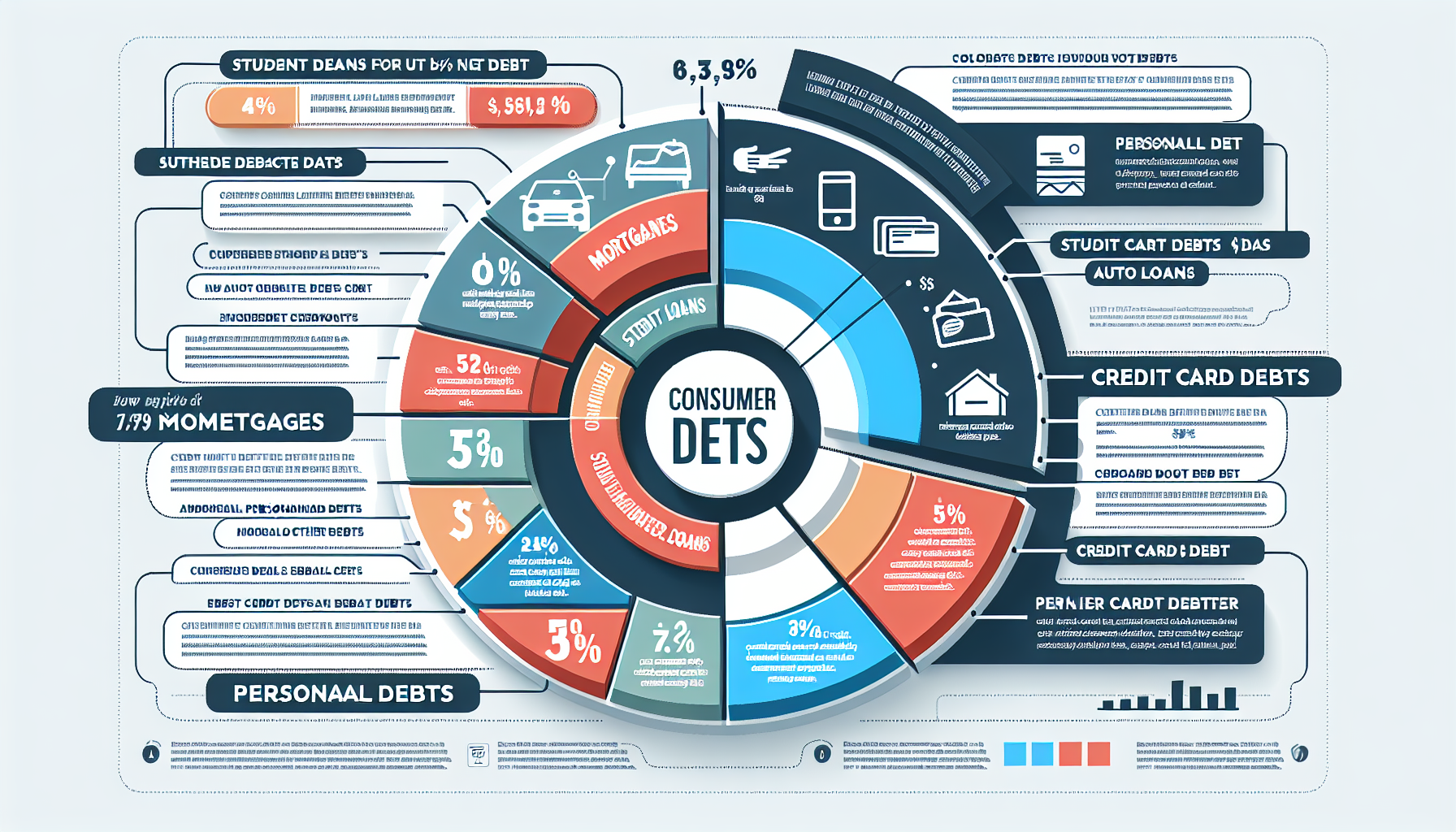
UCB primarily focuses on consumer debts, which include:
- Credit Card Debt
- Medical Bills
- Personal Loans
- Utility Bills
- Telecommunications Debts
2. Expertise in Collection Strategies
Their specialization allows them to tailor their collection strategies specifically for consumer debts, ensuring higher recovery rates and more effective communication with debtors.
Commitment to Ethical Practices
As a recognized entity in the debt collection world, UCB follows the Fair Debt Collection Practices Act (FDCPA), which protects consumers from abusive collection practices. This commitment ensures that interactions with debtors are handled professionally and ethically.
“Understanding who you’re dealing with is crucial when addressing debt issues. Knowing that United Collection Bureau is a legitimate, Ohio-based debt collector can provide peace of mind and a clearer path towards resolution.”
By focusing on consumer debts and maintaining high standards of operation, UCB sets itself apart from many other players in the industry. This focus not only benefits creditors but also provides consumers with transparent and fair interactions during the debt recovery process.
Understanding the background and operations of UCB is essential for effectively managing any communications or obligations you might have with them.
The Debt Collection Process Involving UCB
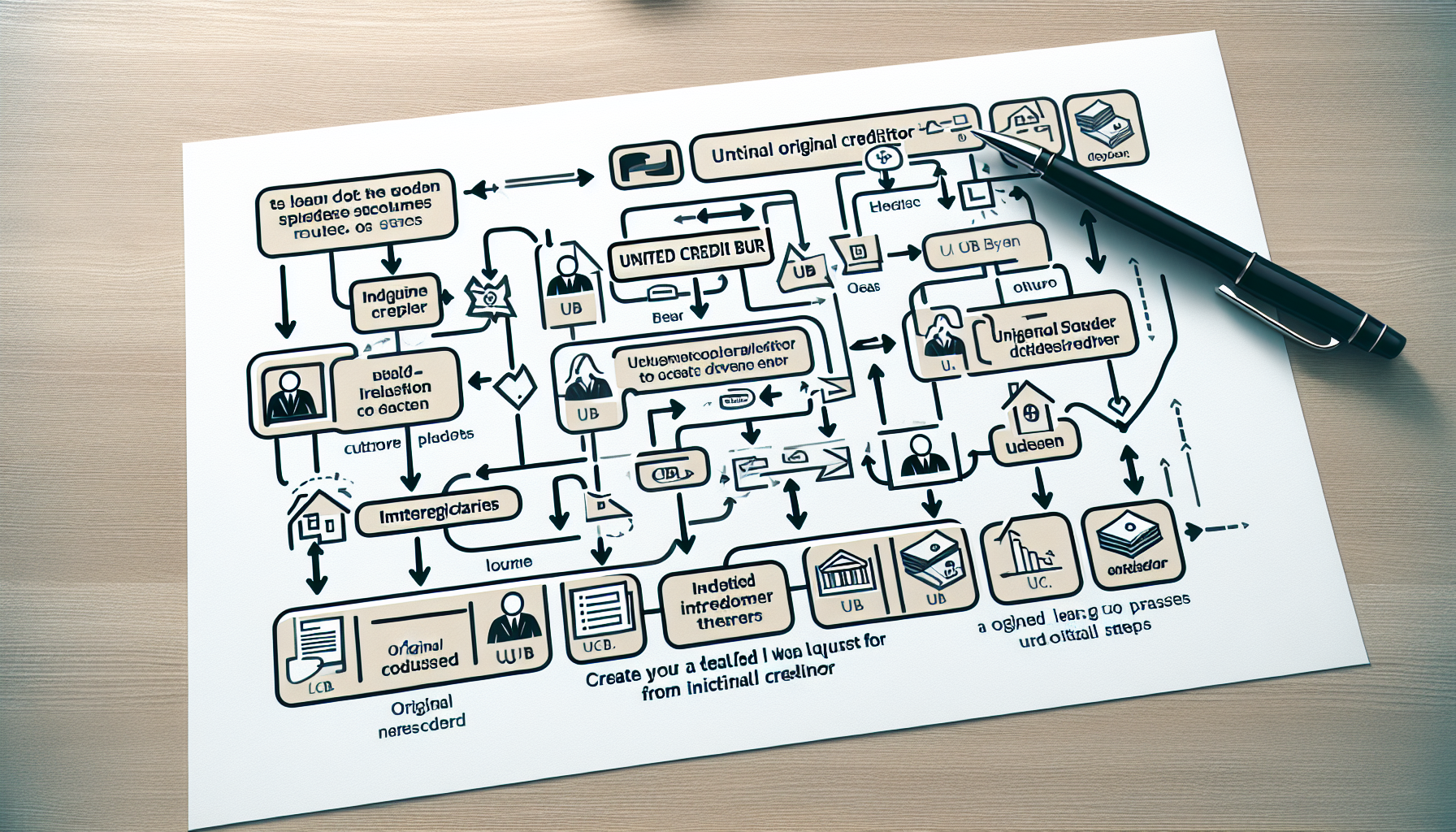
Understanding the debt collection process is crucial for anyone dealing with debts, especially when United Collection Bureau (UCB) becomes involved. When an original creditor fails to collect a debt after multiple attempts, they often choose to sell that debt to a collection agency like UCB.
How Debts Are Sold to UCB
1. Original Creditor’s Role
Initially, the original creditor, such as a credit card company or medical provider, tries to recover the outstanding amount through their internal collections department.
2. Transfer of Debt
If these efforts are unsuccessful and the debt remains unpaid, the original creditor may decide to sell the debt to a third-party collector like UCB. This transfer usually occurs at a fraction of the debt’s face value.
Once UCB purchases the debt, they become the new owner and have the right to collect on it. It’s essential to note that selling debts is a common practice in the financial industry aimed at mitigating losses for original creditors.
UCB’s Role in Debt Recovery Ecosystem
United Collection Bureau plays a significant role in the overall debt recovery ecosystem:
- Debt Collection Efforts: As a specialized agency, UCB employs various methods to recover debts. These may include phone calls, letters, and sometimes legal action if necessary.
- Consumer Interaction: They aim to establish contact with consumers to arrange payment plans, settlements, or other resolutions that would satisfy both parties.
By purchasing and attempting to collect these debts, UCB helps maintain liquidity within financial institutions while providing consumers with opportunities to address their outstanding obligations. Understanding this process can empower individuals facing collections and ensure they navigate interactions with UCB effectively.
Contacting United Collection Bureau for Assistance

When dealing with debt collection, having the correct contact information is crucial. For those needing assistance from United Collection Bureau (UCB), here are the details you’ll need:
- Website: www.ucbinc.com
- Address: United Collection Bureau, Inc., 5620 Southwyck Blvd., Suite 206, Toledo, OH 43614
- Phone Number: Main Office: (800) 866-6228, Customer Service: (800) 867-3104
These contact points offer a direct line of communication to resolve queries, validate debts, or negotiate settlements. Always ensure you verify any correspondence received from UCB through these official channels to avoid falling prey to scams or phishing attempts.
Validating Your Debt with United Collection Bureau

Understanding the importance of validating alleged debts when contacted by United Collection Bureau (UCB) can save you from unnecessary payments and potential scams. Ensuring the accuracy and legitimacy of any debt claim is a crucial step before making any financial commitments.
Steps to Validate Your Debt with UCB
1. Request a Debt Validation/Verification Letter
When UCB contacts you regarding an alleged debt, your first action should be to request a debt validation letter. This letter should provide detailed information about the debt, including:
- The amount owed
- The name of the original creditor
- Documentation proving that UCB has the right to collect the debt
Under federal law, UCB is required to provide this information within five days of their initial contact with you.
2. Examine the Validation Letter Thoroughly
Once you receive the validation letter, scrutinize it for any discrepancies or missing information. Key items to verify include:
- The exact amount claimed
- Dates associated with the debt, such as when it was incurred and when it was last paid
- Proper documentation showing that UCB has been authorized to collect on behalf of the original creditor
3. Dispute Inaccurate Information
If you find any inaccurate information in the validation letter or on your credit report, take immediate steps to dispute it. Here’s how:
- Write a Dispute Letter: Draft a formal dispute letter clearly stating what information is incorrect and why. Include copies of any supporting documentation.
- Send Your Dispute: Mail your dispute letter via certified mail with a return receipt requested. This ensures you have proof that UCB received your correspondence.
- Follow Up: Keep track of your communication and follow up if you do not receive a timely response.
Why Validating Your Debt Matters
Validating your debt serves multiple purposes:
- Protection from Scams: Scammers often impersonate legitimate debt collectors like UCB to trick consumers into paying non-existent debts.
- Accuracy: Mistakes in debt collection can occur, leading you to pay for debts you don’t owe or overpay on actual debts.
- Legal Compliance: Debt collectors are legally obligated to provide accurate information about alleged debts. Ensuring they adhere to these standards protects your rights as a consumer.
Ignoring the validation process can lead to serious consequences, including paying incorrect amounts or falling victim to fraudulent schemes. Therefore, always take steps to confirm the legitimacy of any debt claims made by UCB before proceeding with payments or negotiations.
By following these guidelines, you’ll be better equipped to handle interactions with United Collection Bureau effectively and protect yourself from potential pitfalls in the debt collection process.
Exploring Your Options When Dealing with UCB

Option 1: Disputing the Debt with UCB
Disputing a debt can be a strategic move, particularly if you believe that the debt is inaccurate or not yours. Knowing how and when to dispute a debt with United Collection Bureau (UCB) can impact your financial future.
When to Dispute a Debt:
- Incorrect Information: If the debt amount is wrong or doesn’t belong to you.
- Expired Debt: Debts that have passed the statute of limitations for collections in your state.
- Lack of Documentation: If UCB cannot provide sufficient documentation proving the debt’s validity.
How to Dispute a Debt:
- Request Debt Validation/Verification Letter: When first contacted by UCB, ask for a written validation notice. This notice should include details such as the amount owed, the original creditor’s name, and your rights under the Fair Debt Collection Practices Act (FDCPA).
- Write a Credit Dispute Letter: Formally contest the debt by writing a dispute letter. Include:
- Your personal information.
- A clear statement that you are disputing the debt.
- Reasons for your dispute (e.g., incorrect amount, not your debt).
- A request for verification and supporting documentation. Send this letter via certified mail with a return receipt requested to have proof of your correspondence.
- Monitor Your Credit Report: Check your credit report regularly to ensure that disputed debts are being handled appropriately and removed if proven invalid.
Potential Outcomes of Disputing a Debt:
- Debt Verification: If UCB can verify the debt with adequate documentation, you’ll need to consider other options like negotiating or paying off the debt.
- Debt Removal: Failure by UCB to validate the debt may result in its removal from your credit report and cessation of collection efforts.
- Credit Report Updates: Successful disputes will lead to corrections on your credit report, potentially improving your credit score.
Example Scenarios:
Jane Doe received a letter from UCB about an old credit card debt she didn’t recognize. By disputing it, she found out it was an error due to identity theft, which was then corrected on her credit report.
John Smith noticed an outdated medical bill on his credit report. Upon disputing it, he learned it had surpassed his state’s statute of limitations, leading UCB to cease collection efforts.
Understanding these steps helps you assert your rights and maintain control over your financial health when dealing with UCB.
Option 2: Negotiating a Settlement with UCB
Negotiating a settlement with United Collection Bureau (UCB) can be a practical approach if disputing the debt isn’t a viable option. This process involves reaching an agreement to pay less than the total amount owed to settle the debt. Here’s how negotiation works and what you can expect:
How Negotiation Works
When dealing with UCB, the goal is to negotiate a payment that is lower than your outstanding balance. Debt collectors like UCB often purchase debts at a fraction of their original value, giving them flexibility to accept reduced payments.
- Initiate Contact: Start by contacting UCB and expressing your interest in settling the debt.
- Offer & Counteroffer: Propose a settlement amount. It’s common to start with a lower offer, such as 25% of the original debt, since creditors typically expect negotiations.
- Agreement: Once both parties agree on an amount, ensure you get the settlement terms in writing before making any payment.
Typical Settlement Percentages
Creditors may accept settlements ranging from 40% to 60% of the original debt amount. However, these percentages can vary based on factors such as:
- The age of the debt
- Your financial situation
- The type of debt involved
Common Negotiable Debts
Certain types of past-due debts are more likely to be negotiable:
- Credit Card Debts: Frequently settled for less due to high interest rates and penalties.
- Medical Bills: Hospitals and medical providers often settle for reduced amounts to recover partial payments quickly.
- Personal/Payday Loans: These short-term loans can also be negotiated, especially if they have been outstanding for some time.
Debts like mortgages or car loans are generally not negotiable through collection agencies like UCB, nor are federal student loans due to strict government regulations.
Negotiating a settlement can help reduce your debt burden significantly while avoiding legal actions and additional fees. Always ensure any agreement is documented thoroughly to protect your interests.
Option 3: Ignoring the Debt (Not Recommended)
Ignoring a debt, while an option, is generally not advisable due to the serious consequences it can entail. Let’s delve into why ignoring a debt from United Collection Bureau (UCB) can be detrimental.
Risks Associated with Ignoring Debts
- Legal Actions:
- Debt collectors like UCB may escalate their collection efforts by filing a lawsuit against you.
- If you fail to respond to a summons and complaint, the court may issue a default judgment in favor of UCB.
- A judgment can lead to wage garnishment, bank account levies, or liens on your property.
- Increased Amounts Owed:
- Ignoring a debt doesn’t stop interest and fees from accruing.
- Over time, the amount you owe can grow significantly larger than the original debt due to these additional charges.
- Credit Score Damage:
- Unpaid debts reported by UCB will negatively impact your credit score.
- A lower credit score can hinder your ability to secure loans, mortgages, or even job opportunities.
Ignoring debts might seem like a temporary escape but be aware that:
- Negative information related to unpaid debts can remain on your credit report for up to seven years.
- Persistent non-payment might also damage your relationship with future creditors, making it harder and more expensive to get credit.
Instead of ignoring the debt, consider these alternative options:
- Disputing the Debt: If there are inaccuracies in the alleged debt, you have the right to dispute it with UCB.
- Negotiating a Settlement: Often, UCB is willing to settle debts for less than the full amount owed. Negotiation can be an effective way to resolve your debt without paying the total balance.
Understanding your options when approached by UCB helps ensure you make informed decisions that protect both your financial health and legal standing.
Common Complaints Against United Collection Bureau

Complaints against UCB typically revolve around issues of insufficient documentation and aggressive collection practices. The Better Business Bureau (BBB) has recorded over 200 complaints against UCB, many of which highlight problems related to inadequate proof of debt ownership.
The Consumer Financial Protection Bureau (CFPB) also reports similar grievances. Consumers often indicate that UCB fails to provide necessary documentation that validates the debt, leading to confusion and frustration. Some common complaints include:
- Lack of proper debt validation: Many consumers report receiving collection notices without adequate proof or explanation of the debt.
- Harassment and aggressive tactics: Complaints often mention frequent and persistent calls from UCB representatives, sometimes bordering on harassment.
- Errors in debt amounts: There are instances where consumers claim discrepancies in the amount owed compared to what is stated in UCB’s communications.
Understanding these common issues helps in recognizing potential red flags when dealing with UCB, ensuring you remain vigilant and informed throughout the debt resolution process.
Scams and Phishing Attempts Related to United Collection Bureau

Scammers often impersonate legitimate debt collectors like United Collection Bureau (UCB) to trick consumers into making payments on non-existent debts. Awareness is key in protecting yourself from such fraudulent activities.
To distinguish between genuine UCB communications and scams, consider the following tips:
1. Verify the Communication
- Check Contact Details: Ensure that any communication you receive comes from UCB’s official contact information. Legitimate emails and letters will have consistent branding, official phone numbers, and addresses.
- Caller ID: If you receive a phone call claiming to be from UCB, cross-reference the number with the official contact details listed on their website.
2. Request Written Proof
A legitimate debt collector is required by law to provide written proof of the debt they are attempting to collect. Always request a debt validation letter before making any payments.
3. Look for Red Flags
- High Pressure Tactics: Scammers often use aggressive tactics, demanding immediate payment or threatening legal action. Genuine debt collectors will follow proper legal procedures and allow time for you to validate the debt.
- Payment Methods: Be wary of requests for payment via untraceable methods such as gift cards, wire transfers, or cryptocurrency.
4. Authenticate Digital Communications
- Email Verification: Check if the email address matches UCB’s official domain (e.g., @ucbinc.com). Be cautious of email addresses with slight misspellings or generic domains.
- Phishing Links: Avoid clicking on links in unsolicited emails or messages. Instead, visit UCB’s official website directly through your browser.
By staying vigilant and informed, you can protect yourself from falling victim to scammers using UCB’s name in phishing attempts.
Legal Considerations When Dealing With Debt Collectors Like United Collection Bureau

Understanding your legal rights as a consumer is crucial when dealing with aggressive tactics employed by debt collectors such as United Collection Bureau (UCB). These collectors might resort to various strategies, sometimes bordering on harassment, to recover the owed money.
Your Rights Under Federal and State Laws
- Fair Debt Collection Practices Act (FDCPA): This federal law protects consumers from abusive collection practices. It prohibits debt collectors from using deceptive, unfair, or harassing methods.
- State Laws on Debts: Each state has its own set of regulations governing debt collection. Some states offer more stringent protections than the FDCPA.
What to Do If You Receive a Summons and Complaint
Receiving a summons and complaint from a debt collector can be intimidating. Here are the steps you should consider:
- Do Not Ignore the Summons: Ignoring it can lead to a default judgment against you, meaning the court automatically rules in favor of the collector.
- Respond Promptly: File a written response within the stipulated time frame, often 20-30 days.
- Seek Legal Advice: Consulting with an attorney experienced in consumer law can help you understand your options and potential defenses.
Potential Outcomes of Legal Action
- Settlements: Many cases are settled out of court, often for less than the full amount owed.
- Court Rulings: If the case goes to court and you lose, you could face wage garnishment or liens on your property.
Understanding these legal considerations helps protect your rights and navigate interactions with UCB or any other debt collector more effectively.
The Long-Term Impact Of Negative Information On Credit Reports Due To Collections Matters Like Those Handled By The United Collection Bureau
Negative information duration on credit reports is a crucial factor to consider when dealing with debt collectors such as United Collection Bureau (UCB). Typically, negative entries remain on your credit report for up to seven years from the date of the first missed payment. This prolonged presence can significantly affect your creditworthiness and overall financial health.
Implications for Future Creditworthiness
Negative marks on your credit report due to collections:
- Lower Credit Score: A collection account can drastically reduce your credit score, making it more challenging to obtain new lines of credit.
- Higher Interest Rates: Even if you secure a loan or credit, expect higher interest rates due to perceived risk by lenders.
- Employment Opportunities: Some employers review credit reports as part of their hiring process. Negative information could potentially impact job prospects.
Understanding these implications underscores the importance of addressing debts promptly and accurately. Ensuring that any interaction with UCB is handled professionally can mitigate long-term damage to your financial profile.
Call the Law Office of Richard Kistnen to Discover How Filing Bankruptcy Can Help You Deal with United Collection Bureau
Dealing with debt collectors like United Collection Bureau (UCB) can be overwhelming. The stress and anxiety associated with persistent collection efforts might leave you feeling cornered. At the Law Office of Richard Kistnen, we specialize in consumer bankruptcy law and are dedicated to helping you navigate these challenging times.
Understanding Bankruptcy as a Solution
Filing for bankruptcy can be an effective way to regain control over your financial situation:
- Automatic Stay: Once you file for bankruptcy, an automatic stay is put into place, halting all collection activities, including those from UCB.
- Debt Discharge: Depending on the type of bankruptcy filed, certain debts may be discharged, meaning you are no longer legally required to pay them.
- Structured Repayment Plans: Chapter 13 bankruptcy allows for a structured repayment plan that can make managing your debt more feasible.
Tailored Legal Advice
Every individual’s financial situation is unique. Our office offers tailored legal advice that aligns with your specific circumstances. We provide:
- Comprehensive Assessment: A thorough evaluation of your financial landscape to determine the best course of action.
- Transparent Guidance: Clear explanations about what filing for bankruptcy entails, ensuring you understand every step of the process.
- Support Throughout the Process: From initial consultation to post-bankruptcy recovery, we stand by your side.
Take the First Step Towards Financial Freedom
If UCB’s collection efforts have made daily life stressful, it might be time to consider bankruptcy as a viable option. The Law Office of Richard Kistnen is here to help you reclaim your peace of mind and start anew. Don’t suffer in silence any longer. Start on the road to your financial fresh start by scheduling your complimentary virtual bankruptcy consultation right now and explore how filing for bankruptcy can offer relief from relentless debt collectors.