
Here’s What You Should Know If You Receive a Letter from Wakefield and Associates

Receiving a letter from Wakefield and Associates can be a stressful experience. This debt collection agency specializes in medical debts and often contacts individuals about unpaid medical bills. It’s important to know your rights and options when dealing with debt collectors so you can manage this situation effectively.
When you receive such a letter, it’s essential to take action promptly. Ignoring it won’t make the debt disappear and could lead to more severe consequences like lawsuits or damage to your credit score. Knowing how to handle the initial contact can set the stage for resolving the issue in a way that protects your financial health.
Consulting with a professional can make a significant difference. At the Law Office of Richard Kistnen, we specialize in helping individuals navigate through complex debt issues, including those involving aggressive debt collectors like Wakefield and Associates. Don’t hesitate to reach out if you need guidance on understanding your rights and exploring your options.
Understanding the dynamics of debt collection not only empowers you but also ensures that you are treated fairly throughout the process. Whether it’s disputing an incorrect debt amount or negotiating a settlement, being informed is your best defense against unfair practices.
Who is Wakefield and Associates?

Understanding the entity demanding payment can provide clarity and direction. Wakefield & Associates, founded in 1946, operates out of Aurora, Colorado. Initially established to manage various forms of debt collection, the company has evolved over decades to specialize in collecting past-due medical bills.
Company History
Wakefield & Associates has a long-standing presence in the debt collection industry. Founded over 75 years ago, it has built its reputation on effectively recovering debts for clients across various industries. Headquartered in Aurora, Colorado, the company leverages its extensive experience to offer reliable debt collection services nationwide.
Specialization in Medical Billing
A significant portion of Wakefield & Associates’ operations focuses on medical billing. They work with healthcare providers to collect overdue payments for medical services rendered. This specialization means they have developed robust systems and practices tailored specifically to handling medical debts. Their expertise ranges from simple patient accounts to complex insurance claim recoveries.
Services Offered
Wakefield & Associates provides a range of services designed to streamline the debt collection process:
- Medical Billing Services: They partner with healthcare providers to manage billing operations efficiently. This includes everything from sending invoices to following up on unpaid accounts.
- Debt Collection: Beyond just medical bills, they handle various types of consumer debts, applying their proven strategies to ensure successful collections.
- Online Patient Portal: To improve accessibility and transparency, Wakefield & Associates offers an online portal where patients can view their account status, make payments, and manage their billing information.
These offerings reflect their commitment to modernizing the debt recovery process while maintaining high standards of service.
Understanding who Wakefield & Associates are can demystify the initial shock of receiving a letter from them. Knowing their background and services helps consumers navigate their interactions more effectively.
The Debt Collection Process Explained
When it comes to the debt collection process, Wakefield & Associates is quite methodical in how they pursue past-due medical bills. Understanding this process can help you better navigate your interactions with them.
How Wakefield & Associates Contacts Individuals for Past-Due Medical Debts
Wakefield & Associates typically initiates contact through:
- Letters: The primary method of contact is through formal letters, often referred to as debt collection letters. These letters detail the amount owed, the original creditor, and instructions on how to settle the debt.
- Phone Calls: If letters are unresponsive, phone calls may follow. Collectors might use various tactics during these calls to encourage payment.
- Emails: In some cases, Wakefield & Associates may use emails to communicate about outstanding debts, although this is less common.
What to Expect When Receiving a Debt Collection Letter
Receiving a debt collection letter can be stressful, but knowing what to expect can make it more manageable. Here are some common elements and tactics used by collectors:
- Detailed Information: The letter will include the amount owed, the name of the original creditor (such as a hospital or medical provider), and any interest or fees added to the principal amount.
- Payment Instructions: Clear instructions on how to pay the debt will be provided. This might include payment portals or addresses where checks can be sent.
- Sense of Urgency: Often, these letters create a sense of urgency by setting deadlines for payment or suggesting immediate action is required to avoid further consequences.
- Consequences of Non-Payment: Collectors might highlight potential repercussions of not paying, such as additional fees, negative impacts on credit scores, or even legal action.
- Validation Notice: Under law, within five days of contacting you about a debt, Wakefield & Associates must send a written “validation notice” that includes:
- The amount of the debt
- The name of the creditor
- A statement that unless you dispute the validity of the debt within 30 days after receiving the notice, it will be assumed valid
- Settlement Offers: Sometimes, collectors offer settlement options where you can pay less than the full amount owed if settled promptly.
Understanding these elements can demystify the debt collection process and equip you with knowledge on how to handle such correspondence effectively.
Common Complaints Against Wakefield and Associates
Receiving a debt collection letter from Wakefield & Associates can be a stressful experience, especially when accompanied by numerous consumer complaints. The Better Business Bureau (BBB) has recorded over 900 complaints against Wakefield & Associates in just the past three years. Here are some of the common issues reported by consumers:
1. Incorrect Debt Amounts
Many consumers have reported receiving letters that claim they owe debts in amounts that are incorrect. This could be due to various errors such as miscalculation, outdated records, or even mistaken identity.
2. Improper Threats
Some individuals have experienced aggressive tactics including threats of legal action or wage garnishment without proper validation of the debt. These practices can be intimidating and may violate the Fair Debt Collection Practices Act (FDCPA).
“I received a notice from Wakefield & Associates claiming I owed an amount for a medical bill that was already paid. They threatened legal action if I didn’t pay immediately.” – Anonymous Consumer Complaint
Types of Complaints Received
- Inaccurate Reporting:
- Consumers often find discrepancies between what they allegedly owe and their own records.
- Some reports have indicated debts that were already paid off or never incurred.
- Harassment and Aggressive Tactics:
- Frequent, sometimes daily calls.
- Use of threatening language or intimidation to coerce payment.
- Lack of Proper Documentation:
- Failure to provide adequate proof of the debt upon request.
- Delays in responding to debt validation requests.
- Misleading Information:
- Providing false information about the consequences of non-payment.
- Misrepresenting their authority or the status of the debt.
It is crucial to recognize that these complaints highlight potential FDCPA violations, which are designed to protect consumers from abusive debt collection practices. If you find yourself facing similar issues with Wakefield & Associates, understanding your rights and taking appropriate actions can make a significant difference in managing your situation effectively. For more information on handling such situations, you can refer to these debt collection tools provided by the Consumer Financial Protection Bureau.
Your Rights as a Consumer When Dealing with Debt Collectors
Navigating debt collection can be overwhelming, but knowing your rights under the Fair Debt Collection Practices Act (FDCPA) can empower you. The FDCPA is a federal law that provides significant protections to consumers against abusive and deceptive practices by debt collectors.
Key Provisions of the FDCPA
1. Communication Restrictions:
- Debt collectors are prohibited from calling you before 8 AM or after 9 PM.
- They cannot contact you at work if they know your employer disapproves.
- You have the right to request in writing that a debt collector stop contacting you.
2. Harassment and Abuse Prohibition:
- Debt collectors cannot use threats of violence or harm.
- They cannot use obscene or profane language.
- Repeated phone calls intended to annoy, abuse, or harass are forbidden.
3. Misrepresentation and Deception:
- Collectors must identify themselves and the purpose of their call.
- They cannot falsely claim to be lawyers or government representatives.
- Misrepresenting the amount owed or falsely threatening legal action is illegal.
Steps to Take if There Are Errors in the Debt Amount or Collection Practices
If you believe there is an error in the debt amount or that collection practices are improper, take immediate action:
1. Request Debt Validation:
Within 30 days of receiving a collection letter, send a written request for validation of the debt. This forces the collector to provide proof that you owe the amount claimed.
2. Dispute Incorrect Information:
If the debt is incorrect, dispute it in writing with both the debt collector and credit reporting agencies. Include copies of any evidence supporting your claim.
3. Keep Detailed Records:
Document all communications with debt collectors, including dates, times, and summaries of conversations. Save all letters and emails received and sent.
4. File Complaints:
If a debt collector violates your rights under the FDCPA, file complaints with the Consumer Financial Protection Bureau (CFPB) and your state’s Attorney General’s office.
Understanding these provisions can help protect your rights and ensure fair treatment during the debt collection process. If you’re feeling overwhelmed by debt collection efforts, seeking professional legal advice may provide additional support and options tailored to your situation.
Options Available After Receiving a Debt Collection Letter from Wakefield and Associates

Receiving a debt collection letter can be overwhelming, but knowing your options can ease the process. Here’s how to proceed:
Steps to Validate Your Debt
Validation is crucial before making any payments or decisions. Follow these steps:
- Review the Letter: Ensure it includes vital information such as the amount owed, the creditor’s name, and your rights under the Fair Debt Collection Practices Act (FDCPA).
- Request Verification: Send a written request for debt verification within 30 days of receiving the letter. This compels Wakefield & Associates to provide proof that you owe the debt.
- Check Your Records: Compare the details provided with your records. Verify dates, amounts, and services related to the debt.
- Consult Credit Reports: Obtain your credit reports from major bureaus to see if the debt is listed and if there are discrepancies.
Different Options After Validation
Once validated, you have several routes to consider:
Dispute the Debt
If you find errors or believe the debt is not yours, disputing is crucial:
- Send a Dispute Letter: Clearly state why you believe there is an error and provide any supporting documentation.
- Follow Up: Ensure Wakefield & Associates acknowledges and investigates your dispute. They must cease collection efforts during this process.
For more information on your rights during this process, visit this guide on debt collection rights.
Negotiate Settlement
Should you accept responsibility for the debt but face financial constraints, negotiating a settlement might be beneficial:
- Offer a Lump Sum: Propose paying a reduced amount in one go. Aim for 25-30% of the total debt; expect them to negotiate back.
- Set Up a Payment Plan: If lump sums aren’t feasible, request a payment plan that suits your budget.
Negotiations can significantly reduce what you owe, often settling for 40-60% of the original amount. For more insights into debt settlement strategies, check out this resource.
Key Takeaways
Validating your debt ensures accuracy and prevents mistakes. Depending on the outcome, disputing or negotiating settlement provides pathways to manage or resolve your obligations with Wakefield & Associates effectively.
Consequences of Ignoring Medical Debts

Ignoring medical debts can lead to a variety of adverse outcomes, affecting both your financial stability and personal well-being. Here are some key risks associated with disregarding past-due debts:
Accrual of Interest and Fees
Medical debts, like other unpaid obligations, can accrue interest and additional fees over time. The longer these debts remain unpaid, the larger they grow due to:
- Interest Rates: Debt collectors often add interest to the principal amount owed.
- Late Fees: Continued non-payment can result in late fees being tacked onto the original debt.
- Legal Fees: If the debt progresses to legal action, you may also be responsible for court costs and attorney fees.
Impact on Credit Scores
Your credit score is a crucial aspect of your financial health. Unpaid medical debts reported by Wakefield & Associates can have a negative impact on your credit score. This can affect your ability to:
- Obtain Loans: Lower credit scores make it challenging to secure personal loans, mortgages, or auto loans.
- Secure Housing: Landlords often check credit reports as part of their tenant screening process.
- Employment Opportunities: Some employers review credit histories as part of their hiring process.
Legal Repercussions
Ignoring medical debts doesn’t make them disappear; instead, it opens the door to potential legal actions:
- Lawsuits: If Wakefield & Associates decide to sue for the unpaid debt, you could face court proceedings.
- Judgments: Failing to respond to a lawsuit can result in a default judgment against you.
- Property Levies and Wage Garnishments: A court judgment may lead to wage garnishments or property levies, significantly impacting your financial status.
Long-Term Financial Strain
The accumulation of interest and fees, combined with potential legal costs, can create a long-term financial burden. This strain often leads individuals into deeper debt cycles and makes recovery more challenging.
Ignoring medical debts can lead to severe consequences that extend far beyond the initial amount owed. Being proactive about addressing these debts is essential for maintaining financial health and avoiding legal complications.
Considering Bankruptcy as an Option for Overwhelming Debt
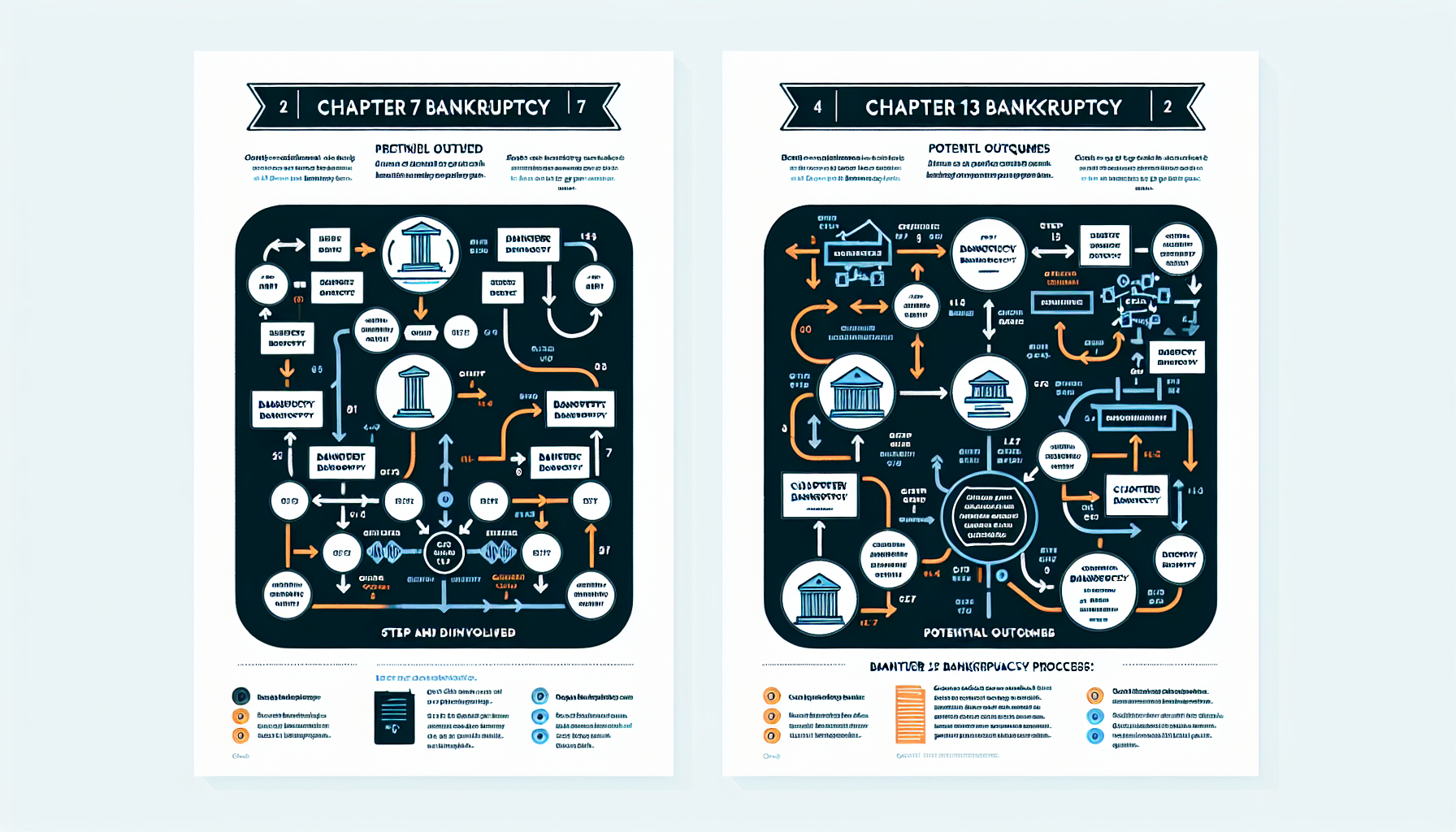
Facing overwhelming debt can be daunting, and sometimes traditional methods of repayment or negotiation aren’t enough. In such cases, bankruptcy could provide a viable solution for achieving financial relief. Understanding the different bankruptcy options available is crucial to making an informed decision.
Chapter 7 Bankruptcy
Chapter 7 bankruptcy, often referred to as “liquidation bankruptcy,” involves the sale of a debtor’s non-exempt assets to pay off creditors. This option is typically suited for individuals with limited income who cannot feasibly repay their debts.
- Eligibility: Means test required to determine eligibility based on income.
- Process:
- Filing a petition with the bankruptcy court.
- Automatic stay goes into effect, halting collections activities.
- Appointment of a trustee to oversee asset liquidation.
- Non-exempt assets are sold to repay creditors.
- Implications on Medical Debts: Most medical debts are unsecured and can be discharged completely, providing substantial relief from past-due bills.
Chapter 13 Bankruptcy
Chapter 13 bankruptcy, known as “reorganization bankruptcy,” allows individuals to keep their assets while repaying debts through a court-approved repayment plan over three to five years. This option is ideal for those with a regular income who wish to retain property like a home or car.
- Eligibility: Must have regular income and debts within specific limits.
- Process:
- Filing a petition and proposing a repayment plan.
- Automatic stay goes into effect, stopping all collection actions.
- Court confirmation of the repayment plan.
- Monthly payments made to the trustee who distributes funds to creditors according to the plan.
- Implications on Medical Debts: Medical debts are included in the repayment plan and may be significantly reduced or fully paid off by the end of the term.
Understanding these bankruptcy options—Chapter 7 vs. Chapter 13—is essential for determining the best path forward when dealing with insurmountable debts, including extensive medical bills. Each option has its own set of benefits and implications, making it vital to consult with a knowledgeable attorney.
Seeking Professional Help with Your Debts

Struggling to keep up with mounting debts, including those from Wakefield and Associates, can feel overwhelming. Professional assistance is often the best route to take when dealing with complex financial situations.
If you are considering filing for bankruptcy or need guidance on how to manage your debts, don’t delay any longer. The Law Office of Richard Kistnen is here to help you navigate these challenging waters and provide a fresh financial start. We understand the stress that debt can cause and are committed to offering a transparent and friendly service.
Contact us today:
- Phone: Call (718) 738-2324
- Consultation: Book your complimentary, no-obligation virtual bankruptcy consultation by clicking here
Taking action now can make a significant difference in your financial future. Reach out to us for expert advice tailored to your unique situation, and let us help you regain control over your finances.