
Can You Get a Mortgage After Bankruptcy?

Many people think that’s it’s impossible to buy a home after filing for bankruptcy, but fortunately that’s not true. There are loan programs designed to help people like you. Bankruptcy impacts your credit, but it also offers a fresh start. With the right approach, you can work towards owning a home again.

Understanding the different types of bankruptcy is important because they affect your home-buying options differently. Whether it’s Chapter 7 or Chapter 13, each has its own eligibility requirements that can influence the loan you can afford. But don’t worry, we’re here to guide you through this process.
Securing a mortgage after bankruptcy might seem daunting, but it’s achievable. Conventional mortgages, along with government-backed options, are within reach. By focusing on rebuilding your credit and meeting specific eligibility requirements, you can embark on the path to homeownership once more.
Understanding Bankruptcy and Its Impact on Home Buying

Filing for bankruptcy has a significant impact on your ability to buy a home. Whether it’s a Chapter 7 or Chapter 13 bankruptcy, lenders typically view your application with caution. However, this doesn’t mean getting approved for a mortgage is impossible. It just means you’ll need to take specific steps to rebuild your credibility.
Lenders look at your bankruptcy on your record and consider it when qualifying for a mortgage. But with the right steps to rebuild your financial standing, including waiting periods tailored for those who have experienced bankruptcy, your dream of owning a home in a rural or suburban area is still achievable. Patience and diligent financial management are your keys to success.
Chapter 7 vs. Chapter 13 Bankruptcy: What’s the Difference?

Chapter 7 bankruptcy involves liquidating your assets to pay off eligible debts, which can include credit card debt, medical bills, and personal loans. This process provides a clean slate, but it also means waiting a while before you can file for a mortgage. On the other hand, Chapter 13 bankruptcy allows you to make monthly payments under a bankruptcy plan approved by a bankruptcy trustee, often making it easier to keep your home and seek loan approval sooner.
The bankruptcy process varies significantly between the two types, affecting how mortgage lenders view your application. For a VA or USDA loan, specific guidelines, like a 620 minimum credit score and certain waiting periods, apply. Fannie Mae and Freddie Mac also have their own mortgage requirements after bankruptcy, focusing on your debt management and ability to make consistent mortgage payments.
How Bankruptcy Affects Your Ability to Secure a Mortgage
Bankruptcy can make securing a mortgage challenging due to higher mortgage rates and stricter eligibility criteria. However, being eligible for a mortgage after bankruptcy is possible with careful planning and financial management.
The Role of Bankruptcy Discharge in Mortgage Approval
After a bankruptcy discharge, lenders will look at how you’ve managed your finances, including making consistent mortgage payments and any car loans. This history is crucial for showing lenders that you’re ready to take on the financial responsibility of a mortgage again.
The discharge proves you have met the terms of your bankruptcy and have worked towards stabilizing your financial situation. Lenders see this as a positive step towards rebuilding your financial health, making it more likely for you to get approved for a new home loan.
Many mortgage banks will not underwrite mortgages to people who have filed bankruptcy within the last 2 years. After speaking with many loan officers, however, many have advised that a bankruptcy filing is not considered in underwriting after 2 years.
Pathways to a Mortgage After Bankruptcy
After personal bankruptcy, there are several pathways to secure a mortgage. Conventional and government-backed options like FHA or VA loans have specific waiting periods but offer a chance for homeownership. With patience and the right strategy, you can find a loan that fits your needs.
The Waiting Game: Required Periods Before You Can Apply

Waiting periods after filing for bankruptcy are essential. They give you time to rebuild your financial standing and prepare for the responsibilities of homeownership.
Chapter 7 Bankruptcy Waiting Periods
For conventional loans, a two-year waiting period is typically required after a Chapter 7 discharge. This time allows you to work on improving your financial situation, paying off debts like medical bills and credit card debt, and saving for a down payment.
During this period, focusing on financial stability by managing personal loans and other financial obligations wisely is crucial. This patience and dedication can significantly improve your chances of securing a mortgage in the future.
Chapter 13 Bankruptcy Waiting Periods
Chapter 13 bankruptcy waiting periods can vary, but understanding these timelines is crucial for planning your path to homeownership. Each step toward rebuilding your credit is a step closer to qualifying for a home loan.
By adhering to your repayment plan and demonstrating financial responsibility, you can navigate the waiting period effectively. This process may seem slow, but it’s an important part of ensuring your financial stability and readiness for a mortgage.
Rebuilding Credit After Bankruptcy

Rebuilding your credit is key to securing a mortgage after bankruptcy. By focusing on paying bills on time and maintaining a reliable income, you can gradually improve your credit score.
Effective Strategies for Credit Improvement
Effective strategies for credit improvement include focusing on paying bills consistently and avoiding missed payments. A stable and reliable income also plays a crucial role in demonstrating your financial responsibility to lenders.
This commitment to financial discipline will not only help improve your credit score but also increase your chances of being approved for a mortgage. It’s a journey that requires patience, but it’s well worth the effort.
The Importance of Monitoring Your Credit Score
Monitoring your credit score is critical, especially after bankruptcy. Keeping an eye on missed payments and maintaining on-time payments are essential practices for improving your score. This vigilance will be beneficial when applying for a mortgage, as lenders closely examine your credit history.
Understanding factors like the utilization rate and the impact of different types of credit, such as car loans and a 30-year mortgage, can help you manage your finances more effectively. Regularly checking your credit score allows you to address any issues promptly, ensuring you’re always on the right path toward homeownership.
Exploring Your Mortgage Options Post-Bankruptcy

Exploring your loan options is crucial for borrowers with a bankruptcy history. Many avenues are still open to you, including conventional loans and government-backed programs.
Conventional Loans After Bankruptcy: Are They Possible?
Yes, conventional loans are possible after bankruptcy. The Federal Reserve sets guidelines that lenders follow, but with time and the right financial management, you can qualify for these loans.
Understanding the requirements and working towards meeting them can make a significant difference in your ability to secure a conventional mortgage. It’s about proving your financial stability and responsibility post-bankruptcy.
FHA Loans: A Gateway to Homeownership Post-Bankruptcy
FHA loans offer a pathway to homeownership with shorter waiting periods compared to conventional loans. These government-backed loans are designed to help you get back on your feet and into a home sooner than you might think.
Understanding FHA Loan Eligibility and Requirements
If you’re looking to secure a home loan after bankruptcy, an FHA loan might be a good fit for you. The Federal Housing Administration (FHA) is more lenient compared to conventional loans, especially if you’ve faced financial hardship. One key requirement is the two-year waiting period after a bankruptcy before you can apply. This waiting period can be a valuable time to improve your credit score and save for a down payment.
Moreover, if you experienced extenuating circumstances that led to your bankruptcy, such as a serious illness or the loss of a job, you might qualify for some flexibility with these requirements. It’s important to document these circumstances thoroughly when applying for an FHA loan. Remember, FHA loans are designed to help people like you get back on the path to homeownership, offering lower down payments and more forgiving credit score requirements.
VA Loans: Benefits for Veterans After Bankruptcy
For veterans looking to buy a home after bankruptcy, VA loans offer significant advantages. Unlike conventional loans, VA loans, backed by the Department of Veterans Affairs, have more flexible waiting periods and do not require a down payment or private mortgage insurance. This can make the process of securing a mortgage much easier for veterans and their families, allowing them to focus on finding the right home without worrying about financial barriers.
Navigating VA Loan Eligibility Post-Bankruptcy
Eligibility for a VA loan after bankruptcy involves understanding the specific waiting periods. Generally, veterans and their families can apply for a VA loan two years after a Chapter 7 bankruptcy discharge. These waiting periods are designed to give you time to rebuild your financial standing. It’s also a good idea to review your credit report and work on improving your credit score during this period.
Comparatively, if you’re considering FHA loans, it’s essential to know that they also offer options for veterans and their families. However, the benefits of a VA loan often outweigh those of an FHA loan for eligible veterans, including the possibility of no down payment and no required private mortgage insurance. As you navigate your post-bankruptcy loan options, it’s important to compare these two loan types to determine which best suits your needs and circumstances.
USDA Loans: An Option for Rural Homebuyers After Bankruptcy
If you’re dreaming of owning a home in the countryside and have faced bankruptcy, a USDA loan might be your ticket to homeownership. Unlike conventional loans, USDA loans are specifically designed to help rural homebuyers. They come with perks like no down payment requirements, making it easier for you to get back on your feet financially. The key is to prove that you’ve recovered from the financial hurdles that led to your bankruptcy.
After bankruptcy, it’s crucial to show that you’re on a stable financial path. USDA loans are more forgiving than conventional mortgages, but you still need to meet their criteria. This includes demonstrating a steady income and managing your finances responsibly post-bankruptcy. With patience and careful planning, a USDA loan can make your dream of rural homeownership a reality, even after financial setbacks.
Applying for a Mortgage After Bankruptcy
Applying for a mortgage after experiencing personal bankruptcy might feel daunting, but it’s not impossible. Whether you’re looking at USDA loans, conventional loans, or government-backed options like FHA or VA loans, the first step is understanding each type’s requirements. Conventional and government-backed loans have different guidelines for borrowers post-bankruptcy, so knowing where you stand can help you choose the right path forward.
Preparing Your Application: Steps to Take

Before diving into the mortgage application process, it’s essential to get your financial ducks in a row. Assessing your financial health and gathering necessary documentation are your first steps to showing lenders you’re ready for a mortgage after bankruptcy.
1. Assess Your Financial Health
After bankruptcy, taking a close look at your finances is crucial. You’ll want to evaluate your income, debts, and expenses to see where you stand. This step is about understanding your capacity to take on a mortgage and ensuring you can manage future payments. It’s also a good time to start saving for a down payment, even if you’re considering loans with low to no down payment requirements.
Reflecting on the circumstances that led to your bankruptcy is also part of assessing your financial health. Understanding what went wrong and learning from those mistakes can help you avoid future financial pitfalls. This self-assessment will not only prepare you for homeownership but also demonstrate to lenders that you’re committed to financial stability.
2. Gather Necessary Documentation
When you’re ready to apply for a mortgage, having all your documentation in order is key. Lenders will want to see proof of your income, tax returns, and information about any debts you owe. They’ll also be interested in the circumstances that led to your bankruptcy, so be prepared to provide documentation or explanations related to that.
Gathering your tax returns for the last two years is especially important. These documents give lenders a clear picture of your financial history and stability. They’ll use this information, along with your current financial status, to assess whether you’re a good candidate for a mortgage. Being organized and thorough with your documentation can significantly streamline the application process.
The Preapproval Process: What to Expect

Getting preapproved for a mortgage is an important step in the home-buying journey, especially post-bankruptcy. During preapproval, lenders will closely examine your financial history, credit score, income, and debts to determine how much they’re willing to lend you. This process gives you a clearer idea of what homes are in your price range and shows sellers you’re a serious buyer.
Expect lenders to be particularly vigilant if you’ve had a bankruptcy. They’ll want to ensure that the financial issues that led to your bankruptcy have been resolved and that you’re now in a stable position. While this scrutiny might seem intense, it’s all part of proving that you’re ready to manage a mortgage responsibly.
Crafting a Compelling Letter of Explanation
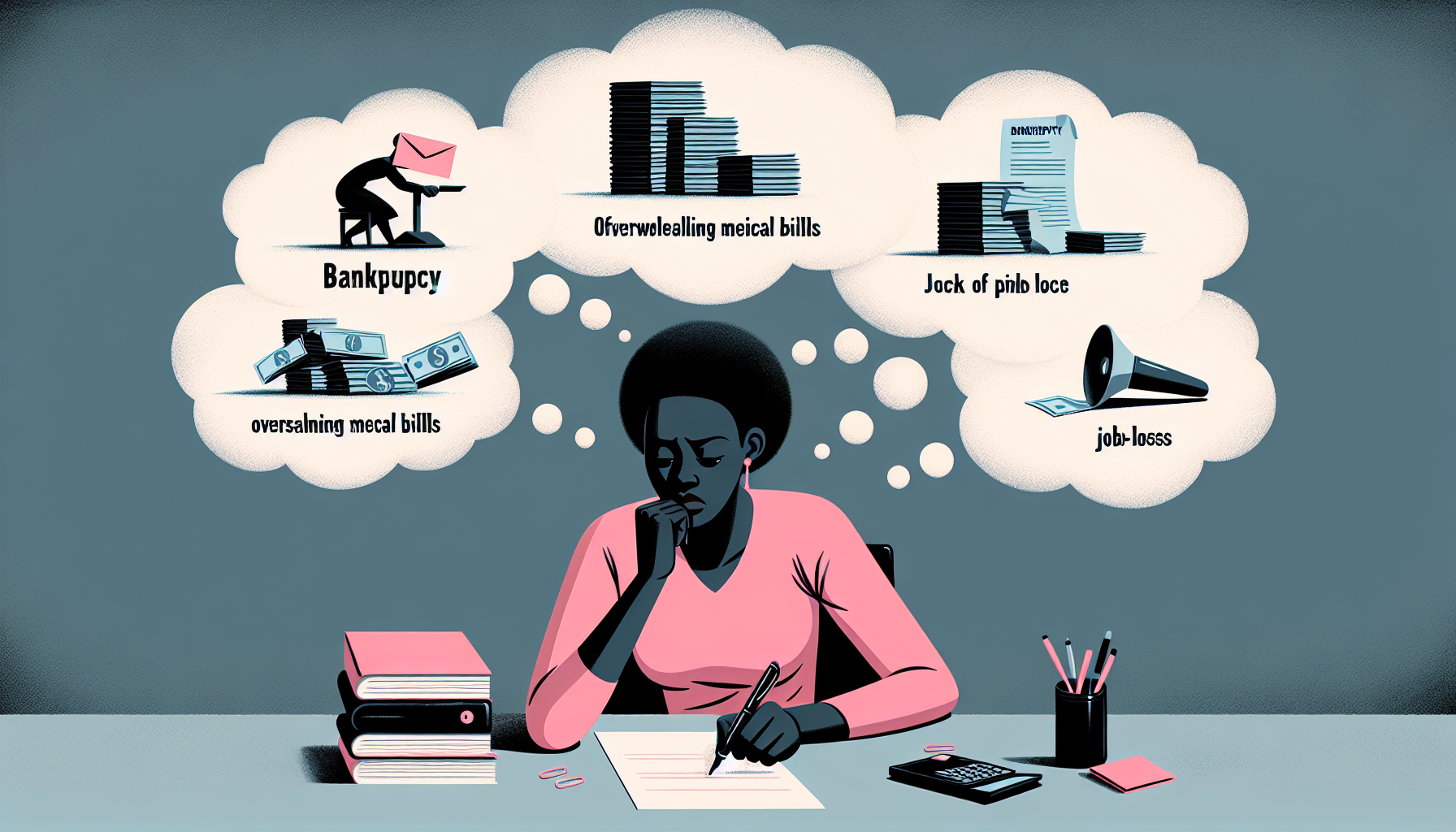
When applying for a mortgage after bankruptcy, a letter of explanation can make a big difference. This letter gives you a chance to tell your side of the story. You’ll explain what led to your bankruptcy and how you’ve worked to improve your financial situation since. It’s your opportunity to show lenders that your bankruptcy doesn’t define your financial future.
Explaining the Circumstances of Your Bankruptcy
Writing about the circumstances that led to your bankruptcy can feel personal, but it’s a crucial step in the mortgage application process. Be honest and detailed about what happened, whether it was due to medical bills, job loss, or other factors. Lenders appreciate transparency and a clear understanding of how you’ve moved past these challenges.
It’s also helpful to outline the steps you’ve taken to improve your financial situation. This might include budgeting, building an emergency fund, or working with credit counseling services. Showing that you’ve taken concrete steps to address your financial issues demonstrates responsibility and a commitment to avoiding future financial problems.
Demonstrating Financial Stability and Responsibility Post-Bankruptcy
After a bankruptcy, lenders want to see evidence of financial stability and responsibility. This means managing your current debts wisely, maintaining steady employment, and saving money where possible. Highlighting a consistent payment history and the growth of an emergency fund in your application can significantly improve your chances of getting approved for a mortgage.
Additionally, engaging with card companies for secured credit cards and demonstrating responsible use can help rebuild your credit. These actions show lenders that you’re committed to financial health and that your bankruptcy filings were a setback, not a permanent state. By presenting a strong case for your financial stability, you’ll make a compelling argument for why you deserve a mortgage loan after bankruptcy.
Avoiding Potential Pitfalls in the Mortgage Application Process

Securing a mortgage after bankruptcy requires careful planning. One key to success is understanding how mortgage rates can impact your loan. Rates can fluctuate, affecting your monthly payments and overall cost. To avoid surprises, research current rates and get pre-approved. This step not only gives you an idea of what you can afford but also shows sellers you’re a serious buyer.
Another pitfall is overlooking the impact of your credit score on your mortgage options. Post-bankruptcy, it’s crucial to rebuild your credit wisely. Utilize tools like secured credit cards and ensure all bills are paid on time. This effort will gradually improve your score, opening up better mortgage rates and terms. Remember, patience and diligence in rebuilding your credit can significantly enhance your mortgage prospects.
The Journey to Homeownership: Next Steps After Approval
After your mortgage approval, it’s time to partner with estate agents who understand your unique situation. They can help you find a home that meets your needs and fits within your budget. Estate agents can also guide you through the buying process, from making an offer to negotiating terms. Their expertise is invaluable in navigating the market post-bankruptcy.
Once you’ve found the perfect home, prepare for the mortgage payments. These payments are more than just repaying the loan; they also include interest, taxes, and insurance. To manage these costs effectively, create a budget that accounts for your mortgage and other living expenses. Staying on top of your payments is crucial for maintaining your financial health and building equity in your home.
Closing on Your Home: What to Expect

Closing on your home is the final step in the home-buying process. This stage involves paying closing costs, which can include lender fees, title insurance, and appraisal fees. Understanding these costs ahead of time can prevent any surprises. Your estate agent and lender will provide a closing disclosure document outlining these expenses, so review it carefully and ask questions if anything is unclear.
During the closing, you’ll also sign a lot of paperwork, including your mortgage agreement. It’s important to read these documents thoroughly before signing. After all is signed and the closing costs are paid, you’ll receive the keys to your new home. Congratulations, you’ve successfully navigated the journey to homeownership after bankruptcy!
Maintaining Financial Health After Securing Your Mortgage

After securing your mortgage, maintaining financial health is key. A mortgage calculator can be an invaluable tool for managing your budget. It helps you understand how much you’ll be paying each month and how those payments break down between principal, interest, and escrow. Regular use of a mortgage calculator can also show you how additional payments could shorten your loan term and reduce interest paid over time.
It’s also important to continue monitoring your credit score and manage your finances wisely. Avoid taking on too much additional debt and keep saving for emergencies. Staying committed to financial health not only ensures you keep your home but also improves your overall financial situation in the long run.
Conclusion: Embracing a Brighter Financial Future
Securing a mortgage after bankruptcy may seem daunting, but it opens the door to a brighter financial future. By understanding the process, carefully planning, and staying diligent with your finances, you can achieve the dream of homeownership. Remember, bankruptcy is not the end but a fresh start towards building equity and financial security in your new home.
As you move forward, keep focused on your financial goals. Regularly review your budget, make timely mortgage payments, and continue to build your credit. These steps will not only secure your current investment but also pave the way for future financial opportunities. Homeownership is a significant milestone on the road to recovery, and with the right approach, it’s within your reach.
Moving Forward: Building Equity and Financial Security in Your New Home

Building equity in your home starts with regular mortgage payments. Each payment not only reduces your loan balance but also increases your ownership stake. Over time, as your equity grows, your home can become a valuable asset for future financial needs or investments. Additionally, maintaining your home and making strategic improvements can further increase its value and your equity.
Financial security in your new home also means being prepared for the unexpected. Establish an emergency fund to cover unforeseen expenses or potential repairs. This proactive approach not only protects your investment but also provides peace of mind as you enjoy your new home. Remember, building equity and securing financial stability starts with making informed decisions and sticking to your financial plan.
The Road to Recovery: Bankruptcy Is Not the End of Homeownership Dreams

Filing for bankruptcy can feel like a setback, but it’s actually a step towards reclaiming your financial freedom. Whether you’re navigating Chapter 7 or Chapter 13 bankruptcies, there’s a path to homeownership ahead. The key is to understand the process, rebuild your credit wisely, and stay informed about your mortgage options.
If you’re struggling to keep up with your debts and considering bankruptcy, don’t delay seeking help. Contact the Law Office of Richard Kistnen at (718) 738-2324 or book your complimentary, no-obligation virtual bankruptcy consultation by clicking the link. Our team is dedicated to helping you achieve a financial fresh start and making your dream of homeownership a reality. Let’s embark on this journey together towards a brighter financial future.