
What’s Enterprise Recovery? Understand How It Works and Your Rights

What’s Enterprise Recovery? Definition and How It Affects You
If you just opened a letter from Enterprise Recovery Systems, you might be wondering what it means and what’s enterprise recovery in the first place.
At a high level:
- Enterprise recovery (B2B) is the process large companies use to collect overdue payments from other businesses.
- Consumer debt collection (B2C) is what you’re dealing with when a company like Enterprise Recovery Systems (now operating as Alltran Education, Inc.) contacts you about a student loan or other personal debt.
Both fall under the broad idea of enterprise recovery, but they work very differently depending on whether the debtor is a business or a consumer like you.
B2B Enterprise Recovery vs. B2C Collection Agencies
Understanding what’s enterprise recovery in a business context helps you see how your situation fits:
- B2B Enterprise Recovery (Enterprise Recovery LLC, commercial agencies)
- Focus: Overdue invoices between businesses.
- Debtors: Companies, corporate clients, vendors, or other enterprises.
- Goal: Protect cash flow while keeping business relationships intact.
- Process: Contract review, negotiations between finance/legal departments, and, at times, international rules.
- B2C Debt Collection (Enterprise Recovery Systems, Inc., and similar agencies)
- Focus: Consumer debts such as student loans, credit cards, or personal loans.
- Debtors: Individuals like you.
- Goal: Collect on defaulted accounts within consumer-protection laws.
- Process: Collection letters, phone calls, credit reporting, and, in some cases, lawsuits.
When you get a collection letter from Enterprise Recovery Systems, you’re on the consumer side of what’s often called enterprise recovery. That means you have specific rights and protections that B2B debtors usually do not have, and you can use those rights to defend yourself and work toward a financial fresh start.
Understanding Enterprise Recovery Systems (ERS)


Enterprise Recovery Systems (ERS) is a debt collection agency that has focused heavily on collecting student loan debt. Founded in 1988 and now operating under the name Alltran Education, Inc., ERS has worked with colleges, universities, and lenders to collect defaulted student loans and related education debts, similar to the recovery frameworks studied in research on multistate models for the analysis of financial recovery patterns.
When you receive a letter from ERS, it usually means:
- Your student loan is in default or seriously past due.
- The original creditor has assigned or sold the debt to ERS.
- ERS is attempting to collect under the rules that apply to consumer debt, including the FDCPA and FCRA.
Understanding what’s enterprise recovery in this context helps you respond calmly and strategically instead of reacting out of fear.
The Role of ERS in Debt Recovery
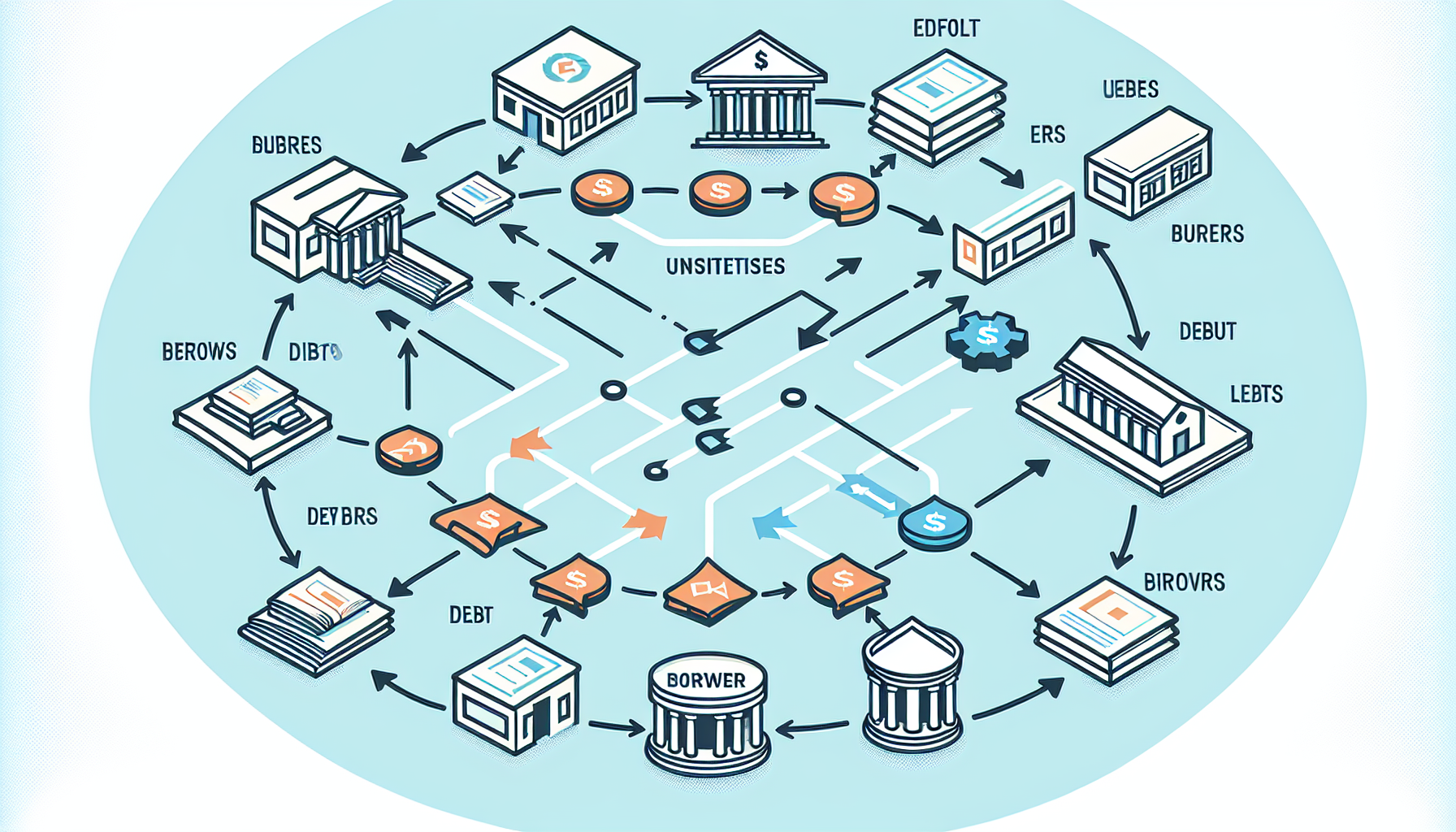
Debt collection agencies like ERS act as intermediaries between the lender and you, employing systematic approaches similar to those examined in studies of enterprise recovery following natural disruptions to financial systems. Their role in enterprise recovery on the consumer side includes:
- Debt Recovery
- ERS is hired by schools, private lenders, and guaranty agencies to collect defaulted student loans.
- They may collect on federal student loans, private student loans, or institutional debts owed directly to a school.
- Communication
- They contact you by letters, phone calls, texts, and email to push for payment.
- They may suggest repayment plans, settlements, or rehabilitation options (for certain federal loans).
- Compliance
- ERS must follow federal and state consumer-protection laws.
- Their conduct is regulated more strictly than typical B2B enterprise recovery, because you are an individual consumer.
When you understand their role in what’s enterprise recovery, you can separate facts from pressure tactics and stay in control of the conversation.
Key Regulations Governing ERS
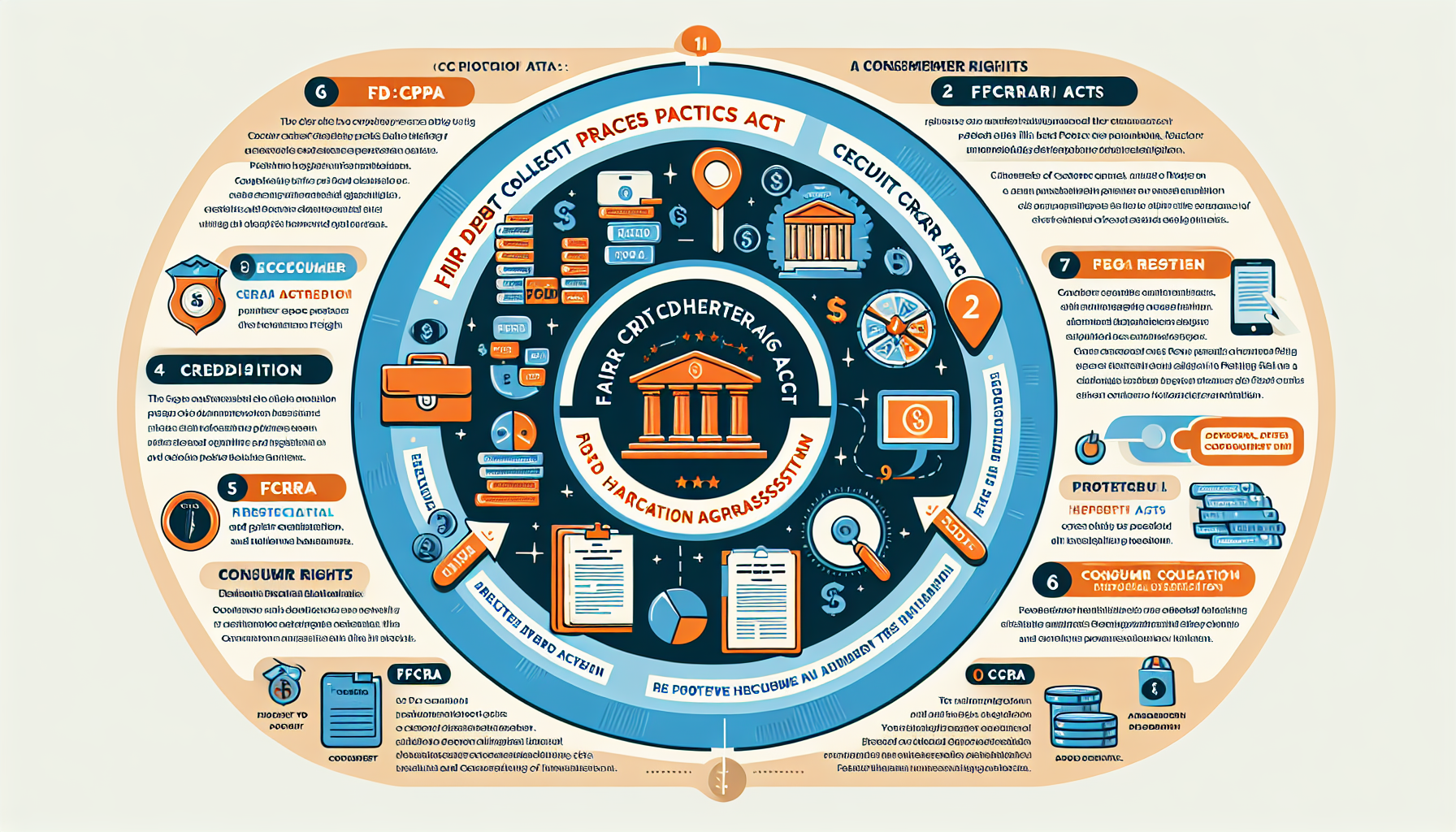
Two major federal laws frame how ERS and other collection agencies must operate:
- Fair Debt Collection Practices Act (FDCPA)
The FDCPA regulates how consumer debt collectors behave. Among other things, it:- Bans abusive, deceptive, or unfair collection practices.
- Requires debt collectors to validate the debt if you request it.
- Limits when and how they can contact you (for example, not at unreasonable hours).
- Fair Credit Reporting Act (FCRA)
The FCRA governs how debts appear on your credit reports:- Regulates how information about debts is reported to credit bureaus.
- Requires accuracy and completeness of reported information.
- Gives you the right to dispute false or incomplete information.
Knowing what’s enterprise recovery under these rules gives you real bargaining power in a lawful way: you can demand proof, correct errors on your credit, and push back against harassment.
If you’re overwhelmed or facing aggressive behavior, talking with a consumer-protection attorney can give you a clear plan that fits your situation.
Common Practices by Debt Collectors


Debt collectors, including Enterprise Recovery Systems, often follow scripted tactics to get you to pay quickly. Understanding these behaviors—another key part of what’s enterprise recovery in the real world—helps you spot when something crosses the line.
Aggressive Communication Strategies
Collectors often use pressure to get immediate payment:
- Frequent Phone Calls
- Repeated calls throughout the day.
- Calls early in the morning or late at night if they think you’ll answer.
- Threatening Language
- Vague talk about lawsuits, wage garnishment, or liens.
- Statements designed to scare you, even if legal action is not planned.
- False or Exaggerated Claims
- Misstating how much you owe.
- Suggesting they have more power than they really do (for example, implying they work for the government).
You do not have to accept aggressive behavior, even if you legitimately owe a debt. The FDCPA sets limits, and you can enforce those limits.
Misleading Representations
Some collectors cross into deceptive territory, which is illegal:
- Inflating the Balance
- Adding unauthorized fees, interest, or “collection costs.”
- Charging amounts not allowed by your contract or state law.
- Impersonating Officials
- Acting as if they are lawyers, court officials, or law enforcement.
- Sending documents that look like court papers when they are not.
- Fake Deadlines
- Claiming you must pay by “today” or “within 24 hours” when that isn’t actually required.
Any of these tactics can be signs that ERS or another agency is violating consumer-protection laws while engaging in what’s labeled as enterprise recovery.
Automated Dialing Systems (Robocalls)
Collectors often use automated dialing systems or robocalls to contact many people quickly:
- Consent Requirements
- Under the Telephone Consumer Protection Act (TCPA), they generally need your prior express consent to call your cell phone using an autodialer or prerecorded message.
- Opt-Out Options
- You should have an easy way to say, “Stop calling me this way.”
- Ignoring your opt-out can count as a TCPA violation.
If you’re getting bombarded with calls, write down the dates, times, and numbers. That record can be powerful evidence if you later bring a claim.
Your Rights as a Consumer Against Unfair Debt Collection Practices
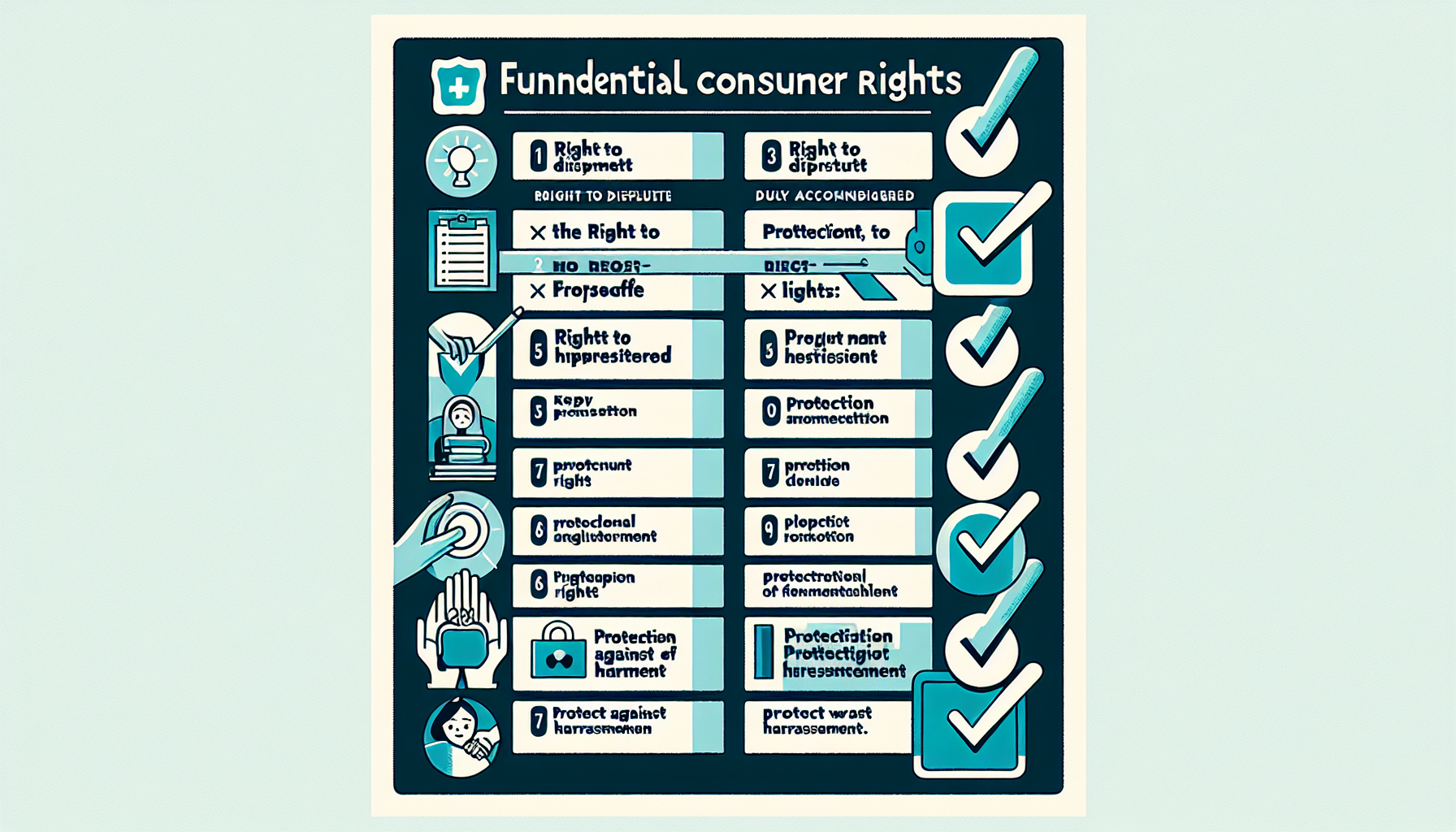
When you’re dealing with ERS or any agency involved in what’s enterprise recovery for consumer debts, your rights are your strongest tool. Understanding them turns a stressful situation into one you can manage.
Signs of Abusive or Misleading Collection Attempts
Watch for these warning signs:
- Excessive Communication: Multiple calls per day or calls at times you’ve told them are inconvenient.
- Threatening Language: Profanity, insults, or threats that feel more like bullying than business.
- False Claims: Threats of arrest, jail time, or lawsuits that clearly don’t match what’s in the letter.
- Misrepresentation: Pretending to be an attorney, court officer, or government agency.
- Unauthorized Charges: Demanding more than your agreement or the law allows.
If you see these, you may be dealing with illegal conduct hiding behind the label of enterprise recovery.
Recognizing Violations of Your Rights
The Fair Debt Collection Practices Act (FDCPA) and Fair Credit Reporting Act (FCRA) lay out clear rules. Possible violations include:
- Harassment
- Calling you at work after you’ve said your employer doesn’t allow it.
- Contacting your friends, family, or coworkers to discuss your debt (other than a limited one-time effort to find your location).
- Deceptive Practices
- Sending fake “legal” documents that aren’t actually from a court.
- Claiming nonpayment will lead to jail, when consumer debt is not a criminal matter.
- Improper Disclosure
- Refusing to provide written validation of the debt after you ask in writing.
- Failing to inform you of your right to dispute the debt within 30 days of the initial notice.
- Credit Reporting Issues
- Reporting information that’s wrong, incomplete, or mixed with another person’s file.
- Not updating your credit report after a debt is settled, paid, or dismissed.
Protecting Yourself

Being proactive makes a huge difference:
- Document Everything
- Save letters, emails, call logs, and voicemails.
- Note dates, times, and the name (or ID) of anyone who calls you.
- Communicate in Writing
- Send dispute letters and requests for validation by certified mail, return receipt requested.
- Keep copies of everything you send.
- Know Your Legal Tools
- State and federal consumer protection laws give you the right to sue collectors who violate the law.
- A consumer-protection attorney can help you decide whether to push back, negotiate, or consider bankruptcy for a full reset.
“You don’t have to pay a debt you don’t owe, and you don’t have to put up with harassing calls.” — Consumer Financial Protection Bureau
Recognizing problems early lets you address them before they damage your credit, your peace of mind, or your long-term financial plans.
What To Do If You Receive a Collection Letter From ERS

Getting a collection letter from Enterprise Recovery Systems is unsettling, but you have more power than you think. Here’s how to respond in a way that protects your rights and strengthens your position.
Disputing the Debt With ERS
If you believe the debt is wrong—or you simply want to be sure—disputing the debt is a smart first step. This is built into how what’s enterprise recovery is supposed to work for consumers.
- Act Quickly
- You usually have 30 days from receiving the first written notice to dispute the debt.
- If you don’t dispute within that window, ERS can assume the debt is valid for collection purposes.
- Write a Clear Dispute Letter
Include:- Your full name and mailing address.
- Any account number or reference number on the letter.
- A simple statement like:
> “I dispute this debt in its entirety and request full validation under the FDCPA.” - A request for:
- The exact amount of the debt.
- The name and address of the original creditor.
- Proof that ERS (or Alltran Education, Inc.) has authority to collect.
- A copy of any judgment, if they claim one exists.
- Send It by Certified Mail
- Use certified mail with return receipt so you can prove:
- What you sent, and
- When they received it.
- Keep the green card and a copy of your letter with your records.
- Use certified mail with return receipt so you can prove:
Once you dispute, ERS must stop collection activity until they mail you verification. If they keep calling or demanding payment without validating the debt, that may be an FDCPA violation.
Responding to Collection Letters Strategically

Even if you don’t dispute the debt, be deliberate about how you respond:
- Review Every Notice Carefully
- Confirm the name of the creditor, the amount claimed, and important dates.
- Compare the information in the letter with your own records.
- Don’t Rush to Pay
- Paying—even a small amount—can sometimes restart the statute of limitations in some states.
- Make sure the debt is:
- Actually yours,
- Still legally collectible in your state, and
- Reported accurately on your credit.
- Keep a Paper Trail
- Save envelopes, letters, emails, and any notes you take from phone calls.
- If your case escalates, your file becomes evidence.
Handled correctly, a single letter from ERS can be the start of resolving your debt on your terms, not a slide into panic.
When To Seek Legal Assistance for Debt Settlement

Debt situations can get complicated fast—especially if you’re juggling multiple accounts, threats of lawsuits, or a possible bankruptcy filing. That’s when bringing in a lawyer can make sense.
Steps to Take When You Receive a Letter From ERS
- Verify the Legitimacy of the Debt
- Ask for documentation showing the debt belongs to you and that ERS has the right to collect it.
- The Fair Debt Collection Practices Act requires them to provide this upon request.
- Clarify Any Discrepancies
- If amounts don’t match your records, say so in writing.
- Keep copies of any explanations or corrections they send you.
- Evaluate Your Overall Finances
- Look at your entire debt picture, not just this account.
- If repayment is unrealistic, consider alternatives such as debt consolidation or settlement or bankruptcy.
When to Consider Hiring a Lawyer
You may want a consumer-protection or bankruptcy attorney if:
- You’re being sued or threatened with a lawsuit by ERS.
- You believe ERS is violating the FDCPA or FCRA.
- You have multiple debts and need a strategy that covers everything.
- You’re considering Chapter 7 or Chapter 13 bankruptcy as a way to reset.
A lawyer can:
- Negotiate better settlement terms with ERS.
- File lawsuits for illegal conduct.
- Advise you whether paying, settling, or discharging the debt in bankruptcy makes the most sense.
Understanding your debt collection rights gives you confidence in any negotiation, including settlement discussions.
Finding a Lawyer for Debt Settlement or Bankruptcy
To find the right help:
- Look for attorneys focused on consumer protection, debt collection defense, or bankruptcy.
- Check reviews and results in cases involving debt collectors and student loans.
- Schedule consultations to discuss:
- Your debts,
- Your income and assets, and
- Whether settlement, litigation, or bankruptcy is your best path forward.
Filing Complaints Against ERS: A Step Toward Accountability
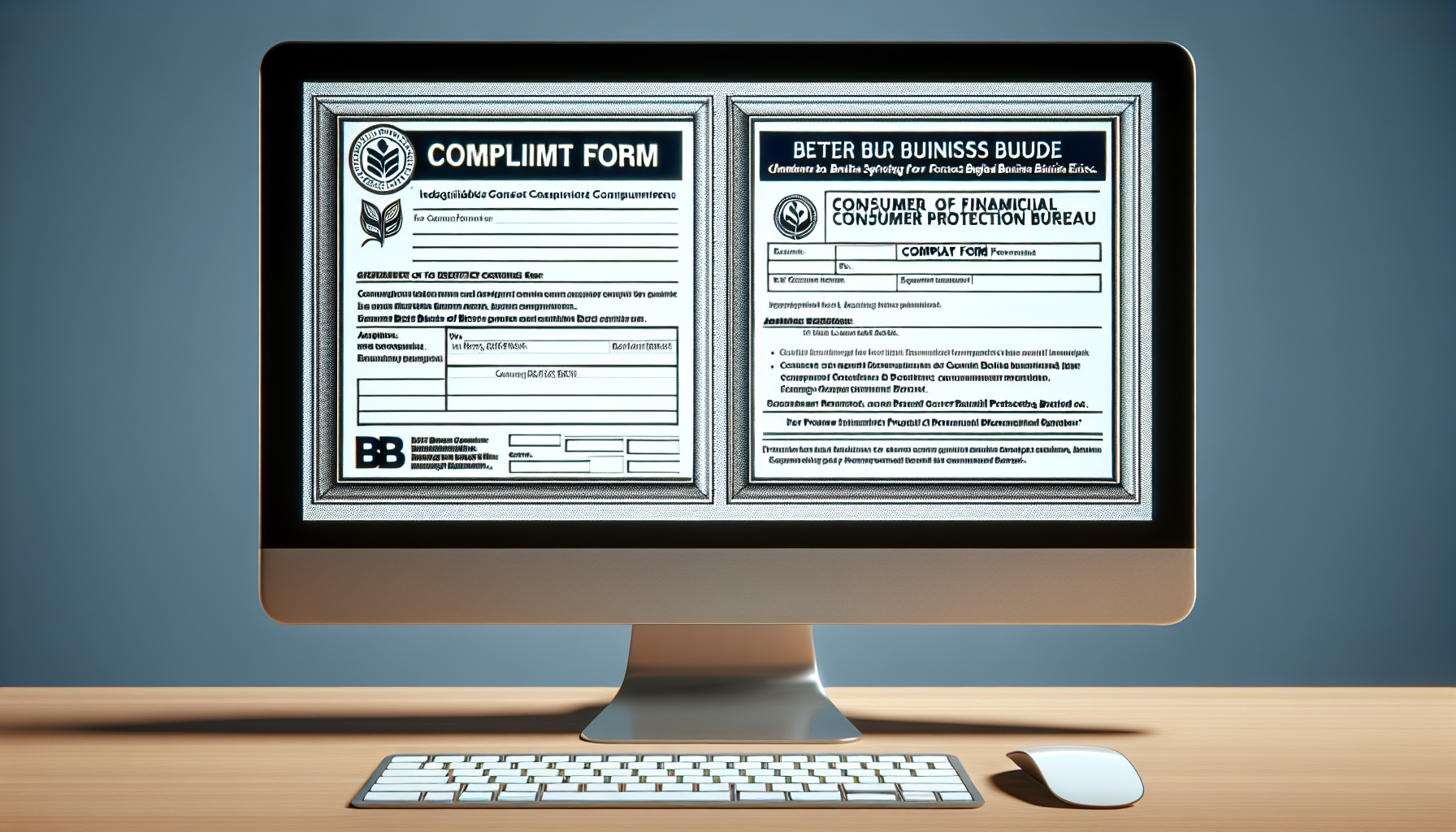
If ERS is ignoring your rights or pushing the limits of what’s enterprise recovery under consumer law, filing a complaint can protect both you and others.
Responding to Collection Letters Before You Complain
Before you file a complaint:
- Verify the Debt
- Confirm that the account and balance look familiar.
- Make sure they’re not mistaking you for someone else.
- Request Validation
- Under the Fair Debt Collection Practices Act (FDCPA), you have 30 days from the first notice to ask for validation.
- They must then provide proof before continuing collection.
- Seek Clarification
- Ask them to explain any fees, interest, or discrepancies.
- Document everything—this becomes part of your evidence.
Where and How To File Complaints
If ERS still behaves unfairly or illegally, you can report them to:
- Better Business Bureau (BBB)
- Search for Enterprise Recovery Systems or Alltran Education, Inc.
- Submit a complaint describing what happened and include copies of letters if possible.
- Consumer Financial Protection Bureau (CFPB)
- Use the CFPB’s online complaint portal.
- Explain your issue, list the dates of contact, and upload any documentation.
- Your State Attorney General’s Office
- Most state AGs have online forms for reporting unfair collection practices.
- Check your state’s website for specific instructions.
Filing complaints helps regulators track patterns of abuse and encourages agencies to clean up their practices.
Credit Reporting and Impact on Financial Health: Understanding Your Rights Under FCRA


How Debts Collected by ERS Can Affect Your Credit and Overall Financial Well-Being
When ERS reports a collection account, it can change your financial life overnight. This is where what’s enterprise recovery intersects with your credit profile:
- Lower Credit Scores
- Collection accounts can significantly reduce your score.
- Future lenders may see you as higher risk.
- Harder To Get New Credit
- You may face:
- Loan denials,
- Lower credit limits, or
- Much higher interest rates.
- You may face:
- Job and Housing Issues
- Some employers and landlords look at credit reports.
- Negative marks can make it harder to get the job or apartment you want.
- Insurance Costs
- In some states, insurers may factor your credit history into premiums.
Knowing your rights under the FCRA helps you correct inaccurate reporting and push back when ERS mishandles your information.
“The accuracy of your credit report can affect whether you get a loan, a job, or even an apartment.” — Federal Trade Commission
Steps to Protect Your Credit While Managing ERS Debts
You can still protect—and eventually rebuild—your credit even while dealing with collections:
- Review Your Credit Reports Regularly
- Get free reports from Experian, Equifax, and TransUnion at least once per year through AnnualCreditReport.com.
- Check each report for:
- ERS entries,
- Duplicate accounts, and
- Incorrect balances or dates.
- Dispute Inaccurate Information
- If you see wrong or incomplete information, dispute it in writing with each bureau reporting the error.
- Include:
- A clear explanation,
- Copies of statements, settlement letters, or court orders, and
- A copy of your ID and proof of address.
- Keep Other Accounts in Good Standing
- Make on-time payments on current credit cards, car loans, and other bills.
- Even with a collection, consistent on-time payments help your score recover over time.
- Negotiate Repayment or Settlement
- You can call or write ERS to discuss:
- A payment plan you can realistically afford, or
- A lump-sum settlement for less than the full balance.
- Always get any agreement in writing before sending money.
- You can call or write ERS to discuss:
- Consider “Pay-For-Delete” (With Caution)
- Sometimes, collectors agree to delete a tradeline if you pay or settle.
- If ERS offers this, insist on a written agreement spelling out:
- The amount,
- The deadline, and
- The specific promise to delete the account from the credit bureaus.
- Get Professional Advice When Needed
- A consumer-protection or bankruptcy attorney can:
- Review your credit reports,
- Help you dispute errors, and
- Advise whether settlement, litigation, or bankruptcy makes the most sense.
- A consumer-protection or bankruptcy attorney can:
Managing your credit is a long game. The choices you make now—how you respond to ERS, how you handle your other accounts—will shape your access to credit for years.
Step-by-Step Credit Report Removal After an ERS Collection
If ERS is reporting a collection and it’s wrong, outdated, or doesn’t belong to you, you may be able to have it corrected or removed. This is another way understanding what’s enterprise recovery helps you turn the system to your advantage.
Step 1: Gather Your Documents
Before you dispute, organize:
- A recent copy of your credit reports from all three bureaus.
- Every letter you’ve received from ERS or the original creditor.
- Proof of payments (bank statements, receipts, online confirmations).
- Any settlement agreements or payoff letters.
- Court documents, if there was a lawsuit or judgment.
- Your ID (driver’s license, state ID) and proof of address (utility bill, bank statement).
Step 2: Dispute With the Credit Bureaus (FCRA §611 Dispute)
Send a written dispute to each credit bureau reporting the ERS account. Include:
- Your full name, date of birth, and address.
- A copy of your ID and proof of address.
- A specific statement, such as:
> “I am disputing the Enterprise Recovery Systems collection account because it is inaccurate or incomplete. Please investigate and remove or correct this item under the FCRA.”
Attach copies (not originals) of your supporting documents. Mail by certified mail, return receipt requested.
Step 3: Dispute With the Furnisher (ERS or the Original Creditor)
You can also send a dispute directly to ERS or the company that placed the debt with them. This is often called a “623 dispute” (after FCRA §623).
Your letter should:
- Clearly identify the account you’re disputing.
- Explain exactly what’s wrong (wrong balance, wrong dates, not your account, already paid, etc.).
- Include copies of your supporting documentation.
Again, send by certified mail and keep copies of everything.
Step 4: Wait for the Investigation
- Credit bureaus typically have 30 days to investigate.
- They may:
- Verify the information and keep it,
- Correct the entry, or
- Delete it entirely if it can’t be verified.
You’ll get a written result after the investigation. If the ERS tradeline is deleted, your credit reports should update accordingly.
Step 5: Follow Up and Escalate If Needed
If the bureaus or ERS:
- Ignore your dispute,
- Keep reporting clearly wrong information, or
- Refuse to correct obvious errors,
You may have claims under the FCRA and FDCPA. At that point, speaking with a consumer-protection attorney can help you decide whether to:
- Send a final demand letter,
- File complaints with the CFPB and your state AG, or
- Sue for damages.
Enterprise Recovery Companies Compared: Enterprise Recovery LLC vs. Enterprise Recovery Systems, Inc.
Many people search what’s enterprise recovery and find references to Enterprise Recovery LLC and Enterprise Recovery Systems, Inc. They sound similar but operate in different parts of the debt world.
Below is a general comparison. Exact addresses and phone numbers can change, so always confirm the details printed on your letter or the company’s official website.
| Company | Primary Focus | Typical Debtor Type | General Location (City/State) | How You Usually Interact | Notes |
|---|---|---|---|---|---|
| Enterprise Recovery LLC | Business-to-business enterprise recovery and commercial collections | Businesses (B2B) | Commonly associated with offices in New York State | Email, phone calls, and online portals between companies | Works mainly with companies trying to collect from other companies. If you’re a small business owner asking what’s enterprise recovery on the B2B side, this type of firm is an example. |
| Enterprise Recovery Systems, Inc. (now Alltran Education, Inc.) | Consumer debt collection, especially student loans | Individual consumers (B2C) | Historically associated with offices in the Chicago-area suburbs of Illinois | Collection letters, phone calls, possible credit reporting | If you received a personal collection letter about a student loan, this is likely the entity contacting you. Your FDCPA and FCRA rights apply. |
Important: Always rely on:
- The name and address printed on your collection letter, and
- The contact page on the company’s official website
for the most accurate mailing address and phone number.
How B2B Enterprise Recovery Works (and Why It Matters To You)
Because the phrase what’s enterprise recovery often refers to B2B collections, it helps to understand that process too—especially if you’re a small business owner or landlord.
While you may be dealing with ERS on a personal debt, you might also face enterprise recovery issues in your own business, where understanding the determinants of productivity recovery can help you manage both personal and commercial debt challenges more effectively.
Typical Enterprise Recovery Process (B2B)
- Account Placement
- A business sends its overdue invoices to an enterprise recovery firm.
- The firm logs these accounts in a secure system.
- Verification and Strategy
- The firm reviews contracts, invoices, and past communications.
- They build a strategy that balances pressure to pay with preserving the business relationship.
- Research and Skip Tracing
- If a company is hard to reach, the firm may:
- Research corporate filings,
- Locate officers or owners,
- Check for bankruptcy filings.
- If a company is hard to reach, the firm may:
- Contact and Negotiation
- The firm reaches out by phone and email to the debtor company.
- They negotiate payment plans, settlements, or structured resolutions.
- Legal Escalation if Needed
- If the debtor refuses to pay and the amount is large enough, the creditor may hire counsel and file suit.
Even though the laws are different in B2B cases, many of the same skills—documentation, calm communication, and legal strategy—apply on both sides of what’s enterprise recovery.
Frequently Asked Questions About Enterprise Recovery Systems
People often search questions like “Can I settle with Enterprise Recovery Systems?” or “What happens if I ignore a letter?” Here are clear answers.
Can I Settle With Enterprise Recovery Systems?
Yes. You can usually negotiate a settlement for less than the full balance, especially if:
- The debt is old,
- You can pay a lump sum, or
- Your financial situation is clearly strained.
Tips:
- Start negotiations in writing if possible.
- Ask for:
- The total amount claimed,
- The settlement amount, and
- How they will report the account to the credit bureaus.
- Never send money until you receive a written settlement agreement.
What Happens If I Ignore a Letter From ERS?
Ignoring ERS rarely makes the problem go away. Possible outcomes include:
- Continued collection calls and letters.
- Negative credit reporting (if not already on your reports).
- A possible lawsuit, which can lead to:
- Judgments,
- Wage garnishment (in many states), or
- Liens on property.
Even if you can’t pay, it’s better to respond in writing, dispute if appropriate, and explore your options with a lawyer.
Is Enterprise Recovery Systems Legit?
Yes, ERS (now operating as Alltran Education, Inc.) is a real collection agency that has worked heavily in the student loan space. Being “legit,” however, does not mean:
- Every debt they attempt to collect is valid, or
- Every collector follows the law.
They must still follow the FDCPA, FCRA, TCPA, and any relevant state laws when engaging in what’s called enterprise recovery.
Can Enterprise Recovery Systems Sue Me?
They can be involved in a lawsuit, usually on behalf of the creditor. Whether they actually sue depends on:
- The amount of the debt,
- The type of loan (federal vs. private student loan),
- How old the debt is, and
- Your state’s statute of limitations.
If you receive anything that looks like court papers:
- Do not ignore it.
- Contact a consumer-protection or bankruptcy attorney immediately to review your options.
Should I Talk To ERS on the Phone?
You can, but be careful:
- Phone calls are harder to prove later.
- Collectors sometimes say things they won’t put in writing.
A safer approach:
- Keep calls short and polite.
- Avoid making promises or agreeing to payment on the spot.
- Follow up in writing to:
- Dispute the debt,
- Request validation, or
- Propose settlement terms.
How Does Bankruptcy Affect Debts With ERS?
If you file for Chapter 7 or Chapter 13 bankruptcy:
- An automatic stay usually stops all collection activity, including calls and letters from ERS.
- Many unsecured debts can be:
- Discharged (wiped out) in Chapter 7, or
- Paid in part through a Chapter 13 plan, with the remaining balance discharged.
Bankruptcy is a significant decision, but it can provide the financial reset some people need when collection agencies like ERS are part of a larger debt problem.
Seeking Legal Help: Get in Touch With Consumer Protection Attorneys Like the Law Office Of Richard Kistnen To Discuss Your Options

Dealing with ERS or any agency involved in what’s enterprise recovery can feel like too much to handle alone—especially if you’re also worried about your home, your business, or your family’s future.
A consumer protection attorney helps you:
- Understand exactly what ERS can and cannot do.
- Sort out your options:
- Dispute,
- Settlement, or
- Bankruptcy.
- Stop harassment and illegal collection tactics.
- Work toward a genuine financial fresh start.
Benefits of Hiring an Experienced Attorney
- Protection of Your Rights
An attorney knows the FDCPA, FCRA, and related laws and can spot violations quickly. - Negotiation on Your Behalf
Lawyers frequently negotiate with collectors and can often secure better terms than you might on your own. - Shield From Harassment
Once you have legal representation, collectors generally must communicate with your lawyer instead of contacting you directly. - Guidance Through Legal Procedures
From disputes and complaints to lawsuits and bankruptcy, your attorney explains each step and handles the paperwork. - Long-Term Strategy
Instead of focusing only on one ERS account, a lawyer can help you build a plan for all your debts and your broader financial goals.
Call To Action
You do not have to face Enterprise Recovery Systems alone.
If you’re dealing with Enterprise Recovery Systems, worried about what what’s enterprise recovery means for your future, or considering bankruptcy, reach out to the Law Office Of Richard Kistnen today.
Get clear answers, practical options, and a plan to move toward financial stability with a team that understands both technology and the human side of debt.