
What To Do If You Received a Collection Letter from Enterprise Recovery Systems

Understanding Enterprise Recovery Systems (ERS)

Enterprise Recovery Systems (ERS) operates as a debt collection agency primarily focusing on student loan debt recovery. Established in 1988 and now functioning under the name Alltran Education, Inc., ERS has built a reputation within the higher education sector for its specialized services in collecting defaulted student loans.
The Role of ERS in Debt Recovery
Recognizing the role of agencies like ERS is crucial for anyone managing outstanding student loans. Debt collection agencies serve as intermediaries between creditors and debtors, aiming to recover unpaid debts. For many borrowers, encountering a collection agency may seem daunting, but understanding their function can demystify the process:
- Debt Recovery: Agencies like ERS are contracted by institutions such as universities and private lenders to recover defaulted loans.
- Communication: They engage with borrowers through letters, phone calls, and other forms of communication to negotiate repayment.
- Compliance: Maintaining adherence to legal and regulatory standards is an integral part of their operations.
Key Regulations Governing ERS
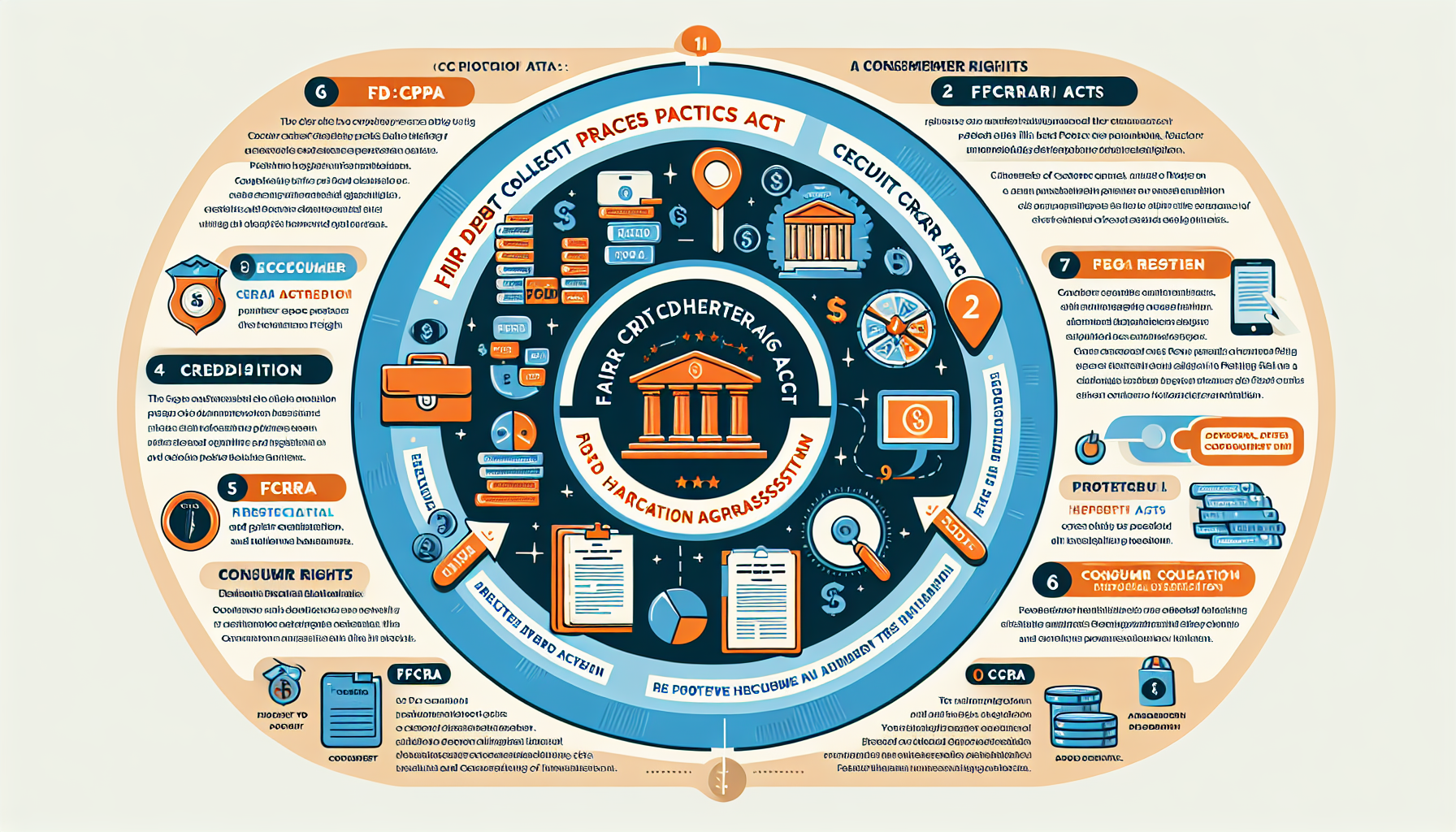
Two primary federal regulations ensure that debt collection practices adhere to ethical standards:
- Fair Debt Collection Practices Act (FDCPA):
- Prohibits abusive, deceptive, and unfair debt collection practices.
- Requires debt collectors to provide validation of the debt upon request.
- Limits the times and places at which debt collectors can contact consumers.
- Fair Credit Reporting Act (FCRA):
- Regulates how information about debts is reported to credit bureaus.
- Ensures accuracy and privacy of consumer credit information.
- Grants consumers the right to dispute inaccurate or incomplete information.
Understanding these regulations helps protect your rights as a borrower and provides tools to address potential issues with debt collectors. If you receive a communication from ERS, knowing these frameworks can empower you to respond appropriately and safeguard your financial well-being.
For those feeling overwhelmed by their financial situation or facing aggressive collection tactics, consulting with a knowledgeable attorney can offer invaluable guidance and support.
Common Practices by Debt Collectors

Debt collectors, including Enterprise Recovery Systems (ERS), often employ a variety of tactics to recover outstanding debts. Understanding these practices can help you recognize when your rights might be violated and how to respond appropriately.
Aggressive Communication Strategies
Debt collectors may use aggressive communication techniques to pressure you into paying the debt quickly. These strategies can include:
- Frequent Phone Calls: Calling multiple times a day or at inconvenient hours to create stress and urgency.
- Threatening Language: Making threats about legal action, wage garnishment, or property seizure without the actual intent or legal authority to follow through.
- False Claims: Misrepresenting the amount owed, the collector’s legal rights, or claiming to work for a government agency.
Misleading Representations
Some collectors may resort to deceptive practices that are not only unethical but also illegal under the Fair Debt Collection Practices Act (FDCPA). These can include:
- Misstating the Amount Owed: Inflating the debt amount by adding unauthorized fees or interest.
- Impersonating Legal Authorities: Pretending to be attorneys or law enforcement officials to intimidate you.
- Fake Deadlines: Creating false deadlines for payment that do not exist in an attempt to rush your decision-making process.
Automated Dialing Systems
Automated dialing systems or robocalls are commonly used by debt collectors like ERS. These systems can dial multiple numbers simultaneously and connect you with a live agent once you pick up. However, there are strict regulations governing their use:
- Consent Requirements: Under the Telephone Consumer Protection Act (TCPA), companies must have your explicit consent before using automated dialing systems to contact you on your mobile phone.
- Opt-Out Options: You should have an easy way to opt-out of receiving these calls. Failure to provide this option can constitute a violation of TCPA regulations.
Understanding these common tactics is crucial for recognizing when you might be dealing with debt harassment. Knowing your rights and how these practices should be regulated can empower you to take appropriate action against unfair treatment.
Your Rights as a Consumer Against Unfair Debt Collection Practices
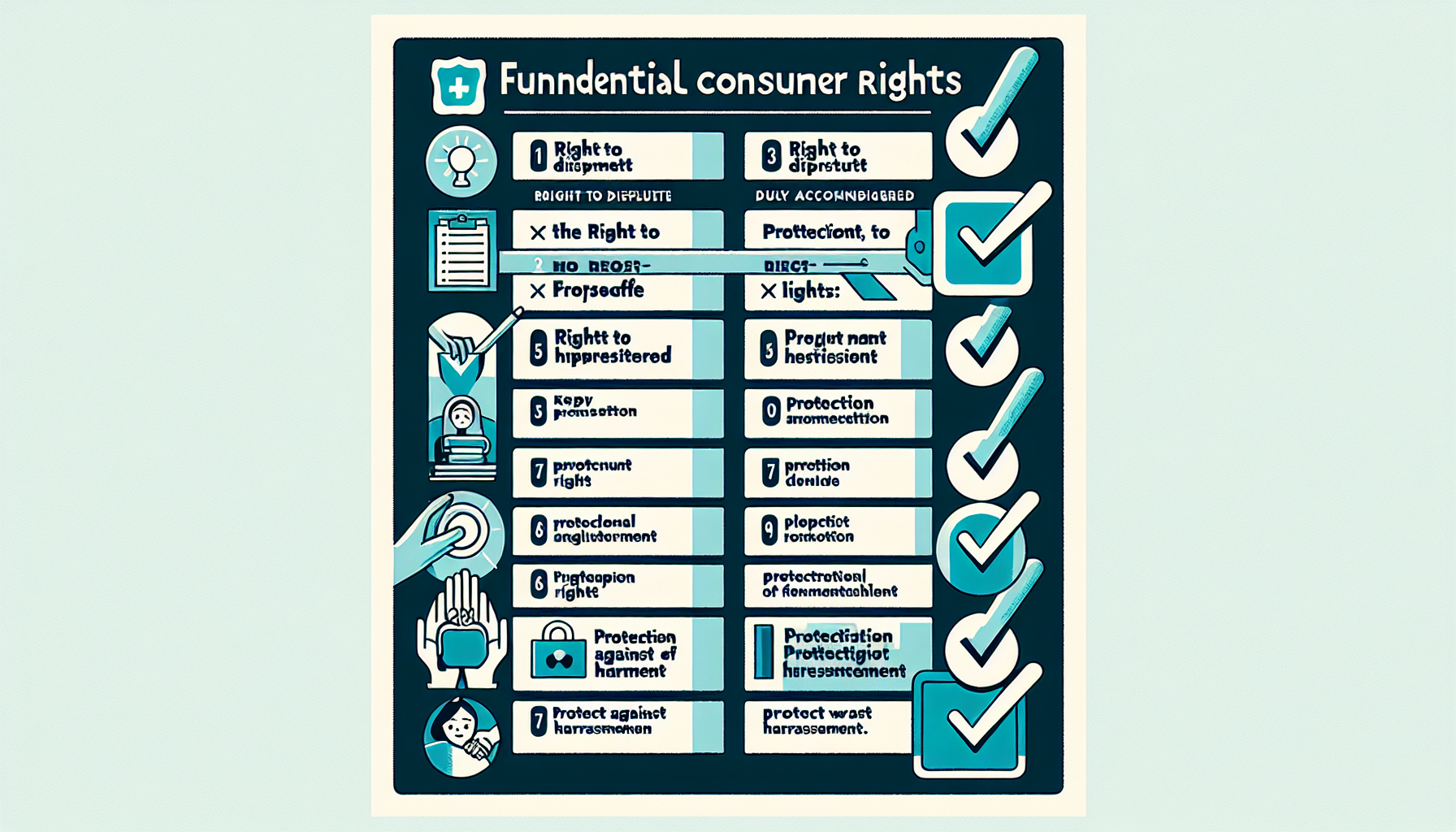
Understanding your rights is crucial when dealing with debt collectors like Enterprise Recovery Systems (ERS). Abusive or misleading collection attempts can take various forms, and knowing what to look for can help you recognize and combat unfair debt collection practices.
Signs of Abusive or Misleading Collection Attempts
Debt collectors may employ numerous tactics that border on harassment or deception. Here are some signs to watch for:
- Excessive Communication: Receiving multiple calls daily or at inconvenient times.
- Threatening Language: Use of abusive, profane, or threatening language in communications.
- False Claims: Misleading statements about the consequences of not paying the debt, such as threats of arrest or legal action without any basis.
- Misrepresentation: Pretending to be someone they are not, like an attorney or law enforcement officer.
- Unauthorized Charges: Attempting to collect more than what you owe or adding unauthorized fees.
Recognizing Violations of Your Rights
The Fair Debt Collection Practices Act (FDCPA) and Fair Credit Reporting Act (FCRA) provide robust protections for consumers. Here’s how you can identify violations:
- Harassment:
- Repeatedly calling you at work after being asked to stop.
- Contacting friends, family, or coworkers about your debt.
- Deceptive Practices:
- Sending fake legal documents or pretending to be from the court.
- Falsely claiming that non-payment will lead to imprisonment.
- Improper Disclosure:
- Failing to provide verification of the debt upon request.
- Not informing you of your right to dispute the debt within 30 days.
- Credit Reporting Issues:
- Reporting false information on your credit report.
- Failing to update your report after a debt has been settled.
Protecting Yourself
Being aware of these signs and understanding your rights under consumer protection laws empowers you to take appropriate action against unfair practices. Document all interactions with ERS and keep a record of any letters, emails, or messages received. This documentation can be crucial if you need to file a complaint or seek legal assistance.
Recognizing these violations early on can prevent further harassment and help safeguard your financial well-being.
What To Do If You Receive a Collection Letter from ERS
Receiving a collection letter from Enterprise Recovery Systems (ERS) can be stressful and intimidating. Understanding how to respond effectively is crucial to protect your rights and ensure you’re not subjected to unfair practices. Here’s a detailed guide on what you should do if you receive such a letter.
Disputing the Debt with ERS
If you believe the debt is incorrect or have any doubts about its validity, disputing the debt is an essential step. The Fair Debt Collection Practices Act (FDCPA) provides you with the right to dispute a debt and request verification. Here’s how to formally dispute a debt with ERS:
- Act Quickly: You typically have 30 days from the date you receive the collection letter to dispute the debt. Failing to act within this timeframe might result in ERS assuming the debt is valid.
- Drafting Your Dispute Letter:
- Include Your Information: Provide your full name, address, and any relevant account numbers.
- State Your Dispute Clearly: Explicitly state that you are disputing the debt and request validation of the debt.
- Request Specific Information: Ask for detailed information such as:
- The amount of debt
- The name of the creditor
- Proof that ERS has the authority to collect on this debt
- A copy of any judgment if applicable
- Send via Certified Mail: Sending your letter via certified mail with a return receipt ensures you have proof that ERS received your dispute.
Responding to Collection Letters
Aside from disputing debts, knowing how to respond appropriately to collection letters can help manage stress and maintain control over your financial situation.
- Review All Correspondence Carefully: Ensure all information provided by ERS is accurate and matches your records. Look out for any discrepancies or errors.
- Document Everything: Keep detailed records of all communications with ERS including dates, times, and content of conversations or letters exchanged.
- Avoid Making Payments Immediately: Until you’re certain about the validity of the debt, avoid making any payments as doing so could be interpreted as an acknowledgment of the debt’s legitimacy.
By understanding these steps, you’re better equipped to handle interactions with Enterprise Recovery Systems and other similar agencies effectively. This proactive approach not only helps protect your financial health but also ensures that you assert your rights under consumer protection laws.
Disputing debts effectively requires patience and attention to detail but doing so can prevent many issues down the line. Stay informed and always seek professional advice if needed.
When to Seek Legal Assistance for Debt Settlement

Navigating the complexities of debt settlement can be challenging and, in some cases, requires professional help. Knowing when it may be necessary to involve legal professionals in your negotiations with Enterprise Recovery Systems (ERS) ensures you are equipped to protect your rights effectively.
Steps to Take Upon Receiving a Letter from ERS:
- Verify the Legitimacy of the Debt: Confirm that the debt is valid. This involves requesting documentation from ERS that proves the debt belongs to you. The Fair Debt Collection Practices Act (FDCPA) mandates that collectors provide this information upon request.
- Seek Clarification on Discrepancies: If there are any discrepancies or if you believe the debt is not yours, immediately seek clarification. Document all communications with ERS and keep copies of any correspondence.
- Evaluate Your Financial Situation: Assess your ability to repay the debt. If repayment seems unfeasible, consider exploring alternative options such as debt consolidation or settlement.
When to Consider Legal Assistance:
- Complex Debt Situations: If your debt situation involves multiple creditors or large sums, an attorney can provide valuable guidance on the best course of action.
- Disputing Debt Collection Practices: If ERS employs aggressive or abusive tactics violating FDCPA regulations, a lawyer can help you file complaints and take legal action if necessary.
- Negotiation Expertise: Attorneys experienced in debt settlement possess negotiation skills that can result in more favorable terms for repayment or settlement.
- Protecting Your Rights: A legal professional ensures your consumer rights are upheld at every stage of the collection process.
For instance, understanding your debt collection rights can empower you in negotiations and disputes.
Finding a Lawyer for Debt Settlement:
- Research attorneys specializing in consumer protection and debt settlement.
- Look for firms with a proven track record in disputing unfair debt collection practices.
- Consider scheduling consultations to discuss your case and understand potential strategies.
Seeking legal assistance is a proactive step towards resolving your debt issues while safeguarding your financial future.
Filing Complaints Against ERS: A Step Towards Accountability
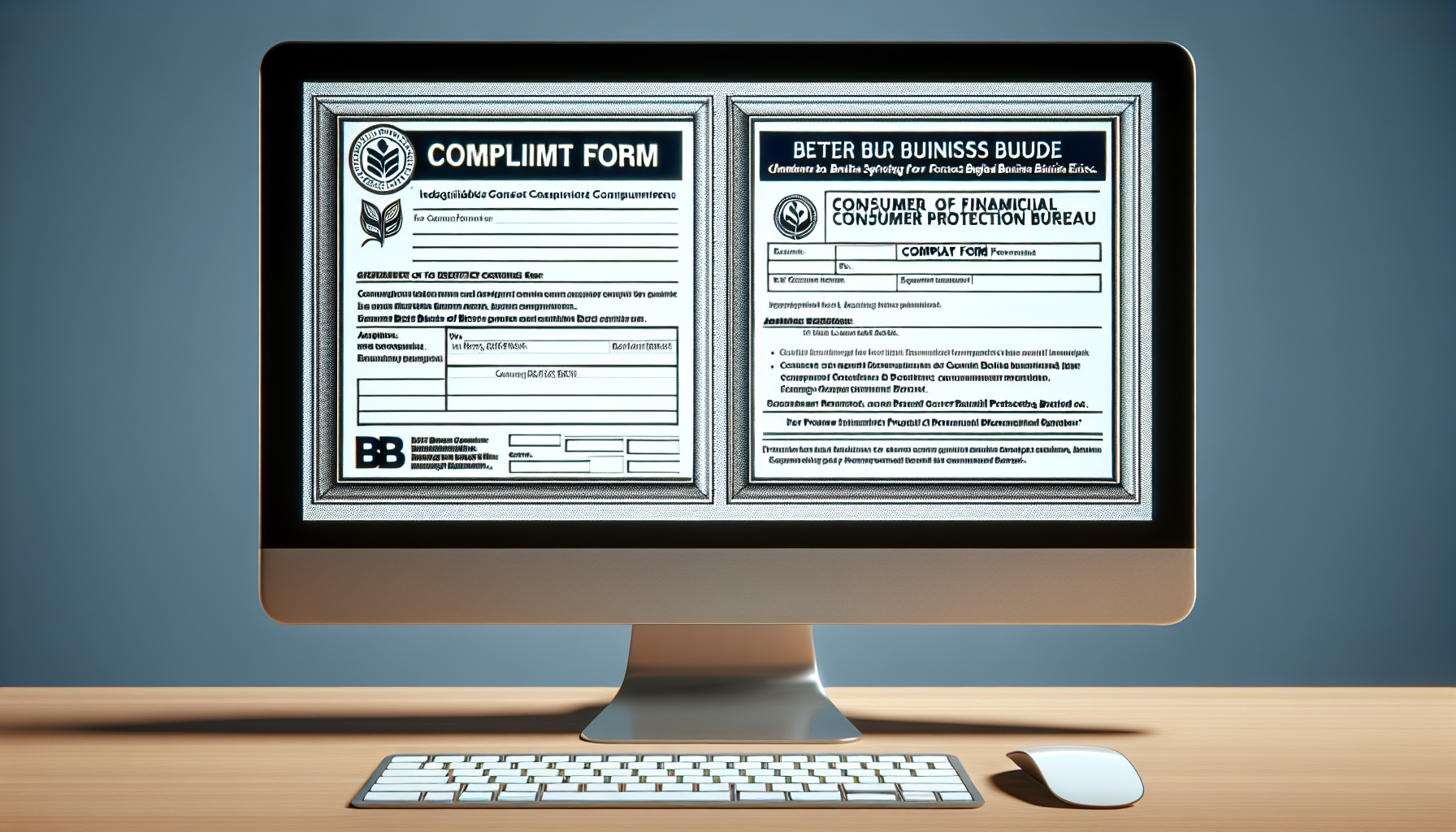
Receiving a collection letter from Enterprise Recovery Systems (ERS) can be daunting. Understanding the process for filing complaints against debt collectors is crucial to protecting your rights and holding these agencies accountable.
Responding to Collection Letters
Before filing a complaint, it’s vital to verify the legitimacy of the debt. Here are steps to take upon receiving a letter from ERS:
- Verify the Debt: Ensure the debt is yours by checking account numbers, amounts, and other details.
- Request Validation: Under the Fair Debt Collection Practices Act (FDCPA), you have 30 days to request validation of the debt.
- Seek Clarification: If there are discrepancies, contact ERS for clarification and document all communications.
Filing Complaints with Relevant Authorities
If you believe ERS is engaging in unfair practices or violating your rights, you can file complaints with several authorities:
- Better Business Bureau (BBB):
- Visit the BBB website and search for Enterprise Recovery Systems or Alltran Education, Inc.
- Follow the prompts to file a complaint detailing your issue.
- Consumer Financial Protection Bureau (CFPB):
- Go to the CFPB’s complaint portal.
- Provide specifics about your interactions with ERS and any potential violations of consumer protection laws.
- State Attorney General’s Office:
- Many states have resources for consumers facing unfair debt collection practices.
- Check your state’s Attorney General’s website for instructions on filing complaints.
Filing complaints helps create a record of disputes against ERS and can lead to investigations that hold them accountable. Always keep copies of your correspondence and detailed notes of interactions with ERS.
This proactive approach not only protects your rights but also contributes to industry-wide accountability. By understanding how to respond to collection letters and knowing where to file complaints, you take critical steps towards managing your financial health responsibly.
Credit Reporting & Impact on Financial Health: Understanding Your Rights Under FCRA

How Debts Collected by ERS Can Affect Your Credit Report and Overall Financial Well-being
When you receive a collection letter from Enterprise Recovery Systems (ERS), it’s crucial to understand the potential impact on your credit report. ERS, like other debt collection agencies, can report your outstanding debts to credit bureaus, resulting in negative credit report notations. These notations can significantly affect your credit score and financial health in several ways:
- Credit Score Reduction: A debt reported by ERS can lower your credit score, making it harder to obtain loans or credit cards in the future. Lenders view collections as a sign of financial instability.
- Difficulty Obtaining New Credit: Negative entries on your credit report can lead to higher interest rates or outright denial of new credit applications.
- Impact on Employment: Some employers review credit reports as part of their hiring process. A poor credit score could affect job prospects.
- Higher Insurance Premiums: Insurers may increase premiums based on your credit score, viewing it as an indicator of risk.
Understanding these impacts is vital for anyone seeking a financial fresh start. Knowing your rights under the Fair Credit Reporting Act (FCRA) ensures that you are protected against inaccurate or misleading information affecting your financial well-being.
Steps to Protect Your Credit While Managing Debts Responsibly
Taking proactive steps to protect your credit while managing debts collected by ERS is essential. The following strategies can help you maintain a positive credit profile even when dealing with outstanding debts:
- Review Your Credit Report Regularly
- Obtain free annual copies of your credit report from the three major bureaus (Experian, Equifax, and TransUnion).
- Look for inaccuracies or outdated information, especially related to debts reported by ERS.
- Dispute Inaccurate Information
- If you find errors or inaccuracies related to ERS collections, dispute them promptly with the reporting bureau.
- Provide documentation supporting your claim, such as payment records or correspondence with ERS.
- Make Timely Payments
- Continue making timely payments on all current accounts to offset any negative impact from collections.
- Consider setting up automatic payments to ensure consistency.
- Negotiate Repayment Plans
- Contact ERS to discuss possible repayment plans that fit within your budget.
- Request written confirmation of any agreements made to prevent misunderstandings.
- Request “Pay-for-Delete” Agreements
- Negotiate with ERS for a “pay-for-delete” agreement where they remove the collection entry upon full payment.
- Ensure this agreement is documented in writing before making payment.
- Seek Professional Guidance
- Consult with a consumer protection attorney if you’re unsure about negotiating with ERS or disputing incorrect information.
- Legal professionals can provide tailored advice and representation to safeguard your rights under FCRA.
Maintaining vigilance over these aspects helps mitigate the adverse effects of collections on your financial health. Implementing these strategies empowers you to manage debts responsibly while protecting and improving your credit profile.
Understanding how debts collected by ERS can impact your financial well-being and knowing effective strategies for managing these debts ensures you stay on track towards achieving a financial fresh start.
Seeking Legal Help: Get In Touch with Consumer Protection Attorneys Like the Law Office of Richard Kistnen to Discuss Your Options

Navigating the complexities of debt collection, especially when dealing with agencies like Enterprise Recovery Systems (ERS), can be overwhelming. This is where a consumer protection attorney comes into play. An attorney experienced in handling unfair debt collection practices provides invaluable support and advocacy.
Benefits of Hiring an Experienced Attorney
- Advocacy for Your Rights: A consumer protection attorney understands your rights under laws such as the Fair Debt Collection Practices Act (FDCPA) and the Fair Credit Reporting Act (FCRA). They can identify violations and hold debt collectors accountable for any illegal practices.
- Negotiation on Your Behalf: Attorneys are skilled negotiators who can communicate directly with debt collectors. This often leads to better settlement terms or even dismissal of illegitimate debts.
- Protection Against Harassment: If you’re facing harassment from ERS, an attorney can intervene to stop abusive practices and ensure that all communications comply with legal standards.
- Guidance Through Legal Procedures: Whether it’s disputing a debt, filing complaints, or considering bankruptcy, an attorney guides you through each step, ensuring all legal procedures are correctly followed.
- Financial Fresh Start: When debts become unmanageable, discussing options like bankruptcy with an attorney could provide a path to financial recovery and a fresh start.
Call to Action
Struggling with debt is challenging, but you don’t have to face it alone. If you’re dealing with Enterprise Recovery Systems or contemplating bankruptcy, contact the Law Office of Richard Kistnen today.
- Call us at (718) 738-2324
- Book a complimentary, no-obligation virtual consultation by clicking here
Discuss your options with seasoned professionals dedicated to protecting your rights and helping you achieve financial stability.