
Can You File Bankruptcy Without Your Spouse?

Yes, you can file for bankruptcy without your spouse. This option allows you to manage your financial struggles individually, especially if most debts are under your name alone. Choosing between Chapter 7 or Chapter 13 bankruptcy depends on your unique financial situation. Chapter 7 helps eliminate most unsecured debts like medical bills and personal loans, while Chapter 13 involves a repayment plan over three to five years.
Filing individually does not automatically protect your spouse’s individual credit score, but it can be a strategic move to preserve their financial health. However, if you share joint property or debts, the process becomes more complex. A bankruptcy trustee will play a crucial role in this process, managing your bankruptcy estate and determining the impact on jointly owned assets and debts.
The decision to file bankruptcy without your spouse should be weighed carefully, considering individual debts, joint property, and the potential impact on your spouse. Understanding the nuances between filing jointly and filing individually, including the implications for bankruptcy discharge, is essential for making an informed decision.
Navigating the Process of Filing Bankruptcy Alone

Filing for bankruptcy without your spouse requires careful preparation and understanding of the bankruptcy forms and process. A bankruptcy trustee will be assigned to oversee your case, ensuring that all necessary steps are followed and that your solo filing is handled correctly. It’s vital to have all documentation accurately filled out to reflect your financial situation, highlighting the division of individual and joint assets and debts.
Reasons to File Without Your Spouse
Choosing to file without your spouse can be based on several reasons, such as protecting joint assets and minimizing the impact on the non-filing spouse’s income. In some states, the bankruptcy estate and how bankruptcy affects your property can vary significantly, often influenced by whether you live in a common law property state or a community property state. Filing individually might also make you eligible for a discharge of debts without endangering marital assets or your spouse’s financial situation.
Protecting Non-filing Spouse’s Credit
When one spouse files for bankruptcy without the other, it’s often to protect the non-filing spouse’s credit score. This strategic move keeps their credit report free of bankruptcy, which can be crucial for maintaining eligibility for future loans or credit. It’s important to manage this carefully, as the non-filing spouse’s income and assets might still be affected, depending on state laws and the nature of your debts.
Preserving Separate Property
Filing for bankruptcy without your spouse can also serve to protect your property acquired during the marriage. It ensures that assets deemed separate from the marital estate are shielded from creditors. This is particularly relevant in states where the law distinguishes between marital and individual property, allowing you to preserve assets you owned before the marriage or received as a gift or inheritance.
Joint Debts and Their Impact on Filing Separately
When one spouse files for bankruptcy without the other, understanding the impact on joint debts is crucial. Any debts acquired during the marriage may still affect the non-filing spouse if the filing spouse’s bankruptcy does not discharge the joint debt. This means that creditors can still seek repayment from the non-filing spouse for any joint debts, despite the bankruptcy filing.
The Role of Community Property States in Individual Filings
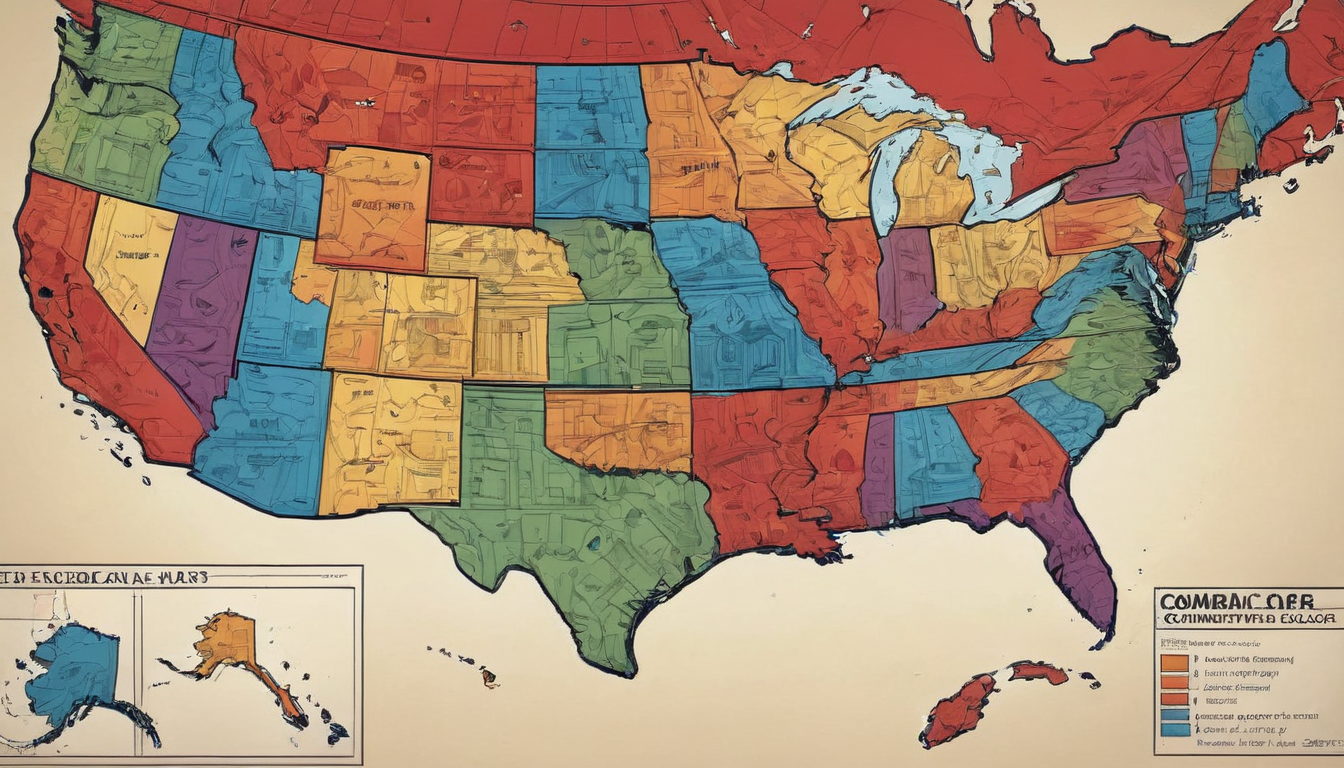
In community property states, filing for bankruptcy without your spouse carries unique considerations. Both spouse’s property acquired during the marriage is generally considered jointly owned, regardless of who incurred the debt. This can affect eligibility for Chapter 7 bankruptcy and how debts incurred during the marriage are treated. Consulting with bankruptcy attorneys is critical to navigate these complex laws and determine the best course of action.
Property State Considerations
In property states, the distinction between individual and marital property impacts how debts are handled in bankruptcy. Debts that were incurred individually may still be discharged in bankruptcy, but understanding how your state views marital property is essential. This knowledge will help protect assets and ensure that your filing aligns with state laws.
Comparing Chapter 7 and Chapter 13 When Filing Solo

Deciding between Chapter 7 and Chapter 13 bankruptcy is a critical step when filing without your spouse. Chapter 7 allows for the discharge of unsecured debts quickly, while Chapter 13 involves repaying debts over time. Your spouse’s income may influence your eligibility for Chapter 7 and impact your repayment plan under Chapter 13. An experienced bankruptcy attorney can offer guidance on exemptions to protect your assets and how to best manage your debts.
Chapter 7 Bankruptcy: A Closer Look
Filing Chapter 7 bankruptcy when solo can offer relief from unsecured debts while allowing you to keep certain exempt assets. This bankruptcy type might require liquidating nonexempt assets to benefit creditors, but it allows for a quicker discharge of debts. The contribution of your spouse to the household income will be considered, potentially affecting the outcome of your case.
Eligibility and Outcomes for the Individual Spouse
Eligibility for Chapter 7 bankruptcy as an individual spouse depends on your income, debts, and assets. This option can provide a fresh start by discharging eligible debts while allowing you to retain exempt property. Understanding the specific exemptions and how they apply to your situation is crucial for protecting your assets during the bankruptcy process.
Chapter 13 Bankruptcy: Understanding the Differences

Chapter 13 bankruptcy differs significantly from Chapter 7 by enabling you to repay your debts over a 3 or 5 period. This option can be particularly beneficial if you have nonexempt property you wish to keep or if your income is too high to qualify for Chapter 7.
How It Affects Repayment Plans and Marital Finances
Filing for Chapter 13 bankruptcy without your spouse can still impact your joint household financially. The repayment plan will consider your overall income, including the non-filing spouse’s income, to determine your monthly payment. This approach can help manage debts like car loans while minimizing the financial impact on your spouse.
Legal and Financial Implications
Filing for bankruptcy without your spouse involves navigating a complex web of legal and financial implications. Understanding how your decision affects joint property, the non-filing spouse’s credit rating, and your household’s financial stability is crucial. Consulting with bankruptcy attorneys can provide clarity, ensuring that your filing aligns with your financial goals and legal requirements.
Effects on the Non-Filing Spouse’s Credit Rating
Filing bankruptcy without your spouse can protect their credit rating from the direct impact of a bankruptcy filing. However, it’s important to consider how filing separately or jointly affects your financial situation. While the automatic stay extends to you, the non-filing spouse may still face financial repercussions from joint debts or if their income is considered in the bankruptcy process.
Loss of Joint Property and How to Mitigate Risks

When you decide to file for bankruptcy without your spouse, a major concern is the impact on jointly owned property. This includes anything you own together, like your house or car. To protect these assets, it’s essential to understand the exemptions available under bankruptcy law that might allow you to keep this property. Planning with a bankruptcy attorney can help identify strategies to safeguard jointly owned assets, ensuring that the non-filing spouse’s rights and interests are preserved.
Navigating Household Expenses and Marital Adjustments
Adjusting to a new financial reality after one spouse files for bankruptcy involves careful management of car loans, the joint household budget, and balancing monthly income and expenses. It’s crucial to openly communicate and realign financial goals to ensure both partners are working towards a stable financial future. This might include creating a detailed budget or seeking financial counseling to better manage household finances and prevent future financial strain.
The Means Test and Other Considerations
The means test is a crucial step in determining eligibility for debt relief through bankruptcy. If you choose to file without your spouse, the test will assess your income against your state’s median to decide whether you qualify. Your spouse’s contribution to the household income is considered, which might affect the outcome. This evaluation helps ensure that filing serves to benefit the household by providing a path out of debt while considering all sources of income.
Filing Separately: Strategies and Implications
When one spouse owns significant debts and property independently, filing separately might be the most strategic move. This approach can protect the non-filing spouse’s assets and credit rating from being affected by the bankruptcy. It’s important to carefully evaluate which debts and property are solely in one spouse’s name, as this will influence the decision to file individually.
The Impact of Spouse’s Income on Means Test
Even if your spouse is not filing, their income plays a significant role in the means test when considering chapter 7 or chapter 13 bankruptcy. The test takes into account the total household income, including your spouse’s, to determine your eligibility for filing bankruptcy. This could impact the type of bankruptcy you’re eligible for, highlighting the importance of understanding how both incomes affect your filing status.
The Importance of Professional Guidance

Filing for bankruptcy, whether individually or jointly, is a significant decision with complex legal implications. Professional guidance from experienced bankruptcy lawyers can provide clarity and direction, ensuring that you understand your options and the potential outcomes of your case. An attorney can help navigate the complexities of bankruptcy law, offering personalized advice tailored to your unique financial situation.
When to Seek Legal Advice
It’s crucial to consult with a bankruptcy attorney early in the decision-making process, especially when considering filing without a spouse. Legal advice can help you understand the implications for your assets, debts, and credit rating, allowing you to make an informed choice about how to proceed.
Weighing the Benefits Against the Potential Strains on Marriage

Deciding to pursue bankruptcy without a spouse involves careful consideration of both financial benefits and the potential impact on your relationship. Open communication and mutual understanding are key to navigating this decision, ensuring that both partners feel supported throughout the process. Seeking professional guidance can also provide a neutral perspective, helping to balance financial recovery with maintaining a healthy marriage.
Final Verdict: Is Filing Bankruptcy Without Your Spouse the Right Move?

Filing chapter 7 bankruptcy without your spouse might be a strategic decision if you have significant nonexempt assets, co-signed debts, or if one spouse’s separate property needs protection. However, it’s essential to consider how this decision will affect jointly owned property and both spouses’ financial futures. Before deciding, evaluate whether both spouses should file or if protecting the spouse’s separate property from the spouse’s debts is the priority. Careful consideration and professional advice are crucial to making the right choice.
Utilizing Free Consultation for a Clearer Path
If you’re struggling to keep up with your debts and considering filing for bankruptcy without your spouse, don’t delay seeking help. The Law Office of Richard Kistnen is here to guide you towards debt relief, offering expertise in handling card debt, debt collection lawsuits, and the intricacies of filing without a spouse. Take the first step towards a fresh financial start by calling (718) 738-2324 or booking your complimentary, no obligation virtual bankruptcy consultation here. Our bankruptcy lawyers are committed to providing transparent and friendly advice, helping you navigate your options and find the best path forward.