
How to File for Bankruptcy for Free: A Guide to Getting Your Financial Fresh Start!

Debt can be complicated and difficult to manage, but understanding bankruptcy can offer a way out. It’s important to know how this financial tool works if you’re looking for a solution to your overwhelming debt. Bankruptcy is a legal process that allows you to either eliminate or restructure your debts, giving you an opportunity to start fresh financially.

Key takeaway: You can file for bankruptcy for free with the right resources and knowledge. This guide aims to equip you with the necessary information and steps to achieve that.
What We Will Discuss in This Guide:
- Understanding Bankruptcy: We’ll break down what bankruptcy is, including an overview of different types like Chapter 7 and Chapter 13, and help you choose the right type based on your financial situation.
- The Bankruptcy Process Explained: A step-by-step overview of how to gather financial information and file your petition.
- Filing Chapter 7 Bankruptcy for Free: Detailed steps on collecting documents, completing forms, and common mistakes to avoid.
- Exploring Chapter 13 Bankruptcy Options: How a New York City bankruptcy attorney can assist in navigating this complex process.
- Finding Legal Assistance and Resources: Where to find free legal help and resources for filing bankruptcy.
- Utilizing Free Resources for Bankruptcy Assistance: Information about pro se offices in bankruptcy courts that offer guidance.
- Post-Bankruptcy Considerations: Strategies for rebuilding your credit and financial future after filing.
By following this guide, you’ll gain a comprehensive understanding of how to file for bankruptcy, enabling you to take control of your financial destiny.
Understanding Bankruptcy
Definition of Bankruptcy
Bankruptcy is a legal process designed to help individuals or businesses who cannot repay their outstanding debts. This process allows debtors to either eliminate their debts or create a repayment plan under the protection of the bankruptcy court. By filing for bankruptcy, debtors can receive immediate relief from creditors through an automatic stay, preventing wage garnishment, foreclosure, and other collection actions.
Overview of Different Types: Chapter 7 vs. Chapter 13
Chapter 7 Bankruptcy
Also known as “liquidation bankruptcy,” Chapter 7 is ideal for individuals with limited income who cannot afford to repay their debts. Key features include:
- Debt Discharge: Most unsecured debts, such as credit card bills and medical expenses, are discharged.
- No Repayment Plan: There is no need to create a repayment plan.
- Asset Liquidation: Non-exempt assets may be sold by a trustee to pay off creditors.
- Eligibility: Must pass the means test, which compares your income against the median income in your state.
Chapter 13 Bankruptcy
Known as “reorganization bankruptcy,” Chapter 13 is suitable for individuals with a regular income who can repay some of their debts over time. Key features include:
- Repayment Plan: Debtors propose a 3-5 year repayment plan based on their disposable income.
- Asset Protection: Allows debtors to keep most of their assets while repaying creditors.
- Debt Adjustment: Secured debts like mortgages can be caught up through the repayment plan.
- Eligibility: Individuals must have a regular income and meet specific debt limits.
Choosing the Right Type Based on Financial Situation
Selecting between Chapter 7 and Chapter 13 depends on various factors:
- Income Level: If your income is below the median level and you have minimal disposable income, Chapter 7 might be more appropriate.
- Debt Type and Amount: Consider the nature and amount of your debts—unsecured vs. secured—and whether you want to retain certain assets.
- Long-term Goals: If retaining your home or car is crucial, Chapter 13 may offer better options through its structured repayment plan.
- Immediate Relief Needs: Both chapters offer immediate relief via an automatic stay, but Chapter 7 provides quicker discharge of debts.
Understanding these key aspects will guide you in making an informed decision about which type of bankruptcy suits your financial circumstances best.
The Bankruptcy Process Explained
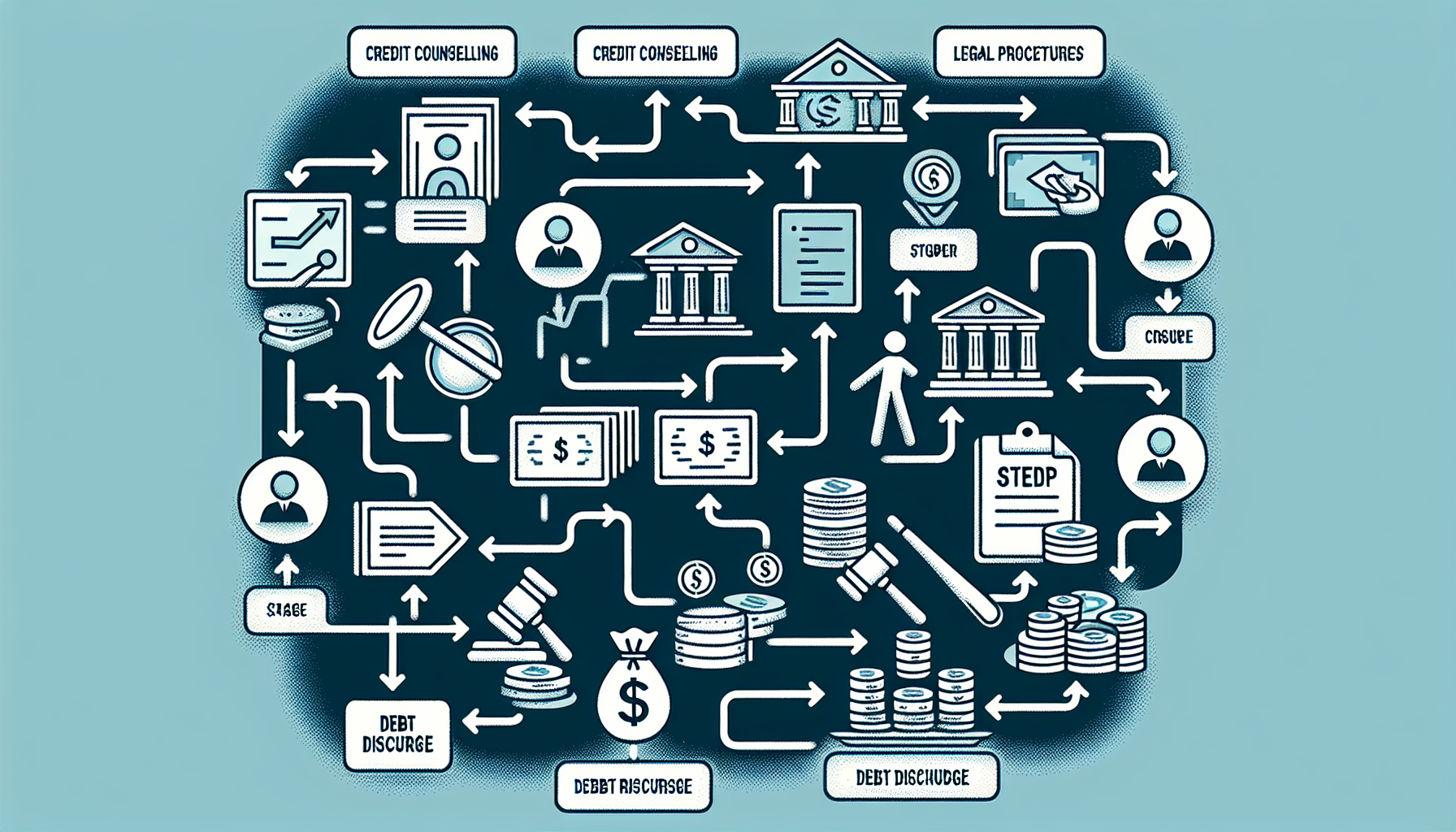
Navigating the bankruptcy process can seem overwhelming, but breaking it down into clear steps makes it more manageable. Here’s a step-by-step guide to help you understand what to expect.
Step-by-Step Overview of the Bankruptcy Process
1. Credit Counseling Course
Before filing, you must complete a credit counseling course from an approved agency within 180 days prior to filing. This course helps assess whether bankruptcy is the right choice for you and explores alternatives.
2. Gather Financial Information
Collect all necessary financial documents including:
- Income records (pay stubs, tax returns)
- Bank statements
- Credit card statements
- Loan documents
- Bills and other expenses
3. Complete Bankruptcy Forms
Fill out the required bankruptcy forms, which include:
- The bankruptcy petition
- Schedules listing assets, liabilities, income, and expenses
- Statement of financial affairs
4. File Your Petition
Submit your completed forms to the bankruptcy court and pay the associated filing fee. This action triggers the automatic stay, which halts most collection activities against you.
5. Appointing the Trustee
After filing, a trustee is appointed to oversee your case. They will review your petition and may request additional documentation.
6. The 341 Meeting (Meeting of Creditors)
Attend the 341 meeting where the trustee and creditors can ask questions about your financial situation and bankruptcy forms.
7. Completion of Debtor Education Course
Post-filing, complete a debtor education course from an approved provider. This course focuses on financial management skills to help prevent future financial problems.
8. Discharge of Debts
If everything is in order and no objections are raised, eligible debts will be discharged by the court, giving you a fresh start.
How to Gather Financial Information for Your Petition

Accurate documentation is crucial for your bankruptcy petition. Here’s how to ensure you have everything needed:
- Income Records
- Collect recent pay stubs from all sources of employment.
- Obtain copies of your last two years’ tax returns.
- Bank Statements
- Gather statements from all bank accounts for at least six months prior to filing.
- Debt Documentation
- Compile all credit card statements and loan agreements.
- List any outstanding bills such as medical or utility bills.
- Asset Valuation
- Document current value of significant assets like property or vehicles.
- Include appraisals if available.
- Monthly Expenses
- Detail regular monthly expenses including rent/mortgage payments, utilities, groceries, insurance premiums, etc.
Ensuring thoroughness in gathering this information will make completing your bankruptcy petition smoother and more accurate. This sets a solid foundation for moving forward with either Chapter 7 or Chapter 13 proceedings.
Maintaining organization throughout this process aids in transparency and accuracy, essential elements in successfully navigating bankruptcy filings.
Filing Chapter 7 Bankruptcy for Free: A Step-by-Step Guide

Filing for Chapter 7 bankruptcy without incurring legal fees can be a lifeline for individuals who are financially strained. This process, though daunting, is achievable with the right guidance and resources. Here’s a detailed guide on how to file for Chapter 7 bankruptcy for free.
Steps to File Chapter 7 Bankruptcy
- Collect Necessary Documents
- Income Documentation: Gather pay stubs, tax returns, and any other income records from the past six months.
- Asset Information: Compile details about your bank accounts, properties, vehicles, and other valuable possessions.
- Debt Details: Obtain recent statements from all creditors, including credit card companies, medical bills, and personal loans.
- Monthly Expenses: Record your monthly living expenses such as rent, utilities, groceries, and transportation costs.
- Complete Pre-Bankruptcy Credit Counseling
- Before filing, you must complete a credit counseling course from an approved agency. This typically involves a session that helps you understand your financial situation and explore alternatives to bankruptcy.
- Fill Out Bankruptcy Forms
- Access official bankruptcy forms from the U.S. Courts website or your local bankruptcy court’s website. Key forms include:
- Voluntary Petition for Individuals Filing for Bankruptcy (Form 101)
- Schedule of Assets and Liabilities (Forms 106A-J)
- Statement of Financial Affairs (Form 107)
- Carefully fill out each form with accurate information about your finances.
- Prepare Filing Fee or Request a Fee Waiver
- The filing fee for Chapter 7 bankruptcy is $338. If you cannot afford this fee, you may request a waiver by submitting Application to Have the Chapter 7 Filing Fee Waived (Form 103B). Eligibility usually depends on household income being below 150% of the federal poverty line.
- Print and Submit Forms
- Print all completed forms single-sided and ensure they are signed where required.
- File these forms at your local bankruptcy court in person. Be prepared to pass through security screening similar to airport procedures.
- Mail Required Documents to Trustee
- After filing, the court appoints a trustee to oversee your case. You will receive instructions on mailing additional documents such as recent tax returns and pay stubs.
- Complete Post-Filing Financial Management Course
- To qualify for debt discharge, complete a debtor education course from an approved provider within a specified period after filing.
- Attend the 341 Meeting of Creditors
- Attend this mandatory meeting where the trustee reviews your case and creditors can ask questions about your financial affairs.
- Address Car Loans if Applicable
- Decide whether to surrender your vehicle or reaffirm the loan agreement if you have an existing car loan.
Common Mistakes to Avoid
- Incomplete or Inaccurate Information: Omitting assets or debts can result in case dismissal or penalties.
- Failing to Complete Required Courses: Both pre-filing credit counseling and post-filing debtor education are mandatory.
- Missing Deadlines: Timely submission of all documents is crucial; missing deadlines can jeopardize your case.
- Improper Document Preparation: Ensure all forms are printed single-sided and properly signed before submission.
Navigating these steps carefully helps ensure that you can file for Chapter 7 bankruptcy correctly without professional legal fees while paving the way towards financial recovery.
Exploring Chapter 13 Bankruptcy Options with Professional Help

Understanding the Chapter 13 Repayment Plan
Chapter 13 bankruptcy, often known as a wage earner’s plan, enables individuals with regular income to develop a plan to repay all or part of their debts over three to five years. The repayment plan is structured around several key components:
- Duration: Debtors typically propose a repayment period of three to five years. If the debtor’s monthly income is less than the applicable state median, the plan will usually be for three years unless extended by the court. For those with income above the median, the plan must be for five years.
- Payment Structure: Payments are made to a Chapter 13 trustee who then distributes funds to creditors according to the terms of the repayment plan.
- Debt Prioritization: Secured debts (like car loans and mortgages) are prioritized, with unsecured debts (like credit card debt) receiving payment only after secured and priority debts are addressed.
- Discharge: Upon successful completion of the repayment plan, any remaining dischargeable debt is wiped out, providing the debtor with a financial fresh start.
Navigating Chapter 13 Complexity with a Bankruptcy Attorney
Filing for Chapter 13 bankruptcy involves navigating an intricate web of legal requirements and financial documentation. This is where the expertise of a bankruptcy attorney becomes invaluable:
- Comprehensive Evaluation: An experienced attorney will thoroughly review your financial situation to ensure that Chapter 13 is the right fit for you. This includes examining your income, expenses, debts, and assets.
- Plan Development: Crafting a feasible repayment plan that meets both your needs and legal requirements can be challenging. Attorneys help formulate reasonable repayment plans that courts are likely to approve.
- Legal Representation: The bankruptcy process involves multiple court appearances and meetings with creditors. An attorney provides representation at these proceedings, advocating on your behalf to protect your interests.
- Trustee Interaction: Communicating effectively with the Chapter 13 trustee is crucial for smooth case administration. Attorneys handle interactions with trustees, ensuring all required documents are provided timely and accurately.
Filing for Chapter 13 bankruptcy can be daunting without professional guidance. A qualified attorney helps demystify this complex process, making it more manageable and increasing your likelihood of achieving a favorable outcome.
Finding Legal Assistance and Resources to File Bankruptcy for Free
Importance of Consulting with a Qualified Attorney
Navigating bankruptcy can be a complex and daunting process. Consulting with a qualified attorney is crucial when considering your bankruptcy options. A professional can provide:
- Expert guidance: An experienced attorney can help you understand the different types of bankruptcy, such as Chapter 7 and Chapter 13, and determine which option suits your financial situation best.
- Accurate documentation: Properly filling out and filing the necessary paperwork is vital. Any mistakes can delay your case or even result in dismissal.
- Strategic advice: Attorneys offer insights into protecting assets, managing creditors, and navigating legal requirements.
Reaching Out to Bar Associations for Pro Bono Assistance
If hiring an attorney seems financially out of reach, consider seeking help through bar associations. Many of these organizations offer pro bono (free) assistance programs for those unable to afford legal fees. Here’s how to find these resources:
- Contact local bar associations: Look up the bar association in your area or visit their website. In New York City, for instance, the New York City Bar Association offers a variety of resources.
- Inquire about pro bono programs: Ask if they have programs specifically designed to assist with bankruptcy filings. Many bar associations have partnerships with volunteer attorneys willing to provide free legal aid.
- Check eligibility requirements: Some programs may have income or asset thresholds that you need to meet to qualify for free assistance.
Steps to Access Pro Bono Legal Services
For individuals seeking to file for bankruptcy without incurring legal costs, these resources are invaluable. By leveraging pro bono services offered by bar associations, many people can achieve a financial fresh start without the burden of additional expenses.
- Initial Inquiry: Call or email the bar association’s pro bono coordinator to explain your situation and request help.
- Application Process: Complete any necessary forms or applications required by the program.
- Consultation Appointment: If eligible, you will be matched with a volunteer attorney who will guide you through the bankruptcy process.
Utilizing Free Resources for Bankruptcy Assistance like the Pro Se Office in Bankruptcy Court

Navigating the bankruptcy process can be daunting, especially if you choose to file without an attorney. However, one invaluable resource available to those filing on their own is the pro se office at your local bankruptcy court.
What is the Pro Se Office?
The pro se office is specially designed to assist individuals who are representing themselves in legal matters, including bankruptcy cases. Staff members in this office can provide guidance on procedural aspects of filing for bankruptcy and help ensure that you have all necessary forms and documents.
How Can the Pro Se Office Help?
While the staff cannot offer legal advice, they can:
- Answer procedural questions: Clarify steps in the filing process.
- Provide necessary forms: Supply you with the correct paperwork needed for your case.
- Review documents: Assist in checking that your forms are filled out correctly.
- Explain court procedures: Describe what to expect during hearings and meetings with trustees.
For instance, if you’re unsure about certain procedures, resources like this FAQ section can provide valuable insights.
Getting Started with the Pro Se Office
To make use of these resources:
- Contact Your Local Bankruptcy Court: Find out if they have a pro se office and what services are offered.
- Schedule an Appointment: Some offices may require or recommend making an appointment to ensure a staff member is available to assist you.
- Prepare Your Questions: Write down any questions you have about the filing process or specific forms to make your visit more productive.
Additionally, if you need assistance beyond what the pro se office can provide, consider seeking help from a pro se law clerk who may offer more specialized support.
Using the pro se office and these additional resources can significantly ease the burden of filing for bankruptcy on your own, providing a clearer path toward your financial fresh start.
Post-Bankruptcy Considerations: Rebuilding Your Financial Future After Filing For Bankruptcy

Strategies for Rebuilding Credit After Discharge
Emerging from bankruptcy is the first step toward reclaiming your financial health. Here are some effective strategies to rebuild your credit score after bankruptcy:
- Review Your Credit Report
- Obtain a free copy of your credit report from each of the three major credit bureaus (Equifax, Experian, and TransUnion). Ensure that all discharged debts are marked as such and that there are no errors.
- Create a Budget
- Develop a realistic budget that prioritizes essential expenses and savings. This helps in maintaining financial discipline and avoiding future debt pitfalls.
- Open a Secured Credit Card
- A secured credit card requires a cash deposit as collateral, making it easier to obtain post-bankruptcy. Use this card responsibly by keeping the balance low and paying off the full amount each month.
- Consider a Credit-Builder Loan
- Some financial institutions offer credit-builder loans designed specifically to help individuals rebuild their credit scores. Repay these loans on time to improve your credit profile.
- Pay Bills on Time
- Timely bill payments are crucial for rebuilding credit. Set up automatic payments or reminders to ensure you never miss a due date.
- Keep Credit Utilization Low
- Aim to use less than 30% of your available credit limit on any revolving accounts. High utilization rates can negatively impact your credit score.
- Monitor Your Progress
- Regularly check your credit score and report to monitor your progress and rectify any discrepancies promptly.
- Diversify Your Credit Portfolio
- Over time, consider adding different types of credit such as installment loans or retail accounts to demonstrate responsible borrowing behavior across various credit lines.
Key Takeaway
Rebuilding your credit score after bankruptcy is entirely achievable with disciplined financial habits and careful management of new credit opportunities. Each step you take towards responsible borrowing will gradually reflect in an improved credit score within one year of discharge.
Getting Your Financial Fresh Start Through Bankruptcy Filing with the Law Office of Richard Kistnen

Taking the first step towards getting your financial fresh start is essential. Everyone deserves a chance to rebuild and thrive without the overwhelming burden of debt. If you’re struggling to keep up with your financial obligations, don’t hesitate to seek help. Utilize the resources and guidance available to you.
Contact us today:
- Call the Law Office of Richard Kistnen at (718) 738-2324
- Book your complimentary, no-obligation virtual bankruptcy consultation by clicking this link
We are here to provide transparent and friendly assistance on your journey to financial freedom.