
How to Deal With and Handle Central Portfolio Control

When dealing with debt, understanding your options and rights is crucial. Central Portfolio Control is one of the companies you might come across. They’re in the business of collecting debts, but remember, you have rights and options. It’s easy to feel overwhelmed, but knowledge is your best tool. Knowing how Central Portfolio Control operates and how debt collection impacts your life is the first step towards managing your financial situation effectively.

Receiving a call or letter from a debt collector can be stressful. But it’s important not to panic. These communications are part of the process. Central Portfolio Control is trying to collect a debt they believe you owe. Before you respond, take a moment to understand what’s happening. This can be a wake-up call to address your financial situation, but it’s also an opportunity to take control.
Dealing with debt collectors requires a calm and informed approach. Knowing your rights under the Fair Debt Collection Practices Act (FDCPA) is essential. This act limits what debt collectors can do and say in their attempts to collect a debt. Remember, you have the right to request validation of the debt, ensuring it’s yours to pay. This is your first line of defense.
Strategically managing your interactions with Central Portfolio Control can make a big difference. Keeping communication in writing, not admitting to the debt without verification, and understanding your options for dispute or settlement are key strategies. It’s not just about avoiding harassment; it’s about finding a path to financial stability.
Finally, consider seeking professional help if you’re feeling overwhelmed. A consumer bankruptcy law office like the Law Office of Richard Kistnen in New York City can provide guidance tailored to your situation. Whether it’s negotiating with Central Portfolio Control, understanding your legal rights, or exploring bankruptcy as an option, getting expert advice can help you navigate the complexities of debt collection and work towards a fresh financial start.
Understanding the Essentials of Central Portfolio Control
Central Portfolio Control is a company that specializes in collecting debts. When they contact you, it means they’re trying to collect a debt they believe you owe. Understanding this is important because it affects how you should respond. Knowing the basics of how debt collection works can help you manage the situation more effectively.
When dealing with a debt collection lawsuit, it’s crucial to know your rights and the legal process. This understanding can help you protect yourself from unfair practices and ensure that any debt claimed is valid and rightfully yours. Being informed is your first step towards resolving debt issues with Central Portfolio Control.
The Role of Central Portfolio Control in Debt Collection
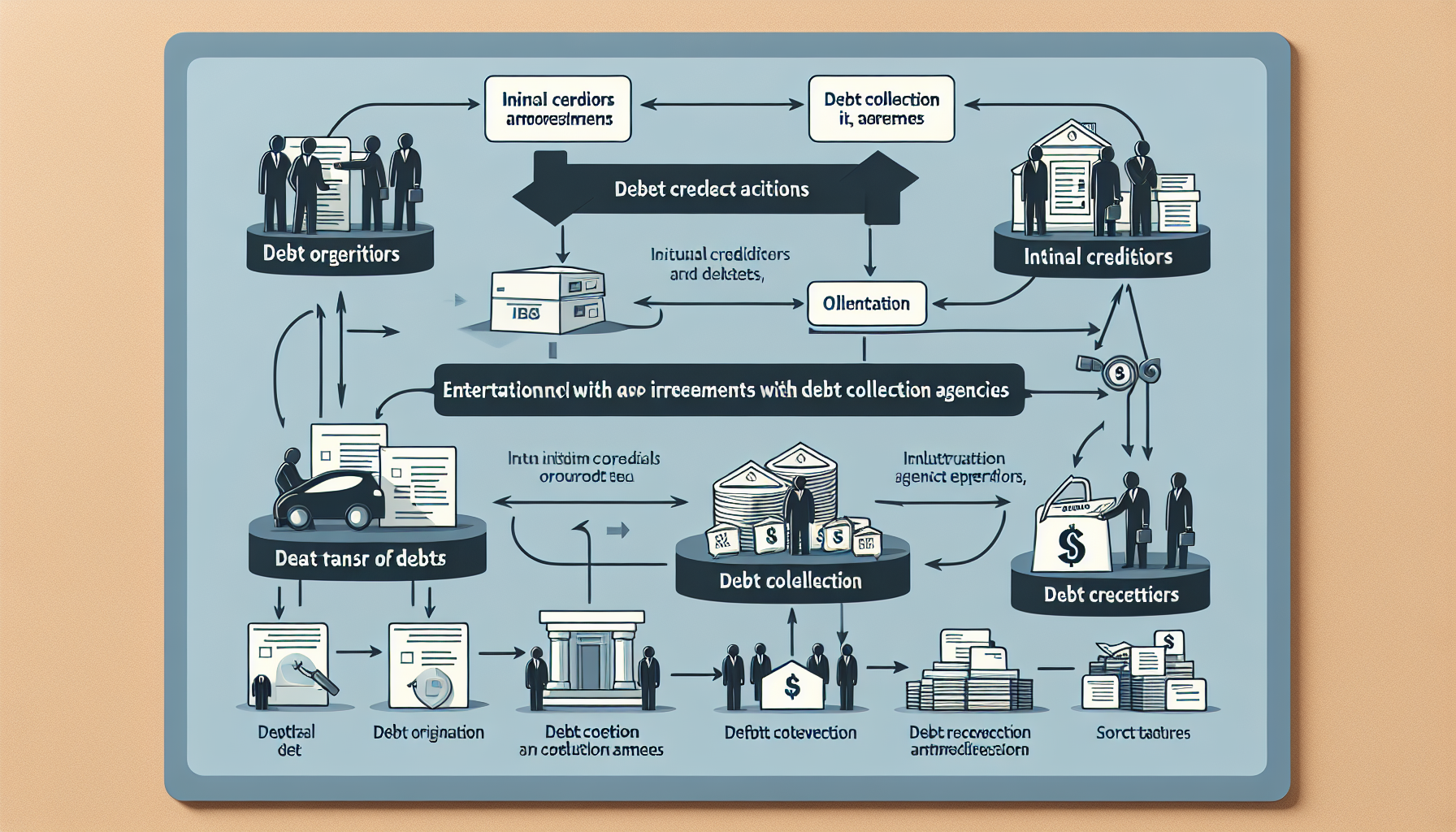
Central Portfolio Control works by purchasing debts from the original creditor or being assigned the task of collecting a debt on their behalf. When they contact you, it’s because they have records indicating you owe a debt. Understanding the relationship between the original creditor and Central Portfolio Control can be helpful. It’s important to confirm that the debt they’re attempting to collect is valid and truly yours.
Communication from Central Portfolio Control might come as a surprise, but it’s crucial to handle it wisely. Requesting verification of the debt is a good first step. This forces them to prove that the debt exists and that you are the one responsible for it. If they can’t provide this proof, they may not be able to legally collect the debt from you.
Lastly, remember that the original creditor has decided that working with a collection agency like Central Portfolio Control is the best way to attempt to recover the debt. This doesn’t mean you have no options or rights. You still have the power to dispute the debt, negotiate a settlement, or seek legal advice if necessary. Understanding your rights in this process is crucial for managing and potentially resolving the debt in a way that’s best for your financial situation.
Navigating FDCPA Regulations and Your Rights
The Fair Debt Collection Practices Act (FDCPA) is a federal law designed to protect consumers from abusive debt collection practices. Understanding these regulations is crucial when dealing with debt collectors. The FDCPA provides a framework of what debt collectors can and cannot do, ensuring that your rights are protected during the debt collection process.
Knowing your rights under the FDCPA can empower you to handle communications with Central Portfolio Control more confidently. If you feel that a debt collector has violated these fair debt collection practices, you have the right to take action. This could include filing a complaint with the Consumer Financial Protection Bureau (CFPB) or seeking legal advice to address any misconduct.
How the FDCPA Shields You from Aggressive Debt Collectors
The FDCPA sets strict guidelines for how debt collectors can behave. For instance, debt collectors are not allowed to harass you, make false statements, or use unfair practices when trying to collect a debt. This protection means that you should not be subjected to early morning or late night calls, nor should you face threats or abusive language.
Additionally, the FDCPA allows you to request that debt collectors stop contacting you through a written “cease communication” letter. While this doesn’t erase any valid debt, it can provide temporary relief from constant calls and letters. Remember, though, that stopping communication doesn’t stop a debt collection lawsuit from potentially being filed against you.
Understanding the protections offered by the FDCPA can also help you identify when debt collectors step out of line. If you believe that Central Portfolio Control or any other debt collector has violated these fair debt collection practices, documenting the behavior is crucial. This documentation can be valuable if you decide to challenge the collector’s actions in court or file a complaint with regulatory authorities.
Utilizing FDCPA Violations to Your Advantage in Court
If you find yourself in court over a debt collection lawsuit, knowing the FDCPA can be a significant advantage. Instances where debt collectors have violated your rights under the FDCPA can be used as part of your defense. Demonstrating these violations can sometimes lead to the case being dismissed or can be used in negotiating a more favorable settlement.
When preparing for court, gathering evidence of any FDCPA violations is critical. This includes keeping records of all communications with the debt collectors, noting any instances of harassment, misrepresentation, or other prohibited practices. This evidence can strengthen your case, showing that the debt collector disregarded your rights.
Lastly, don’t underestimate the importance of legal representation. A consumer bankruptcy law office, like the Law Office of Richard Kistnen in New York City, can provide valuable assistance. They can help interpret the FDCPA, build your defense against debt collectors, and guide you through the legal process. With the right support and knowledge, you can navigate the complexities of debt collection lawsuits more effectively.
Strategic Approaches to Debt Resolution
Resolving debt involves understanding all your options and choosing the best path forward. Whether it’s negotiating a settlement, challenging the debt in court, or exploring bankruptcy, each strategy has its merits. The key is to assess your financial situation carefully and decide which approach aligns with your goals and capabilities.
Engaging with Central Portfolio Control or any debt collector requires a strategic approach. This might involve disputing the debt if you believe it’s not yours, seeking a settlement to pay off the debt for less than the amount claimed, or understanding the implications of different resolutions on your financial health. Each step you take should be informed and deliberate, moving you closer to resolving your debt.
Crafting a Solid Defense Against Debt Lawsuits

If you’re facing a debt collection lawsuit, crafting a solid defense is crucial. Understanding the nature of the lawsuit and the evidence against you allows you to challenge the claim effectively. This might involve questioning the validity of the debt, the amount claimed, or the debt collector’s right to sue.
Additionally, familiarizing yourself with legal procedures and deadlines is essential. Responding promptly to a summons and knowing your rights can make a significant difference in the outcome of your case. Professional legal advice can be invaluable in these situations, guiding you through the process and helping you build a strong defense.
Responding to a Summons: Essential Steps to Take
Receiving a summons for a debt collection lawsuit can be intimidating, but how you respond can significantly impact the case’s outcome. The first step is to carefully review the summons and understand the claims against you. It’s crucial to respond within the given timeframe, as failing to do so could result in a default judgment against you.
When crafting your response, consider challenging the validity of the debt, the amount claimed, or the plaintiff’s authority to sue. This is where documentation, such as proof of payments or correspondence with the debt collectors, becomes crucial. Organizing your evidence and presenting a clear defense can help protect your interests.
Lastly, consider seeking legal advice. A consumer bankruptcy law office like the Law Office of Richard Kistnen can offer guidance on responding to a summons and navigating the lawsuit. Their expertise can help you understand your rights, options, and the best course of action, ensuring you’re well-prepared to defend yourself against the lawsuit.
The Significance of Proof in Debt Ownership
When you’re dealing with debt collections, it’s crucial to know who actually owns your debt. Sometimes, companies like Central Portfolio Control will try to collect, but they need to show they have the right to. This is where proof of debt ownership comes in. If they can’t prove they own your debt, they might not be able to make you pay.
Asking for this proof is your right. It’s like asking someone who says you borrowed money from them to show the IOU note. If they can’t, then there’s a question about whether you owe them anything. This step is important because it helps make sure the company asking for money has a legitimate claim to it.
Demand Verification of Debt from Central Portfolio Control
If you get a call or letter from Central Portfolio Control about a debt, the first thing you should do is ask for verification. This means asking them to prove, in writing, that the debt is yours and that they have the right to collect it. This isn’t being difficult; it’s using your rights to protect yourself.
When you ask for verification, Central Portfolio Control should send you information about the debt, like how much it is, who the original creditor was, and proof that they now own the debt. If they can’t provide this, they may have to stop collection efforts. This step can give you peace of mind and sometimes even make the debt go away if they can’t prove their case.
Remember, asking for verification is a smart move. It doesn’t mean you’re refusing to pay debts that are rightfully yours. Instead, it means you’re making sure that you’re paying the right people for the right debts. This process can also help you avoid paying for something you don’t owe or paying more than you should.
Leveraging the Statute of Limitations as a Defense Strategy
If you’re facing debt collection efforts, it’s crucial to know that every debt has an expiration date, known as the statute of limitations. This is the window of time debt collectors have to sue you to collect. Once this period passes, they can’t take legal action to enforce the debt. Understanding this timeline can provide a strong defense against unwelcome collection attempts.
The length of the statute of limitations varies by state and the type of debt you have. It’s important to verify the specific statute applicable to your situation. If a debt collector tries to sue you after this period has expired, you have the right to challenge the lawsuit in court. Bringing this to the court’s attention could lead to the dismissal of the case.
However, be cautious as certain actions, like making a payment or acknowledging the debt, can reset the statute of limitations. Knowing your rights and the relevant laws can protect you from unnecessary stress and financial strain. Always consult with a professional to explore your options and ensure you’re taking the best steps forward.
The Path to Settling Your Debts with Central Portfolio Control
Settling your debts can feel like navigating a maze, especially when dealing with companies like Central Portfolio Control. The first step towards finding your way out is understanding that debt settlement involves negotiating to pay less than what you owe. It’s a path that requires careful consideration and, often, professional guidance to ensure your financial stability isn’t jeopardized.
When considering debt settlement, it’s vital to assess your financial situation comprehensively. This includes evaluating your income, expenses, and the total amount of debt. With this information, you can approach Central Portfolio Control with a realistic proposal. Remember, the goal is to reach an agreement that alleviates your debt burden while also being manageable within your budget.
Exploring Debt Settlement as a Viable Option
Debt settlement can be a light at the end of the tunnel for many struggling with overwhelming debt. It allows you to negotiate a payment significantly lower than your total debt, offering a chance to clear your name without paying the full amount. This process can be intricate, requiring a clear strategy and sometimes the assistance of a debt settlement company.
Before diving into debt settlement, it’s important to fully understand its implications. This includes how it might affect your credit score and your future financial opportunities. Weighing the pros and cons of debt settlement versus other debt relief options, like consolidation or bankruptcy, is a crucial step in making an informed decision that aligns with your long-term financial goals.
Does a Debt Settlement Halt Central Portfolio Control’s Calls?
One common question is whether entering into a debt settlement agreement will stop the calls from Central Portfolio Control. The answer is yes, but with conditions. Once you enter into a formal debt settlement agreement and begin making payments, the collection calls should cease. This is because the agreement signals to the creditor that you’re taking steps to resolve the debt.
However, it’s essential to ensure that the agreement is documented and that you keep records of all payments made. These documents serve as proof of your commitment to settling the debt, providing protection against further collection efforts. In the absence of such an agreement, debt collectors may continue their attempts to collect.
Remember, while settling your debt can provide relief, it’s crucial to adhere to the agreed payment schedule. Failing to make payments as agreed can nullify the settlement agreement, potentially resuming collection calls and efforts. Always communicate openly with Central Portfolio Control or your debt settlement company to address any issues that may arise.
The Potential Impact of Debt Settlement on Your Credit Report
Debt settlement can offer a way out of financial hardship, but it’s important to understand its impact on your credit report. Initially, settling a debt for less than the full amount owed can negatively affect your credit score. This is because the settlement is often reported as “paid less than owed,” which creditors may view unfavorably.
However, the long-term effect on your credit can be more positive. By settling your debts, you’re taking a crucial step towards financial recovery. Over time, as you continue to manage your finances responsibly and avoid accruing additional debt, your credit score can improve. The mark of the settlement will diminish in its impact, especially if you’re proactive about rebuilding your credit.
It’s also worth noting that the negative impact of a debt settlement on your credit report is typically less severe than the consequences of ongoing unpaid debt or bankruptcy. Each financial situation is unique, so consider consulting with a financial advisor to understand the best path for your circumstances.
Should You Consider Hiring a Debt Settlement Company?
If you’re overwhelmed by the prospect of negotiating with Central Portfolio Control, hiring a debt settlement company might be a beneficial option. These companies have experience dealing with creditors and can often negotiate more favorable terms on your behalf. However, it’s crucial to do thorough research and select a reputable company to avoid scams.
While debt settlement companies can provide valuable assistance, remember that they also charge fees for their services. Weigh the cost against the potential savings from the settlement to ensure it’s a financially sound decision. In some cases, direct negotiation or seeking advice from a consumer advocacy group may be a more cost-effective route.
Evaluating the Risks and Benefits
When considering debt settlement, it’s essential to weigh the risks and benefits carefully. One potential risk is a default judgment if the negotiation process takes too long or if Central Portfolio Control decides to sue for the full amount. Another concern is wage garnishment, which can occur if a court orders part of your income to be directly paid to the creditor.
However, the benefits of a successful debt settlement can significantly outweigh these risks. Reducing the total amount owed can provide much-needed financial relief and help you avoid bankruptcy. It’s a step towards regaining financial stability and rebuilding your credit score over time.
Ultimately, the decision to pursue debt settlement should be based on a comprehensive analysis of your financial situation. Consider consulting with a legal professional or a financial advisor to explore all your options and determine the best course of action for your unique circumstances.
Tools and Resources for Dealing with Central Portfolio Control
Navigating the complexities of debt collection can be daunting, especially when facing aggressive tactics from companies like Central Portfolio Control. Fortunately, there are tools and resources available to help you manage this process more effectively. Understanding your rights and the laws that protect you is the first step toward taking control of your situation.
Additionally, various consumer advocacy groups offer support and guidance to individuals dealing with debt collection issues. These organizations can provide valuable information on how to respond to collection efforts and how to negotiate with debt collectors. Leveraging these resources can empower you to handle your debt more confidently and strategically.
Consumer Advocacy and Support
Consumer advocacy groups play a crucial role in supporting individuals facing debt collection. These organizations offer resources, advice, and sometimes legal assistance to help you navigate the challenges of dealing with collectors. By connecting with these groups, you can gain access to a wealth of knowledge on how to protect your rights and manage your debt effectively.
Engaging with a consumer advocacy group can also provide a sense of community and support, reminding you that you’re not alone in this journey. These groups advocate for fair debt collection practices and can help you understand the best strategies for addressing your specific situation.
Free Debt Analysis: Understanding Your Financial Standing
One valuable tool in managing debt is a free debt analysis. This assessment can help you gain a clear understanding of your debts, including student loans and card debt. By evaluating your financial situation, you can identify the most pressing debts and prioritize your payments accordingly.
A debt analysis can also reveal potential areas for negotiation or settlement, offering a pathway to reducing your overall debt burden. It’s a crucial step in creating a realistic budget and a strategic plan for debt repayment.
Many consumer advocacy groups and financial advisors offer free debt analysis services. Taking advantage of these resources can provide you with the insights needed to make informed decisions about your debt management strategy. Remember, the goal is to find a sustainable solution that allows you to regain financial stability and peace of mind.
How Professional Help Can Make a Difference
When you’re facing the challenge of dealing with Central Portfolio Control and card debt, seeking professional help can significantly change the outcome. Experts in financial management and debt resolution possess the knowledge and tools to navigate the complexities of debt collection. They can offer strategies tailored to your unique financial situation, potentially reducing the amount owed or setting up manageable repayment plans.
Professionals are adept at communicating with debt collectors, understanding your rights under the FDCPA, and ensuring that collectors adhere to legal standards. This not only relieves the stress of dealing with aggressive collection tactics but also safeguards your rights. Furthermore, an experienced advisor can guide you through the process of debt validation, ensuring that any debt claimed by Central Portfolio Control is legitimately yours and accurately stated.
Moreover, having professional guidance can improve your chances of a favorable outcome, whether that’s a successful debt settlement or a solid defense in court. They can help you understand the implications of each step, from negotiating settlements to understanding the potential impacts on your credit report. This comprehensive approach empowers you to make informed decisions, leading towards a path of financial recovery.
Financial Management and Credit Repair
Managing your finances and repairing your credit are crucial steps toward regaining financial stability. Addressing card debt can be overwhelming, but with a structured approach, you can navigate your way out of debt. Start by creating a budget that prioritizes essential expenses and debt repayment. This simple yet effective strategy helps you understand where your money is going and how you can allocate funds more efficiently towards clearing your debts.
Improving your credit score is another critical aspect of financial health. Timely payments, reducing the amount of debt you owe, and correcting any inaccuracies on your credit report can all contribute to a better credit score. Remember, a higher credit score can open up new opportunities for lower interest rates on future loans, making it easier to maintain financial stability.
Steps to Fix Your Credit and Enhance Financial Health
Repairing your credit begins with understanding your current financial situation. Obtain a copy of your credit report and scrutinize it for errors or inaccuracies. Disputing any errors with the credit bureaus can remove them, potentially improving your credit score. Next, focus on reducing your debt-to-income ratio by paying down existing debts, which can also positively affect your credit score.
Dealing with debt collectors is part of the journey to better financial health. If debt collectors are contacting you, know your rights under the Fair Debt Collection Practices Act (FDCPA) and do not hesitate to demand validation of the debt they claim you owe. This not only ensures that you’re paying debts that are rightfully yours but also prevents paying outdated or incorrect debts.
Consider reaching out for professional help if managing your debts and repairing your credit feels overwhelming. Financial advisors and credit counselors can offer personalized advice and strategies to improve your financial situation. They can help negotiate with debt collectors, set up manageable repayment plans, and guide you towards financial stability.
Preparing for Legal Encounters with Central Portfolio Control

When faced with a debt collection lawsuit from Central Portfolio Control, preparing yourself for the legal process is crucial. Understanding the basics of how these lawsuits work can help you respond effectively. It’s important to know the timeline for responding to a lawsuit and what defenses you might have at your disposal. Being proactive and informed about your rights can significantly impact the outcome of your case.
Additionally, gathering all relevant documentation regarding your debt, such as original agreements and payment histories, is essential. This information can be invaluable in building your defense or negotiating a settlement. Remember, knowledge is power, especially when dealing with legal matters related to debt collection.
Key Considerations When You Are Sued for Debt
If you receive a lawsuit notice from Central Portfolio Control, the first step is to stay calm and assess the situation. Verify the details of the debt, including the amount and the creditor. It’s crucial to respond to the lawsuit within the given timeframe; ignoring it can lead to a default judgment against you. Seeking legal advice can provide you with the best course of action, whether it’s challenging the lawsuit, negotiating a settlement, or exploring other debt relief options.
Requesting a debt validation letter is an important step. This document requires the debt collector to prove that the debt is yours and that they have the legal right to collect it. The validation should include the amount of the debt, the name of the original creditor, and information on how you can dispute it if it’s not yours. This can be a powerful tool in your defense, especially if the debt collector cannot provide complete and accurate validation.
Drafting an Effective Answer to a Debt Lawsuit
When responding to a lawsuit from Central Portfolio Control, drafting an effective answer is your first line of defense. Your answer should address each point made in the lawsuit, clearly stating your defense or any disputes to the claims. This is your opportunity to assert any inaccuracies in the amount claimed or to challenge the validity of the debt itself.
Including affirmative defenses, such as the statute of limitations or lack of standing, can also strengthen your case. If the debt collectors have failed to prove they own the debt or if the time to legally collect the debt has passed, these defenses can lead to a dismissal of the case. It’s essential to be thorough and precise in your answer to protect your interests.
Consulting with a legal professional who understands the nuances of debt collection lawsuits can greatly improve your chances of a favorable outcome. They can help you navigate the legal jargon, ensure your answer is filed correctly, and represent you in court if necessary. Their expertise can be invaluable in challenging the claims of debt collectors and securing your financial freedom.
The Importance of All Communication in Writing
When dealing with Central Portfolio Control or any debt collection agencies, ensuring all communication is in writing is crucial. This creates a record of all interactions, which can be invaluable if disputes arise or if you need to prove your case in court. Written communication also allows you to carefully consider your responses and ensures that debt collectors adhere to the legal standards set by the FDCPA.
Additionally, keeping a detailed log of all phone calls, including dates, times, and the substance of the conversations, complements your written records. This level of documentation can strengthen your position, whether you’re disputing the debt, negotiating a settlement, or defending yourself in a lawsuit. Remember, in the realm of debt collection, documented evidence is your strongest ally.
How Documenting Every Interaction Can Be Your Best Defense
Creating a comprehensive record of every interaction with debt collectors and debt collection agencies can significantly impact your ability to defend yourself. Whether it’s letters, emails, or notes from phone conversations, maintaining meticulous records provides evidence that can support your case. This documentation can prove that you requested debt validation, disputed inaccuracies, or were subjected to harassment or violations of the FDCPA.
For instance, if a debt collector continues to contact you after you’ve requested in writing that they cease communication, your records can serve as evidence of this violation. Similarly, if a payment agreement is reached, having it in writing ensures that there’s no confusion about the terms. These records can be crucial in legal proceedings, demonstrating your proactive approach to resolving the situation and protecting your rights.
Investing time in organizing and preserving these documents can make a significant difference in the outcome of your dealings with debt collectors. Whether you’re negotiating a settlement, challenging a debt in court, or filing a complaint for unfair practices, your documented interactions are a powerful tool in asserting your rights and achieving a fair resolution.
Frequently Asked Questions (FAQs) About Central Portfolio Control
Dealing with debt collection can be daunting, and many people have questions about the process and their rights. One common query is whether Central Portfolio Control can sue for debt. The short answer is yes, they can initiate legal proceedings to collect a debt. However, being informed about your rights and the legal process can help you navigate this situation more effectively.
Another frequent question concerns the frequency of Central Portfolio Control’s cases going to court. While not every debt collection effort leads to a lawsuit, it’s essential to take every communication seriously and to understand your options for responding. Engaging with the process early, either by disputing the debt, seeking debt validation, or negotiating a settlement, can sometimes prevent the situation from escalating to court.
Many also wonder about the impact of debt settlement on their credit report. Settling a debt for less than the full amount owed can negatively affect your credit score in the short term, but it also provides a pathway to financial recovery and rebuilding your credit over time. Every financial situation is unique, so it’s important to weigh the pros and cons of debt settlement in the context of your overall financial goals.
Addressing Common Concerns and Queries
Understanding your rights and the debt collection process is vital for anyone dealing with Central Portfolio Control. Questions like “Can Central Portfolio Control sue me?” and inquiries about how often their cases go to court are common among individuals facing debt collection. Knowing that the answer to both is affirmative, the focus should then shift to how you can prepare and respond effectively to protect your interests.
Another area of concern is the impact of debt settlement on one’s credit report. While settling a debt may initially lower your credit score, it can also be a step toward resolving financial difficulties and improving your credit over time. Considering the potential short-term and long-term effects of debt settlement is crucial when making decisions about how to address outstanding debts.
Can Central Portfolio Control Sue Me?
If you’re dealing with Central Portfolio Control, you might be wondering if they can take you to court. The short answer is yes, they can. As a debt collection agency, they have the right to sue you to recover unpaid debts, including credit card debt and medical bills. This step is usually taken as a last resort, after attempts to reach a settlement have failed. If you find yourself facing a lawsuit, it’s crucial to respond and consider seeking legal advice to protect your rights and possibly negotiate a more manageable resolution.
Being sued can be stressful, but knowing your rights is key. When you receive a court summons, don’t ignore it. You have a limited time to respond, and failure to do so could result in a default judgment against you, leading to wage garnishment or other consequences. Engaging with the process and seeking professional help can make a significant difference in the outcome.
Remember, there are specific rules that debt collectors, including Central Portfolio Control, must follow. Familiarizing yourself with these regulations can empower you to stand up for yourself. For example, sending a debt validation letter is a step you can take to ensure the debt they claim you owe is legitimate and accurately recorded.
How Often Do Central Portfolio Control’s Cases Go to Court?
While Central Portfolio Control may threaten legal action, not all cases end up in court. The decision to sue is influenced by various factors, including the size of the debt and the likelihood of recovery. However, it’s less common than their letters and calls might suggest. Many disputes are resolved through negotiations or payment arrangements before reaching the lawsuit stage.
If you’re contacted by Central Portfolio Control, it’s important to engage with them or seek legal advice early on. Prompt action can prevent the situation from escalating to a lawsuit. Understanding your rights under the Fair Debt Collection Practices Act (FDCPA) can also protect you from undue harassment and ensure that any collection efforts are fair and lawful.
For those who do find themselves facing a lawsuit, remember that you’re not alone. Legal resources and consumer advocacy groups can offer support and guidance, helping you to navigate the court process and work towards a favorable resolution. Being proactive and informed can significantly reduce the likelihood of your case going to court.
Additional Tools and Strategies
Dealing with debt collectors, including Central Portfolio Control, can be overwhelming. Fortunately, there are tools and strategies that can help you manage this challenge. First, understanding your rights under the FDCPA is crucial. This knowledge can protect you from aggressive debt collection tactics and ensure fair treatment. Additionally, drafting a cease and desist letter can legally stop debt collectors from contacting you, providing immediate relief from constant calls and letters.
Another effective strategy is to request a debt validation letter. This requires the debt collector to prove that the debt belongs to you and is still collectible. Often, this step can uncover inaccuracies or lead to the discovery that the statute of limitations has expired, providing a strong defense against collection efforts.
Lastly, don’t underestimate the importance of financial education and credit repair. Learning how to manage your finances, negotiate with card companies, and repair your credit can enhance your financial health and prevent future issues. Consider seeking professional help to navigate these processes more effectively, ensuring a stronger financial future.
The Power of Knowledge: Learning More About Debt Collection Tactics
Gaining an understanding of how debt collectors operate can give you an upper hand. For instance, knowing that debt collectors often rely on intimidation to get you to pay—even when the debt is old or not yours—is empowering. Awareness of tactics like these can help you stand your ground and protect your rights.
Equipping yourself with knowledge about the laws that regulate debt collection, such as the FDCPA, can also make a big difference. This act sets limits on what debt collectors can do and say, and knowing these boundaries can help you recognize when they’re being crossed. Armed with this knowledge, you can take steps to defend yourself effectively.
Guides to Outmaneuver Every Debt Collector, Including Central Portfolio Control
Understanding the playbook of debt collectors can significantly level the playing field. Guides and resources tailored to dealing with debt collectors offer strategic advice, from sending a debt validation letter to recognizing when it’s time to issue a cease and desist. These guides emphasize the importance of knowing your rights and using them to your advantage.
For example, if a debt collector like Central Portfolio Control contacts you about an old debt, knowing the statute of limitations can help you decide how to respond. Furthermore, being informed about possible outcomes, such as wage garnishment, allows you to prepare and take preemptive action, like negotiating a payment plan that fits your budget.
Lastly, these guides stress the importance of all communication in writing. Documenting every interaction with debt collectors not only helps you keep track of the conversation but also provides essential evidence if you need to dispute a claim or defend yourself in court. Knowledge truly is power when it comes to dealing with debt collectors, and the right strategies and tools can help you manage and even overcome debt collection challenges.
The Role of Debt Analysis and Professional Guidance
Analyzing your debt and seeking professional guidance are crucial steps toward regaining financial stability. For instance, understanding the specifics of your student loans or card debt is essential, as each type of debt has unique aspects that affect your repayment strategy. A professional can help you prioritize which debts to pay off first, considering interest rates and the impact on your credit score.
Professional guidance becomes invaluable when navigating the complexities of debt management. A knowledgeable advisor can offer strategies tailored to your situation, like negotiating lower interest rates or consolidating multiple debts into a single, manageable payment. This guidance is particularly beneficial if you’re dealing with aggressive debt collectors, helping you understand your rights and the best course of action.
Lastly, a thorough debt analysis can uncover potential savings or more efficient repayment methods you might not have considered. A professional can also help you create a realistic budget that allocates funds for debt repayment while still covering essential living expenses. This balanced approach is vital for long-term financial health and avoiding further debt accumulation.
Navigating Debt Settlement and Negotiation

Debt settlement and negotiation can be a pathway to financial relief if handled correctly. The process starts with a clear understanding of your total debt, including any outstanding student loans and card debt. Knowing exactly what you owe is the first step towards negotiating a settlement that can reduce your debt burden.
When negotiating with creditors or collection agencies like Central Portfolio Control, it’s crucial to communicate clearly and maintain records of all interactions. Propose realistic settlement amounts that you can afford, and don’t commit to a payment plan that’s beyond your financial means. Remember, the goal is to negotiate terms that allow you to settle your debt without further damaging your financial health.
It’s also wise to consider the timing of your negotiations. If you’re able to offer a lump sum payment, creditors may be more willing to settle for a lesser amount. However, navigating these negotiations can be complex, and seeking the advice of a professional can significantly increase your chances of reaching a favorable settlement.
Practical Tips for Negotiating with Central Portfolio Control
When negotiating with Central Portfolio Control, it’s important to stay calm and focused. Start by requesting a detailed statement of your debt to confirm it’s valid and that the amount is accurate. This is crucial because errors can sometimes occur, and you don’t want to pay more than you owe. Also, clearly communicate your financial situation and what you’re realistically able to pay. Being honest about your limitations can lead to more productive negotiations.
Another tip is to always get any agreement in writing before making a payment. This document should outline the terms of your settlement, including the total amount to be paid and the timeline for payment. Having a written agreement protects you and ensures that both parties uphold their end of the deal. It’s a critical step that should not be overlooked.
Understanding the Settlement Payment Process
The settlement payment process begins once you and Central Portfolio Control agree on a reduced amount to settle your debt. First, ensure that the agreement is documented in writing, specifying the settlement amount, due dates, and any other conditions agreed upon. This agreement serves as your safeguard, confirming the terms and protecting you from potential disputes.
Next, consider your payment options. Some people opt for a lump sum payment because it can lead to a larger reduction in the overall debt amount. However, if a lump sum isn’t feasible, you might arrange for installment payments. Whichever method you choose, ensure it’s one you can adhere to without fail. Missing a payment could void the settlement agreement, leaving you back at square one.
Finally, after completing your settlement payments, request a letter from Central Portfolio Control confirming that your debt has been settled in full. This letter is crucial for updating your credit report and verifying that the debt is no longer outstanding. Keep this document in your records as proof of settlement, safeguarding your financial future.
Identifying When to Seek Professional Debt Settlement Help
Deciding to seek professional debt settlement help is a pivotal step in regaining financial control. If you’re juggling multiple card debts, facing wage garnishment, or overwhelmed by medical bills, it may be time to consider expert assistance. Professional debt settlement can offer structured plans to negotiate with card companies and debt collectors, potentially reducing the amount you owe.
Another key moment to seek help is if you’re consistently receiving phone calls from a debt collection agency, and you’re unsure how to respond or negotiate. Professionals in debt settlement are adept at navigating these conversations, ensuring your rights are protected under laws like the Fair Debt Collection Practices Act (FDCPA).
Lastly, if you’ve sent a debt validation letter and are still not satisfied with the responses, or if the stress of debt management is impacting your daily life, it’s time to reach out. A professional can provide clarity, negotiate on your behalf, and help you chart a path forward, away from the constant worry over debts.
Achieving Victory Over Debt

Victory over debt isn’t just a distant dream; it’s a reality for those who tackle their financial challenges head-on. By understanding your rights, especially under the FDCPA, you can shield yourself from aggressive debt collectors. Empowering yourself with knowledge about the debt collection process and your rights can significantly change the outcome of your debt situation.
Creating a strategic plan to address your debts, whether through negotiation, settlement, or another method, is crucial. Engaging with debt settlement professionals or utilizing resources designed to help you manage or dispute your debts effectively can lead to significant victories, including reduced debt amounts or even having debts dismissed entirely.
Remember, achieving victory over debt requires patience, persistence, and the right strategies. By staying informed, proactive, and possibly seeking professional guidance, you can navigate the challenges of debt collection and emerge financially stronger. Victory entails not just settling debts but also rebuilding your financial health for a secure future.
How Some Individuals Have Successfully Fought Back
Many individuals have turned the tide against overwhelming debt by taking informed and assertive actions. For instance, sending a cease and desist letter to halt the relentless phone calls from debt collectors, and demanding debt validation letters to ensure the debt’s legitimacy, have been effective first steps for some.
Others have found success by leveraging the statute of limitations on their debt, effectively making it uncollectible in court. This approach requires a deep understanding of your state’s laws and can sometimes lead to a complete dismissal of the debt if the collection agency cannot prove ownership or if the debt is too old.
Additionally, engaging in debt settlement negotiations has enabled many to significantly reduce their debt. By understanding their financial rights and options, individuals have managed to negotiate terms that favor their financial recovery, turning daunting debts into manageable payments.
Empowering Yourself in the Face of Debt Collection
When facing debt collection, empowerment comes from knowledge and action. Understanding the ins and outs of the debt collection process, your rights under the FDCPA, and the tactics used by debt collectors helps build a strong defense against undue pressure and harassment.
Equally important is the need to stay proactive. Responding promptly to communications from debt collectors, verifying debt claims, and seeking professional advice when necessary are crucial steps. Ignoring the problem won’t make it disappear; it requires a proactive approach to find solutions.
Lastly, don’t underestimate the power of a well-drafted debt validation letter or the impact of negotiating a payment plan. These are tangible tools at your disposal to manage or even reduce your debt. Remember, you have rights and options, no matter how dire the situation may seem.
The Importance of Staying Informed and Proactive
Staying informed about your debts, the collection process, and your rights is the first line of defense against aggressive debt collection tactics. Knowledge about how to respond to debt collectors, the significance of a debt validation letter, and your rights to dispute inaccurate debts can make a significant difference in managing debt collection effectively.
Being proactive means not waiting for the debt collectors to dictate the terms. It’s about taking charge of your financial situation, whether it’s by negotiating directly with card companies or seeking a debt settlement. Proactivity also involves educating yourself on financial management practices to prevent future debt accumulation.
Remember, the debt collection landscape is navigable with the right information and actions. By staying informed and proactive, you can protect your rights, negotiate your debts, and work towards financial freedom with confidence.
Resources and Support Systems Available to Debtors
Many resources and support systems are available to help you navigate the complexities of debt collection. Non-profit credit counseling agencies can provide free or low-cost advice on managing your debts and dealing with debt collectors. They can help you understand your financial situation and offer strategies for repayment or settlement.
Legal aid organizations can be invaluable if you’re facing lawsuits from debt collectors. They offer guidance on your legal rights, how to respond to a lawsuit, and can sometimes represent you in court. Websites and forums dedicated to consumer rights are also a treasure trove of information and peer support.
Remember, you don’t have to face debt collection alone. From professional debt settlement services to consumer advocacy groups, there’s a range of support available to help you manage your debts, defend your rights, and regain your financial footing.
Final Reflections: Turning Knowledge into Power Against Central Portfolio Control

Confronting debt collection, especially from agencies like Central Portfolio Control, can be daunting. However, arming yourself with knowledge and utilizing the right resources can transform this challenge into an opportunity for financial recovery. Understanding your rights and the tactics that debt collectors may use is crucial.
Taking decisive actions, such as drafting a debt validation letter, knowing when to send a cease and desist, or negotiating a settlement, empowers you to stand firm against undue pressure. Remember, each phone call from a collector is an opportunity to assert your rights and work towards a solution that benefits your financial future.
Ultimately, the journey from debt to financial freedom is paved with informed choices, proactive strategies, and the support of professionals and peers alike. By leveraging the knowledge and resources available, you can navigate the complexities of debt collection with confidence and achieve victory over your debts.
Recap of Essential Strategies and Resources
Successfully managing debt collection requires a multi-faceted approach. First, understanding the role and tactics of debt collectors gives you the foundation to protect your rights effectively. Knowing that you can demand a debt validation letter to verify any claimed debt is a powerful tool in your arsenal.
Additionally, familiarizing yourself with the practices of debt collection agencies helps in preparing a strategic response to their attempts. This might include negotiating settlements for medical bills or navigating the legalities of card debt collection. It’s about knowing when and how to push back.
Lastly, leveraging the resources available to you, such as consumer advocacy groups, legal aid, and professional debt settlement services, can provide the support needed to tackle debt head-on. Whether it’s through education, negotiation, or legal defense, these resources empower you to take control of your financial destiny.
Encouraging Proactivity and Diligence in Debt Management
Managing debt can feel overwhelming, especially if you’re facing persistent calls or letters from Central Portfolio Control. It’s crucial, however, to remember the power of taking action early. By being proactive, you not only protect your mental peace but also open up avenues for managing your debts more effectively. Understanding your rights under fair credit reporting can also empower you to ensure that your credit report is accurate and fair, reflecting your true financial situation.
Delaying action or ignoring the situation can lead to increased stress and potentially more complicated financial issues down the line. It’s important to remember that solutions are available, and seeking professional guidance can provide clarity and a path forward. The Law Office of Richard Kistnen is committed to helping you navigate these challenges, offering support in understanding your options, including the possibility of filing for bankruptcy as a means to a fresh financial start.
If you’re feeling overwhelmed by debt and unsure of your next steps, let’s talk. Contact the Law Office of Richard Kistnen today by calling (718) 738-2324 or by booking your complimentary, no obligation virtual bankruptcy consultation right now. Taking this step could be your first move towards regaining control of your financial future, and we’re here to guide you every step of the way.