
Unifin Debt Collector: Who Are They and What Do They Do

Dealing with debt can feel overwhelming, especially when you’re contacted by a debt collection agency like Unifin. It’s important to understand that you have rights and options. In this guide, we’ll walk through the steps to take if Unifin reaches out to you, how to verify the debt they claim you owe, and the strategies you can employ to negotiate or dispute the debt. Knowledge is power, and understanding your situation is the first step to regaining control of your financial health.

Being contacted by a debt collector can be a stressful experience. However, it’s crucial to approach the situation calmly and informed. Whether it’s about a student loan, credit card debt, or any other financial obligation, understanding the nature of your debt and who Unifin is will help you navigate through the process more effectively. This guide aims to empower you with the knowledge and tools you need to confidently address your debt situation with Unifin.
Remember, every situation is unique, and while this guide provides a general overview and strategies, your circumstances may require specific advice. It’s always a good idea to consider consulting with a legal professional who can provide personalized guidance based on your individual situation. Let’s explore how you can tackle debt collection and negotiation with Unifin, aiming for a resolution that works best for you.
Understanding Unifin and Its Operations
Unifin is a company that specializes in collecting debts. It might reach out to you because it believes you owe money. Unifin works with different companies to collect money that people have not paid back. If you hear from Unifin, it’s because they have been hired to try and get the money that is owed.
What Is Unifin, Inc?
Unifin, Inc is a business that deals with collecting money that people owe. It’s like a helper for other companies that want to get back money they lent out. Unifin steps in to contact people who haven’t paid their bills. They work with many types of debts, including those from credit cards and loans.
The Legitimacy of Unifin
It’s natural to wonder if Unifin is a real company or a scam. Rest assured, Unifin is a legitimate debt collection agency. They follow rules set by the government on how to collect money. But, if they contact you, it’s important to make sure the debt they’re talking about really is yours. This helps protect you from any mistakes or fraud.
Why Unifin Might Be Contacting You
If Unifin contacts you, it’s likely because they believe you owe money. This could be for a student loan, a bill from a credit card, or money borrowed from another company. Unifin is a debt collector, which means their job is to get people to pay back what they owe. They work for the original creditor, the company that first gave you the money or credit.
The Initial Steps to Take Upon Contact by Unifin

When Unifin has contacted you, the first step is to stay calm. It’s important to understand that you have rights. You should start by asking Unifin to prove the debt is yours. This means they need to show you documents that explain why they think you owe money. This is your right, and it helps make sure the debt is correct.
Verifying the Debt’s Validity
Asking Unifin to verify the debt is an important step. It means you’re making sure the debt they’re talking about is actually yours. This helps protect you from any mistakes or from paying money you don’t really owe.
Sending a Debt Verification Letter

After Unifin has contacted you, you can send them a debt verification letter. This letter is a way to ask Unifin to prove that the debt is yours. The letter should ask for details about the debt, like how much it is and where it came from. This is a step that helps you understand more about why they’re contacting you. It also makes sure that they have the right to ask you for the money.
Upsolve Member Experiences
Many people have dealt with Unifin and similar situations. By sharing their experiences, they help others understand what to expect. Some people have successfully verified their debts and worked out how to pay them back. Others have found mistakes and didn’t have to pay. Listening to their stories can give you ideas on how to handle your own situation with Unifin.
Exploring Your Options With Unifin
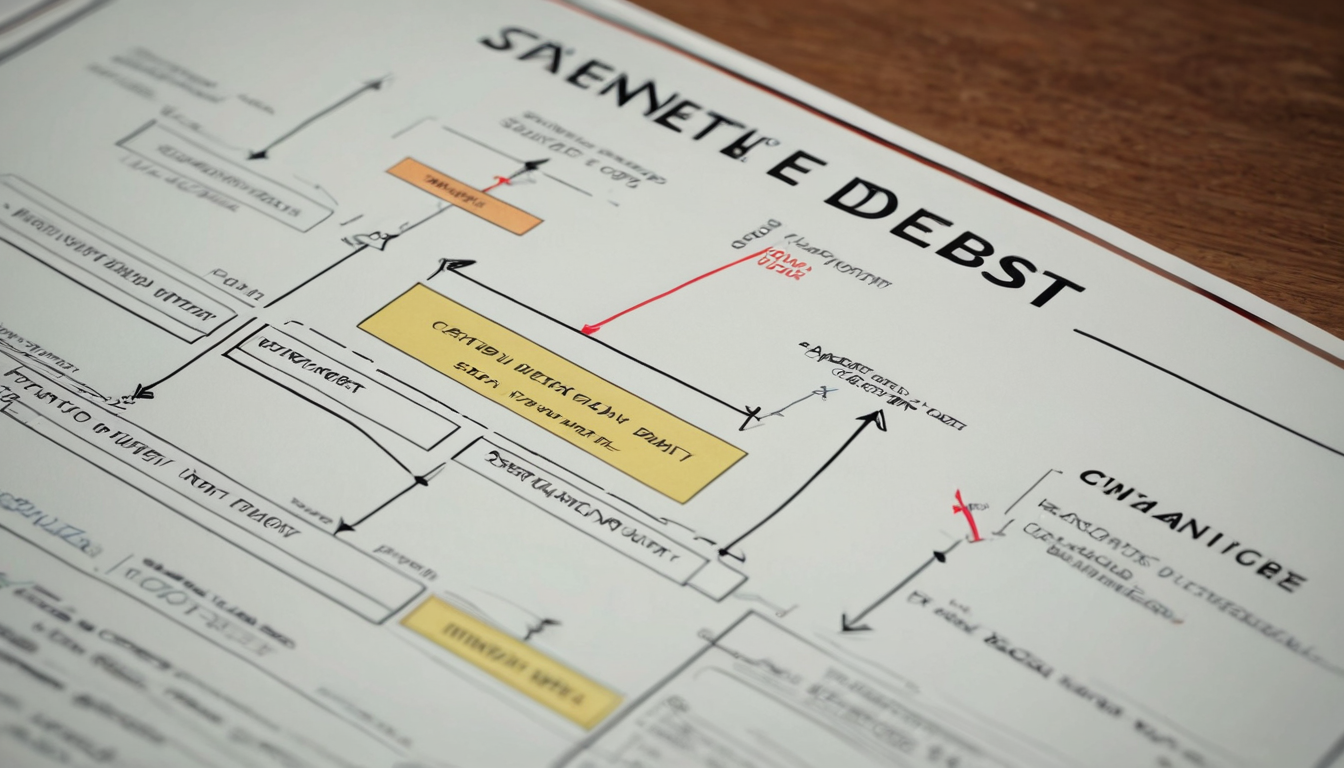
Once you know more about the debt Unifin is talking about, you can decide what to do next. There are different ways to handle the situation, depending on what’s right for you. You might decide to pay the debt, dispute it, or even negotiate to pay less than what they say you owe.
Option 1: Dispute the Debt

If you think the debt isn’t yours, or the details of the debt are wrong, you can dispute it. This means you tell Unifin why you believe the debt isn’t correct. Sometimes, debts can be mixed up or the result of identity theft. Disputing the debt is your right, and it’s an important step if you find errors or if the debt isn’t yours.
Option 2: Strategizing a Debt Settlement

Sometimes, you might decide to negotiate with Unifin to settle the debt for less than what they say you owe. This is known as settling for pennies on the dollar. It can be a way to manage a debt that’s too big to pay back all at once.
Can You Negotiate Every Past-Due Debt?
Not every debt can be negotiated. Some companies might not agree to settle for less than you owe. It depends on the type of debt and the company’s policies. But, in many cases, there’s a chance to negotiate, especially with debts that have been unpaid for a long time.
The Process of Making a Settlement Offer to Unifin
Making a settlement offer means you suggest paying a smaller amount than the total debt. When you do this, it’s important to explain your financial situation to Unifin. You should also decide how much you can realistically pay. If Unifin agrees, they’ll stop asking for the rest of the money. This can be a good way to handle a debt if you can’t pay the full amount.
Option 3: The Risks of Ignoring the Debt

Choosing not to respond to Unifin might seem like an easy way out, but it can lead to more problems. If you ignore the debt, Unifin might take legal action to get the money. This could make things harder for you in the long run. It’s better to deal with the debt by verifying it, disputing it, or negotiating a settlement.
Consequences of Not Responding to Unifin
If Unifin has contacted you about a debt and you don’t respond, things could get tougher. Ignoring their messages can lead to increased attempts to collect the debt, including more calls and letters. If this continues, Unifin might decide to take legal action against you. This means they could sue you for the debt. If it goes that far and you still don’t respond, the court might order you to pay the debt. This could impact your credit score badly, making it harder for you to borrow money in the future.
The Possibility of Legal Action by Unifin

When dealing with Unifin, it’s important to know that they can take legal action if you ignore your debt. This means they might sue you to recover the money you owe. A lawsuit can lead to wage garnishment, where part of your paycheck is taken to pay off your debt. It can also result in a lien against your property, which makes it hard for you to sell it without paying off the debt first.
Understanding If and When Unifin Decides to Sue
Unifin might decide to sue if they can’t get you to pay your debt in other ways. They usually go through several steps first, like sending letters and calling you. If you don’t respond or agree to a payment plan, and if the amount you owe is worth the legal costs, they might file a lawsuit. Knowing the signs that a lawsuit might be coming can give you time to prepare or reach out to them to settle the debt before it goes to court.
Responding to a Debt Lawsuit From Unifin
If you find yourself facing a lawsuit from Unifin, it’s critical to respond. Ignoring a lawsuit won’t make it go away and can lead to a default judgment against you. This means Unifin wins the case because you didn’t respond, and they can take steps to collect the debt, like garnishing your wages. Responding gives you a chance to defend yourself or negotiate a settlement.
Step 1: Reviewing the Summons and Complaint Thoroughly
When you receive a summons and complaint from Unifin, it’s important to read them carefully. The summons tells you that you’re being sued and gives you information on how much time you have to respond. The complaint lists the reasons Unifin is suing you, like not paying a debt. Understanding these documents helps you know what you’re up against and prepares you for the next steps, like filing an answer with the court.
Step 2: Completing and Filing an Answer Form
After reviewing the summons and complaint, the next step is to complete and file an answer form with the court. This form is your chance to respond to Unifin’s claims. You can agree with, disagree with, or say you don’t know about each part of their complaint. Filing this form on time is crucial. If you don’t, Unifin might win the case without you having a say. This step is your first action in defending yourself against the lawsuit.
Negotiating a Debt Settlement With Unifin: A Step-By-Step Guide

Negotiating a settlement with Unifin might be a good way to handle your debt. This process involves talking to Unifin to agree on an amount that’s less than what you owe. If you both agree, you pay that amount, and the rest of your debt is forgiven. This can be a helpful option if you’re unable to pay the full amount you owe.
Step 1: Confirming the Debt Amount
Before you start negotiating, make sure the debt Unifin is contacting you about is valid. You can do this by sending a debt validation letter. This letter asks Unifin to prove that the debt is yours and that the amount they say you owe is correct. It’s a good first step because it makes sure you’re not paying a debt you don’t owe or more than you should. If Unifin can’t prove the debt, you might not have to pay it.
Step 2: Assessing Your Payment Capabilities
After confirming the debt, it’s time to look at your finances to see how much you can afford to pay. This means checking how much money you have coming in and going out each month. Think about what you can pay without causing hardship to your daily life. It’s also a good time to dispute the debt or verify the details of the debt if something doesn’t seem right. Knowing what you can pay helps you make a realistic settlement offer to Unifin.
Considering a Payment Plan in Your Settlement
When negotiating a settlement with Unifin, you might want to consider a payment plan. This is an agreement where you pay the settled amount in smaller, more manageable payments over time. It can be a good option if you can’t afford to pay the whole amount at once. Make sure the payment plan fits your budget and that you understand all the terms before agreeing. This way, you can settle your debt without putting too much strain on your finances.
Step 3: Finalizing a Settlement Offer

Once you’ve figured out how much you can pay, it’s time to make your settlement offer to Unifin. This step involves contacting them and presenting your offer. Be clear about what you can afford to pay and be prepared to negotiate. If Unifin accepts your offer, ask them to send you the agreement in writing. Having everything documented is important to make sure both sides keep their promises.
Negotiating Beyond the Amount: The Complete Package
When you negotiate a settlement, remember it’s not just about agreeing on an amount. You should also discuss how the settlement will be reported to credit bureaus and ensure that the debt won’t be transferred to another collector. Having these details in your agreement helps protect your credit score and makes sure the debt is fully resolved. A good settlement is one that takes care of the whole package, not just the money.
Defense Strategies Against Unifin in Court
If you end up in court with Unifin, having a strong defense strategy is key. This might involve challenging the validity of the debt, questioning Unifin’s right to sue, or showing that you’ve already paid the debt. Each case is different, so understanding your specific situation and rights can help you build a solid defense. It’s a good idea to seek legal advice to ensure you’re taking the best approach.
Preparing Your Defense
Getting ready to defend yourself against Unifin in court involves gathering evidence and understanding the laws that apply to your case. This includes any documents related to your debt, like payment records or correspondence with Unifin. Knowing the details of your debt and any legal protections you have can make a big difference in court. Preparing well gives you a better chance of a favorable outcome.
Filing the Answer With the Court and Serving the Plaintiff
After preparing your defense, you’ll need to file an answer to the lawsuit with the court. This document should respond to Unifin’s claims and outline any defenses you have. Once the answer is filed, you must also serve a copy to Unifin, following the court’s rules. This step officially notifies them that you’re contesting the lawsuit and sets the stage for your defense in court. It’s an important part of protecting your rights and fighting back against the debt claim.
Concluding Thoughts on Dealing With Unifin

Understanding that the process varies when you negotiate a debt settlement with Unifin, it’s crucial to approach this with knowledge and confidence. Remember, Unifin’s debt collection practices are governed by laws designed to protect you. By staying informed and proactive, you can navigate this journey more smoothly, ensuring that you make decisions that are best for your financial health. Taking the right steps towards resolving your debt can lead to a more secure financial future.
Taking Control of Your Financial Situation
If you’re struggling to keep up with your debts and considering filing bankruptcy, it’s important not to delay any longer. Contact the Law Office of Richard Kistnen by calling (718) 738-2324 or booking your complimentary, no obligation virtual bankruptcy consultation by clicking the link. We’re here to help you take control of your financial situation, guiding you towards a path of financial stability and peace of mind.