
What First-Time Homebuyers Need to Know About NYC Real Estate Taxes

Navigating the landscape of New York City real estate taxes can seem daunting at first. However, understanding city taxes and how they apply to York City real estate is crucial, whether you’re purchasing your primary residence or investing in property. In the United States, real estate taxes are a significant aspect of homeownership, and New York City is no exception. This guide aims to demystify the complexities of NYC’s real estate tax system to help you make informed decisions.

Real estate taxes fund essential services in the city, including public education, infrastructure, and safety services. For those owning property in New York City, whether it’s your primary residence or an investment, being knowledgeable about how these taxes are calculated and applied is key to managing your property’s financials effectively. Let’s dive into the basics of NYC real estate taxes, understanding the structure, rates, and key components that influence your tax bill.
Understanding the Basics of New York Property Tax
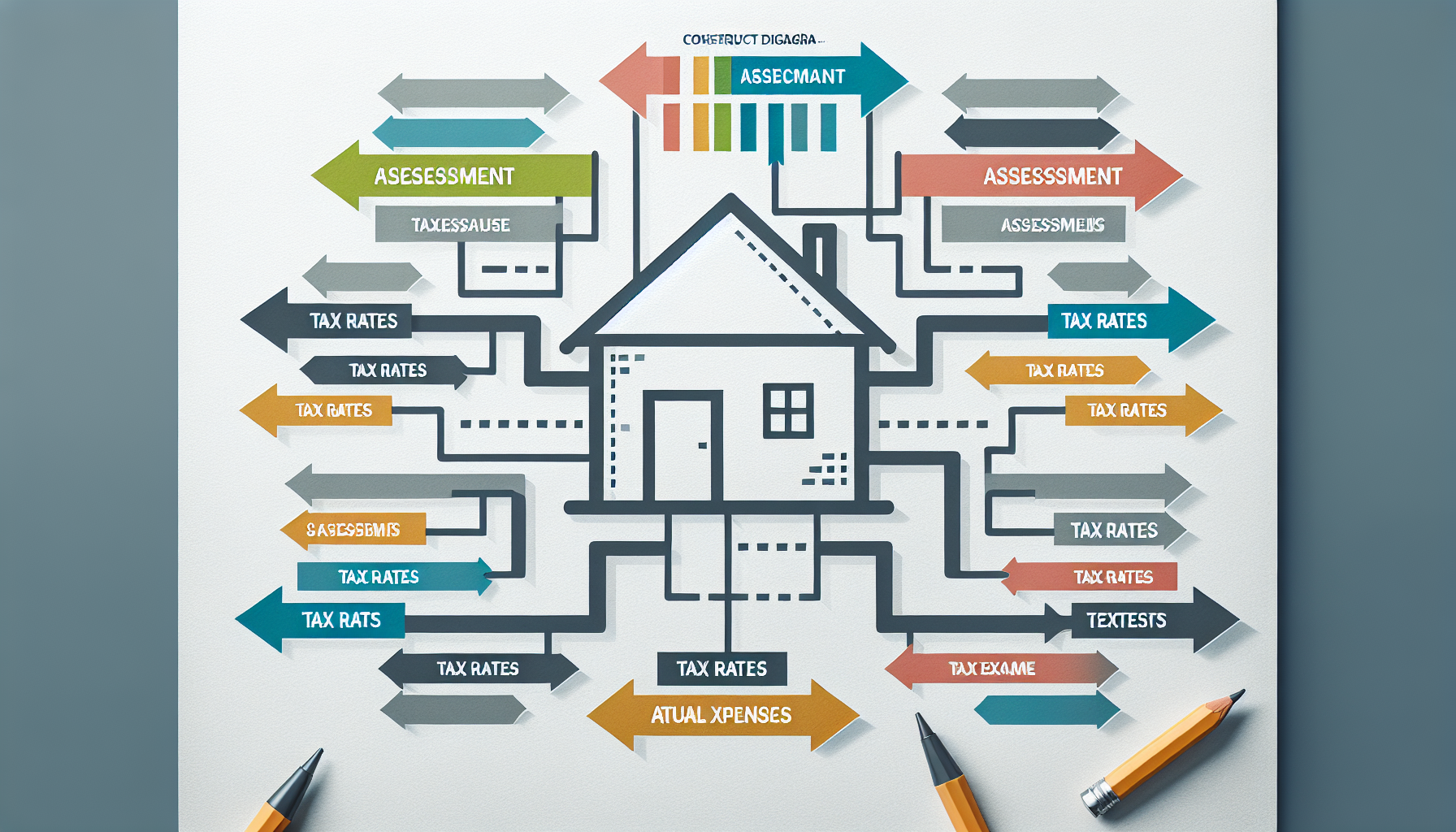
At the core of NYC real estate taxes are the city taxes, which are a pivotal part of owning property in one of the busiest cities in the United States. Whether it’s your primary residence or an investment in York City real estate, grasping the basics of how these taxes are structured and what they mean for you is the first step in effective property management. These taxes not only affect your annual expenses but also play a significant role in the overall value and profitability of your property in New York City.
The Structure of Property Taxes in New York City
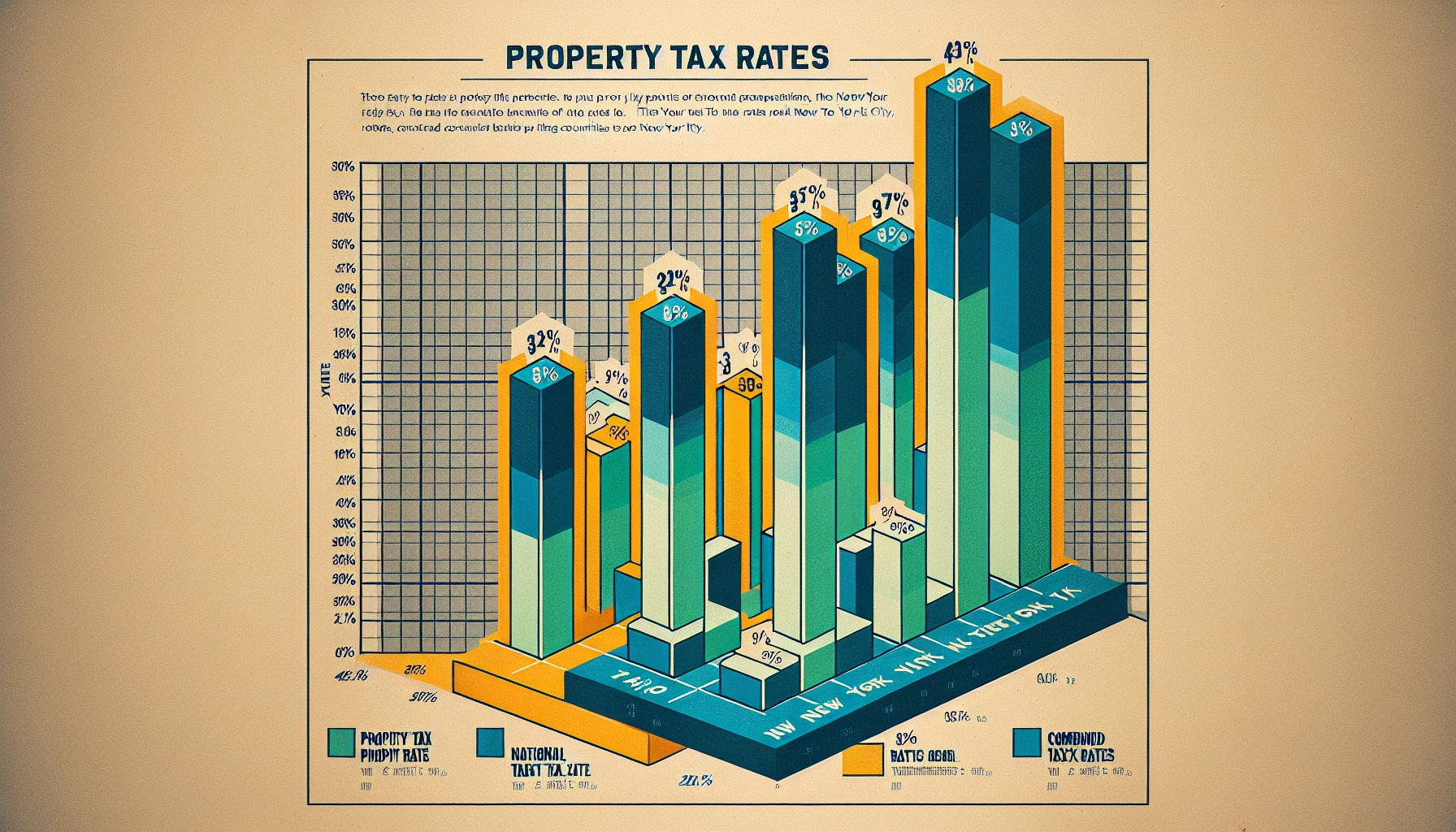
The effective property tax rate in New York City is a critical figure that reflects how much owners pay in comparison to the national average. Understanding these property tax rates is essential for any property owner in the city.
How NYC’s Property Tax Rates Are Determined
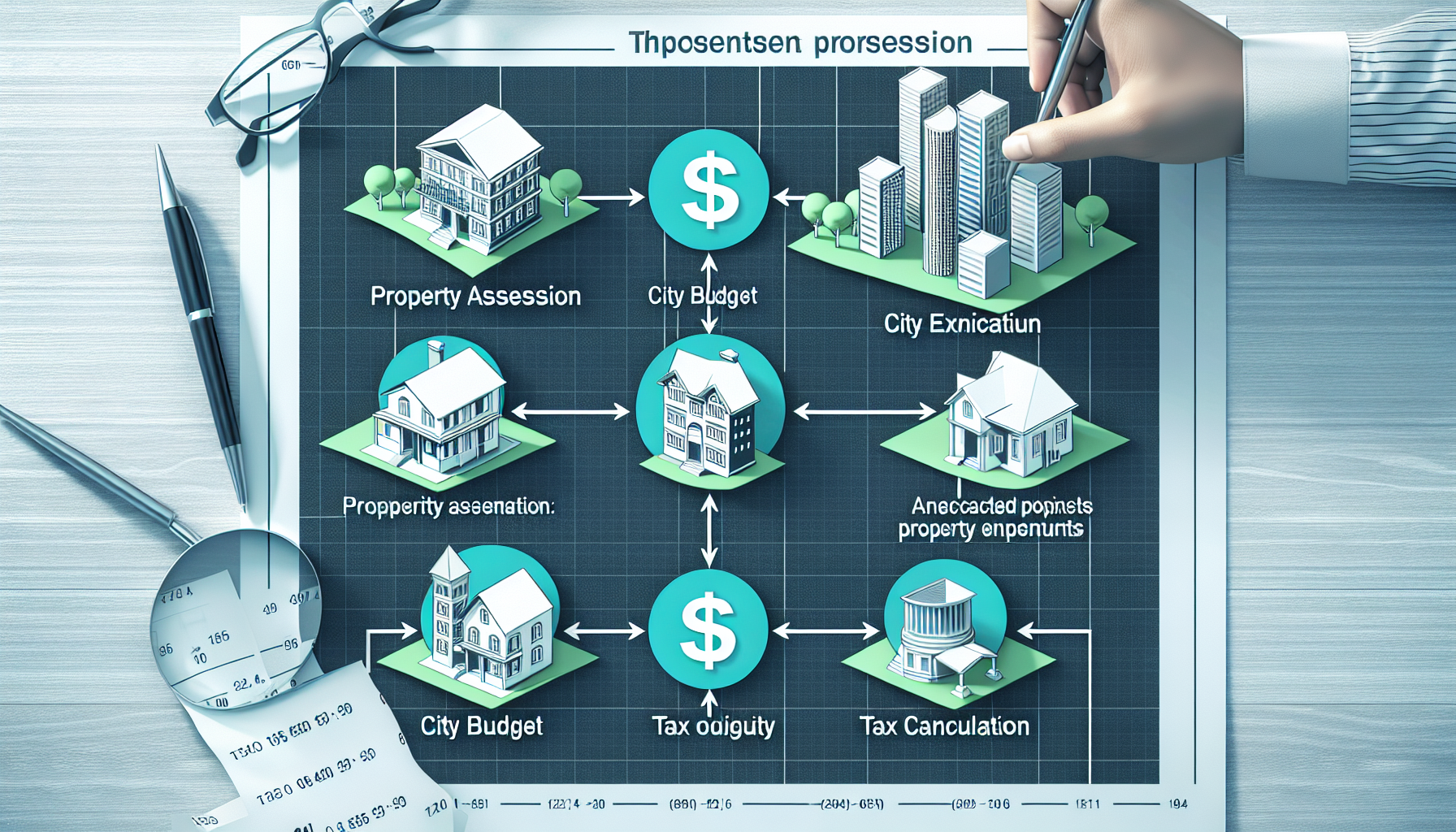
Increases in property taxes in New York City are determined through a combination of property assessments and budget needs. This system ensures that the city can fund essential services while also managing the growth of property taxes year over year.
Key Differences Between Commercial and Residential Tax Rates

Commercial and residential tax rates in New York City vary significantly due to differences in assessment processes and intended use. Understanding these differences is crucial for property owners to navigate increases in property taxes effectively.
Key Components Influencing Your Tax Bill
Several factors influence how taxes are calculated for your property in New York City, including the property’s assessed value, its classification, and applicable tax rates.
Assessing Property Values in New York
The process of assessing property values is the foundation for determining your real estate taxes in New York City. The assessed value is a percentage of the estimated market value of the property, the percentage being determined by tax class NYC gives your property.
The Role of Assessed Values in Calculating Your Taxes
Assessed values play a pivotal role in calculating your property taxes, serving as the basis for what you owe each year. Understanding how these values are determined can help you anticipate and manage your tax liabilities.
Tax Exemptions and Benefits for Property Owners
Property tax exemptions, such as the STAR exemption, offer significant savings for eligible property owners, including senior citizens, reducing their annual tax liability. Governments and school districts also provide various tax abatements, directly impacting your tax bill.
Understanding Tax Exemptions: Who Qualifies and How to Apply

Navigating the world of property tax exemptions in New York City, including qualifications for the STAR exemption, benefits for senior citizens, and opportunities for tax abatements from governments and school districts, can significantly reduce your annual tax liability. Learning how to apply for these exemptions can offer substantial financial relief.
Breakdown of Property Tax Rates Across New York Counties
The county tax plays a significant role in the overall tax burden for property owners in New York, with rates varying across different counties.
Comparing Tax Rates: NYC vs. Surrounding Counties
Understanding how New York City’s tax rates compare to those of surrounding counties can provide insight into the broader tax landscape.
Suffolk, Nassau, Westchester, Erie, and Monroe County Tax Insights
In comparison to the national average, the effective property tax rate in counties such as Suffolk, Nassau, and Westchester differs, impacting the revenue from property taxes. This variance is crucial for property owners in Upstate New York to understand.
Navigating the Waters of NYC Transfer Taxes
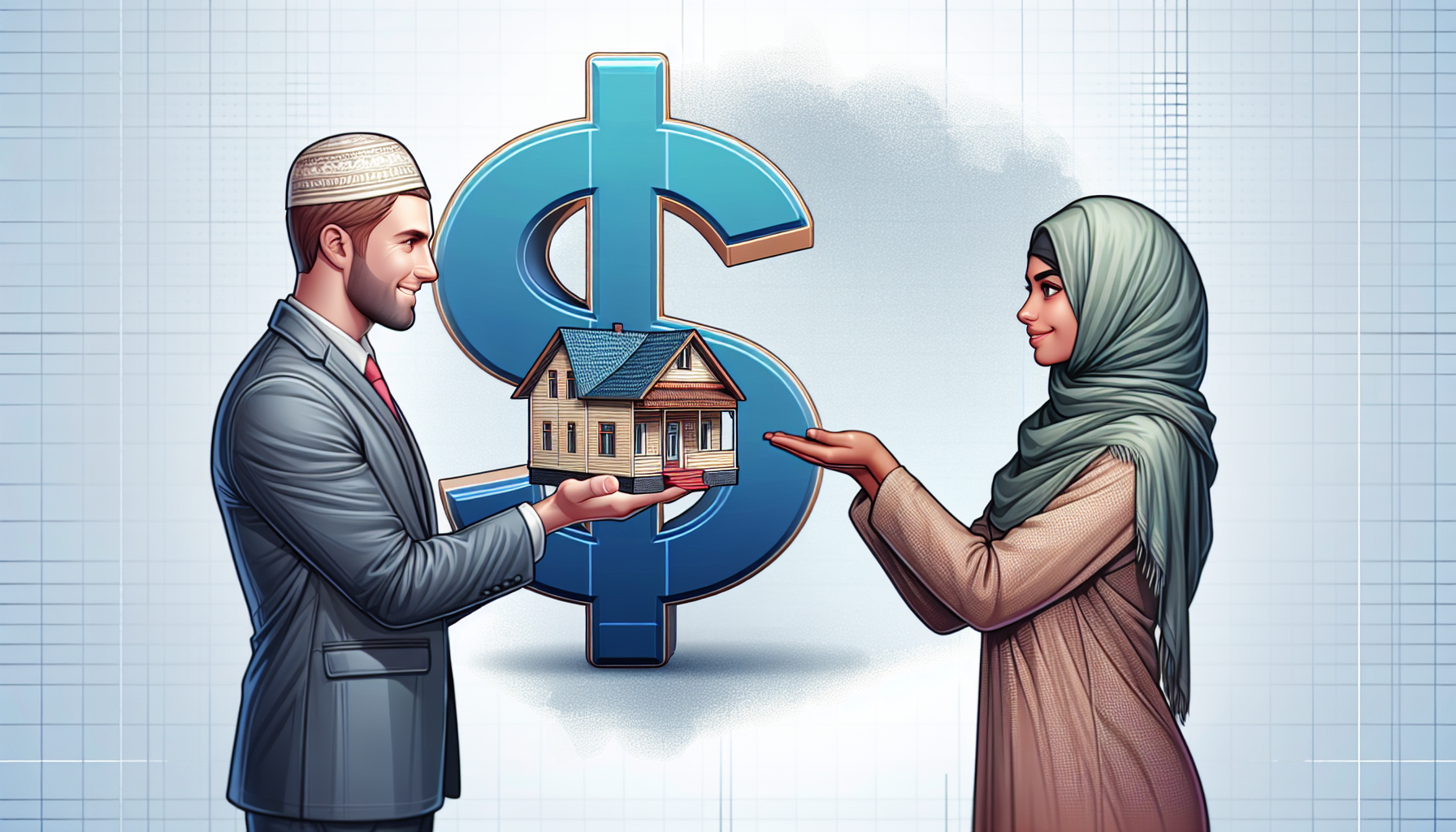
Understanding the implications of real property transfer taxes is key for anyone involved in selling property in New York City, as these taxes can affect the total cost of the transaction.
New York City Transfer Tax: What Sellers Need to Know
For sellers in New York City, being aware of the city’s transfer tax requirements is essential for a smooth and compliant real estate transaction. Sellers are generally responsible for paying the transfer taxes (unless they qualify for an exemption, or often in the case of new construction, the transfer tax will be pushed to the buyer).
New York State Transfer Tax: An Overview for Buyers and Sellers
When you’re buying or selling property in New York State, there’s a special tax called the transfer tax that comes into play. It’s a fee that gets paid to the state whenever property changes hands. Think of it as the state’s way of saying, “Thanks for doing business here.” Both buyers and sellers need to know about this tax because it affects the total cost of the transaction. Sellers usually handle this tax, but sometimes the buyer might agree to take care of it. It’s all about what you agree on during the sale.
The Impact of Property Taxes on NYC Real Estate

Property taxes are a big deal in New York City. They help pay for important stuff like schools, roads, and firefighters. But they also make owning property pretty expensive. Every year, the city looks at what buildings and land are worth and sends out a tax bill based on those values. If the city thinks properties are worth more, tax bills go up. This makes it harder for some people to afford their homes or businesses.
How Property Taxes Affect Homeownership Costs in New York City
In New York City, owning a home isn’t just about paying your mortgage. You also have to think about property taxes. The city sets property tax rates and looks at how much homes are worth to figure out your tax bill. There are some breaks, like the veterans exemption and the disabled homeowners exemption, that can help lower your taxes. But overall, property taxes add a lot to the cost of having a home in the city, especially in places like Staten Island where more than 2 million people live. It’s important to remember this when you’re looking to buy, as it affects how much you can afford.
The Influence of Tax Rates on Real Estate Market Trends in New York
Tax rates play a big role in New York’s real estate market. When taxes go up, it can make owning property more expensive. This can lead to people selling their homes or businesses because they can’t afford the higher taxes. A good law firm can sometimes help lower these tax costs. By asking for a tax reduction, property owners can sometimes save money. This is important for keeping the real estate market healthy and making sure people can afford to live and work in New York.
Legal Framework and Constitutional Standards
New York has a rule called the tax cap. This rule tries to keep property taxes from going up too fast. It’s there to help make sure that people can afford to stay in their homes and that businesses aren’t pushed out by high taxes. The tax cap is part of New York’s efforts to balance the need for public services with the ability of residents and business owners to pay for those services.
Understanding New York’s Property Tax Laws
Taxes are calculated using something called the assessment roll. This is a list that shows the value of all the properties in the city. Then, the city decides how much money it needs, which is called the tax levy. New York City has some of the highest property taxes because it needs lots of money to pay for things like schools and roads. The city’s property tax brings in over $0 billion each year. The city also tries to make sure taxes are fair by looking at how much property values go up each year.
The Balance Between Taxation and Property Rights
In New York, there’s a careful balance between collecting taxes and respecting people’s property rights. For residential properties, including cooperatives and condominiums, the city tries to make sure taxes are fair. But it’s a tricky balance. Owners want to protect their investment, but the city needs money to run. It’s all about finding a way to pay for important services without putting too much burden on property owners.
Practical Advice for Property Owners

If you own property in New York City, it’s important to know about the taxes you’ll have to pay. These taxes help pay for things we all use, like parks and schools. But they also make owning property more expensive. There are some tips and tricks to manage these costs, like making sure you’re getting any tax breaks you qualify for.
Strategies to Manage and Mitigate Real Estate Taxes in NYC
Owning real estate in New York City can be expensive, especially when it comes to taxes. If your property is your primary residence, you might be able to get some tax breaks. It’s a good idea to learn about these options and see if you qualify. This can help lower your tax bill and make owning property in the city more affordable.
Budgeting for NYC Real Estate Taxes in Your Mortgage Payments
If you’re thinking about buying your first home in New York City, don’t forget to look at the real estate taxes. These taxes can be a big part of your monthly costs. By checking out what houses in different areas are paying in taxes, you can get a better idea of how much house you can afford. It’s important to include these taxes in your budget when figuring out your mortgage payments. This way, you won’t be surprised by high costs after you move in.
Unlocking the Mysteries of NYC Real Estate Taxes

Understanding real estate taxes in New York City can be tricky. But it’s important for anyone who owns or is thinking about buying property here. The NYC Department of Finance has lots of information to help. They can explain how taxes work for different types of properties, like condos and co-ops. Getting to know this info can make a big difference in managing your property costs.
Essential Resources and Tools for Accurate Tax Planning
When you’re dealing with real estate taxes in New York City, having the right tools and resources is key. This can help you figure out your taxes and find ways to save money. There are websites, calculators, and guides that explain everything from basic tax rates to special exemptions. Using these resources can help you plan better and avoid surprises when tax time comes around.
Consulting with the Law Office of Richard Kistnen to plan your NYC Real Estate Purchase
If you’re thinking about buying your first home in the NYC area, the Law Office of Richard Kistnen is here to help. Understanding the market values and how property taxes are calculated can be complicated. But it doesn’t necessarily mean that homeowners can’t find affordable options. The city estimates property taxes based on market values, and sometimes, there’s room for negotiation or finding exemptions that can lower the property taxes owed. With over 5 million people living in the city, finding the right approach to property tax planning is crucial for anyone looking to buy a home. Don’t go it alone. Call us at (718) 738-2324 or book your complimentary, no obligation virtual real estate consultation by clicking the link. Let us help you make your dream of owning a home in New York City a reality with transparent and clear legal representation.