
Is There a Chapter 7 Bankruptcy Downside?
Embarking on the bankruptcy process, especially when filing for Chapter 7 bankruptcy, can seem like a beacon of hope for many struggling to repay their debts. However, it’s crucial to approach this decision with a clear understanding of both the benefits and the drawbacks. While Chapter 7 bankruptcy offers a path to relieve overwhelming debt, it also has significant consequences that can impact your financial future.
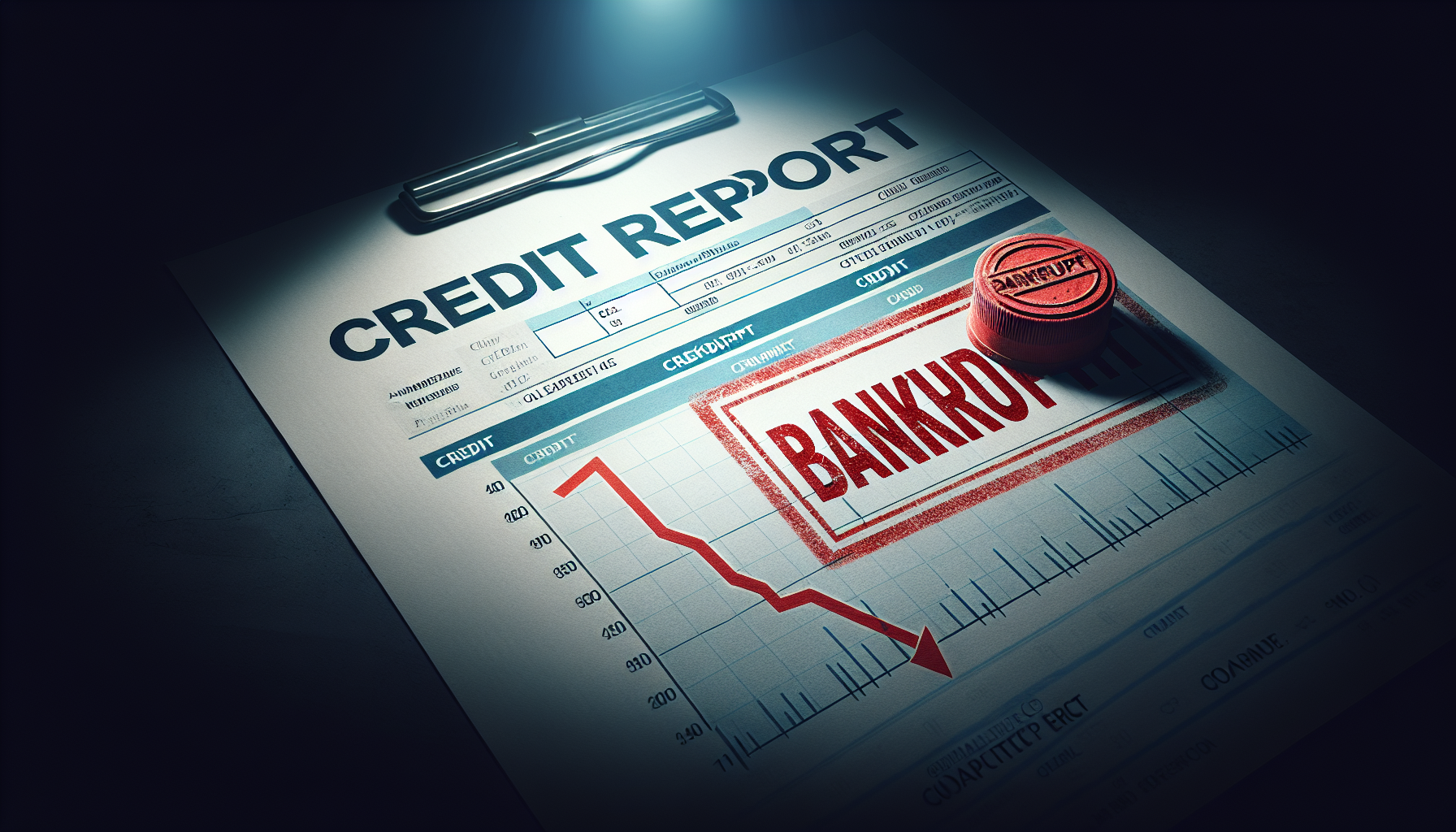
One of the most daunting aspects of filing for Chapter 7 bankruptcy is the effect it has on your credit report. The mark of bankruptcy can linger on your credit history for up to 10 years, making it challenging to rebuild your financial standing. It’s essential to weigh these long-term implications against the immediate relief that bankruptcy can provide, ensuring you’re making the best decision for your financial health.
The Fundamentals of Chapter 7 Bankruptcy
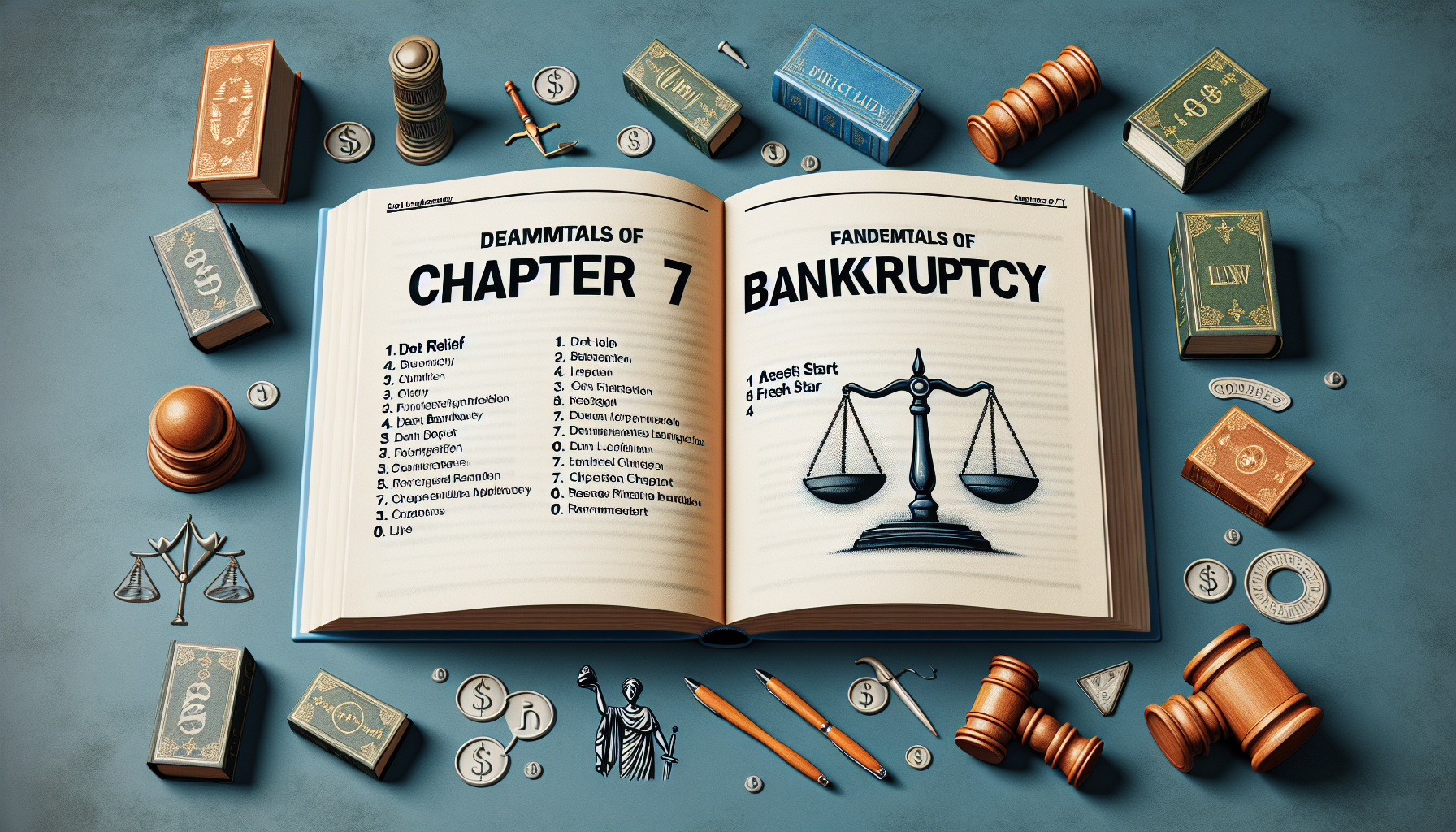
Chapter 7 bankruptcy, often referred to as liquidation bankruptcy, is designed to erase most of your unsecured debts. It’s a powerful tool for those who find themselves unable to keep up with payments and looking for a fresh start.
Understanding Chapter 7 Bankruptcy and Its Purpose
At its core, liquidation bankruptcy aims to give you relief from overwhelming debts while allowing certain assets to be liquidated to pay off creditors. It’s a way to reset your financial situation when other debt relief options have been exhausted.
Filing Chapter 7 Bankruptcy: The Process Simplified
To qualify for Chapter 7 bankruptcy, you’ll need to pass a means test and demonstrate that your income is insufficient to pay off your debts. This type of bankruptcy allows for the liquidation of nonexempt assets, offering a fresh financial start in exchange for losing some of your possessions.
Navigating the Cons of Chapter 7 Bankruptcy
Consulting with an experienced bankruptcy attorney can help illuminate the potential downsides of Chapter 7, ensuring you’re fully informed before proceeding.
The Impact on Your Credit Score
The immediate effect of filing for Chapter 7 bankruptcy is generally a modest drop in your credit score (although many clients have reported that their credit score income actually went up shortly after their filing), which can hinder your ability to secure loans and favorable interest rates in the future.
Rebuilding Credit After You Declare Bankruptcy
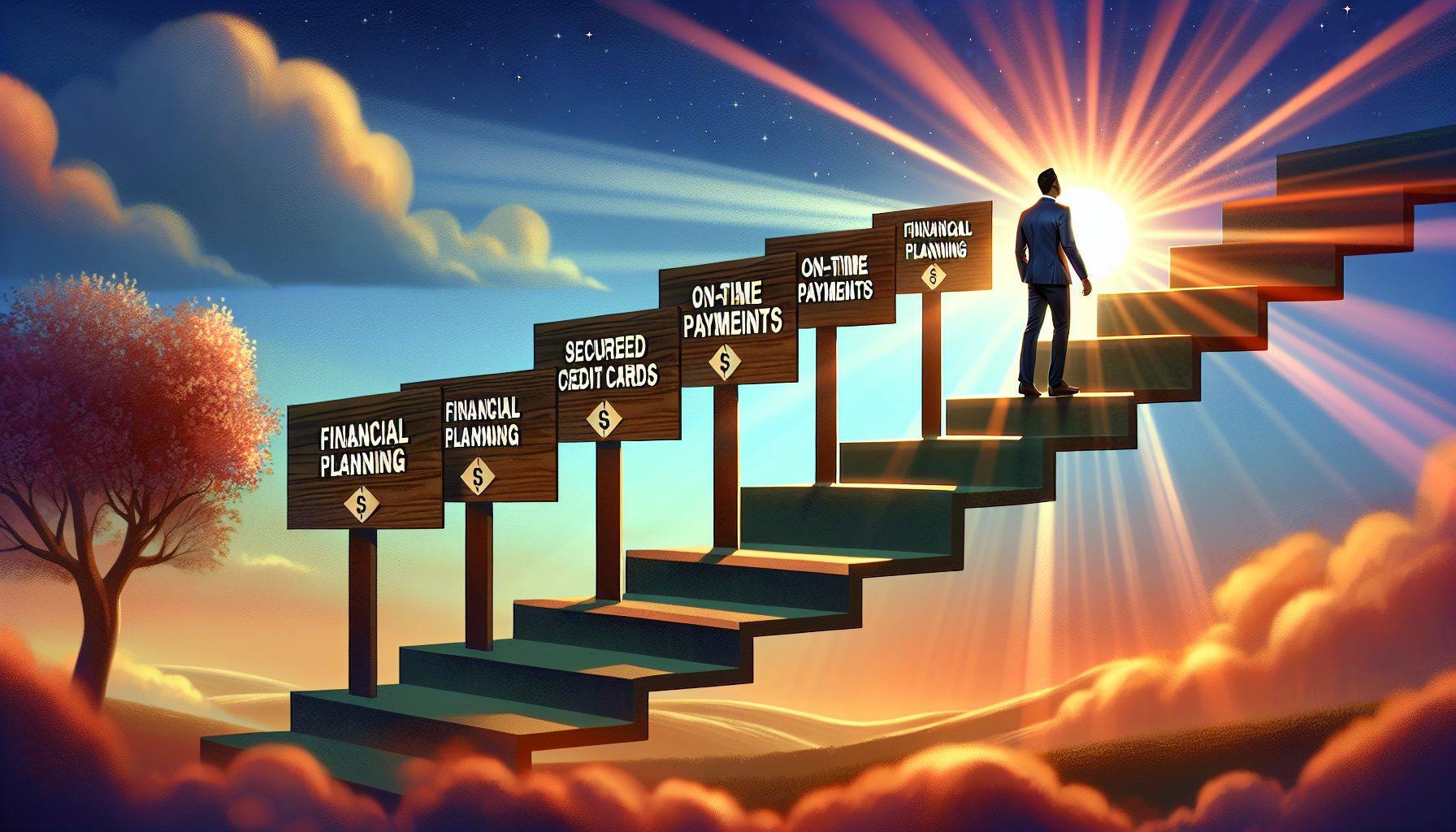
Rebuilding your credit after bankruptcy is a gradual process that requires patience and discipline. Making on-time payments on any remaining or new debts is crucial to gradually improve your credit score over time. This journey can be challenging, but it’s possible to regain financial stability with careful planning and responsible credit management.
Non-Dischargeable Debts: What Chapter 7 Won’t Cover
It’s important to recognize that Chapter 7 bankruptcy does not discharge all types of debt, leaving some financial obligations intact.
Student Loans and Chapter 7 Bankruptcy
Most student loans, due to their protected status, remain unaffected by Chapter 7 bankruptcy discharge. This means you’ll still be responsible for repaying these loans even after other debts have been cleared.
Asset Forfeiture: What You Might Lose
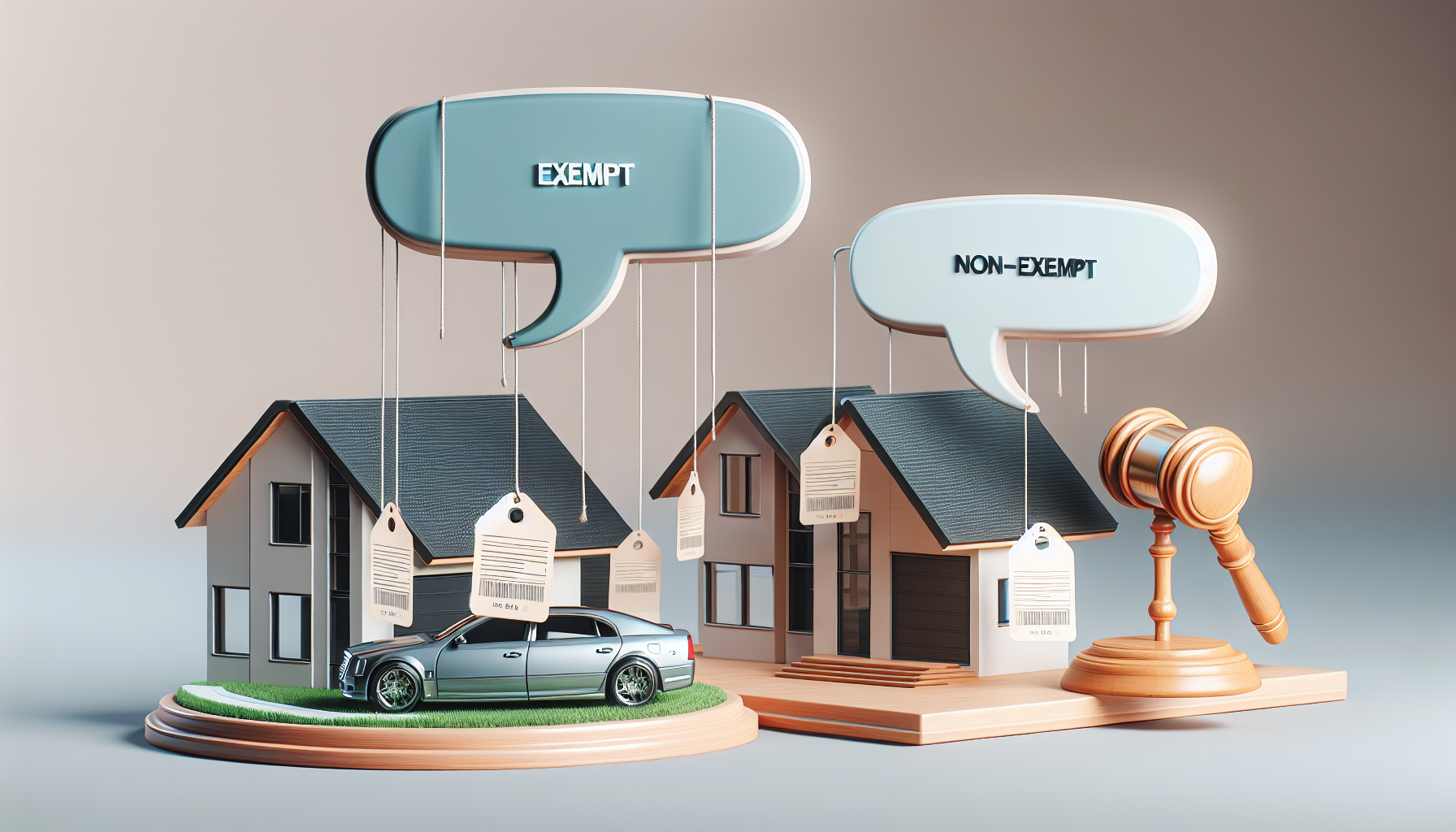
In Chapter 7 bankruptcy, certain non-exempt property may be seized to repay creditors. While bankruptcy exemptions may protect assets like your primary residence, other valuable possessions could be at risk. Consulting with an attorney to schedule a free consultation can help you understand which of your assets might be considered nonexempt property under Chapter 7.
Co-Signer Complications: The Ripple Effect
If your debts include co-signed loans, filing for bankruptcy can have significant implications for your co-signer. Bankruptcy stays do not protect co-signers, potentially leaving them responsible for the entirety of the debt.
The Pros of Chapter 7 Bankruptcy
Despite its drawbacks, Chapter 7 bankruptcy can provide invaluable relief, utilizing bankruptcy exemptions to protect essential assets while erasing substantial debt, as endorsed by the American Bankruptcy Institute.
Debt Relief: A Fresh Start
Chapter 7 bankruptcy can discharge a wide range of debts, including personal loans and medical bills, offering a clean slate. To file Chapter 7 bankruptcy, you must first receive counseling from an approved agency within 180 days before filing. This step ensures that you understand the implications of filing for chapter 7 bankruptcy and are prepared for the fresh start it can provide.
Halting Collections: No More Creditor Harassment
One immediate benefit of filing for Chapter 7 bankruptcy is the cessation of creditor actions, such as wage garnishments, allowing you to focus on rebuilding without constant pressure from creditors.
Credit Opportunities Post-Bankruptcy
While a bankruptcy stays on your credit report for years, it also eliminates debts, potentially making you less risky to new lenders and opening up new credit opportunities to rebuild financial health.
Access to Banking and New Credit Offers
After a chapter 7 bankruptcy, you might think it’s hard to get back into banking or find new credit offers. But there’s good news. Once your bankruptcy process is complete, you’ll actually find opportunities to start fresh. Banks and credit unions often offer “second chance” banking accounts designed for folks just like you, who are working on rebuilding their financial standing. Additionally, secured credit cards become a viable first step to rebuild your credit. These options show that a path forward exists, guiding you toward a healthier financial future.
Chapter 7 vs. Chapter 13 Bankruptcy: Making the Right Choice
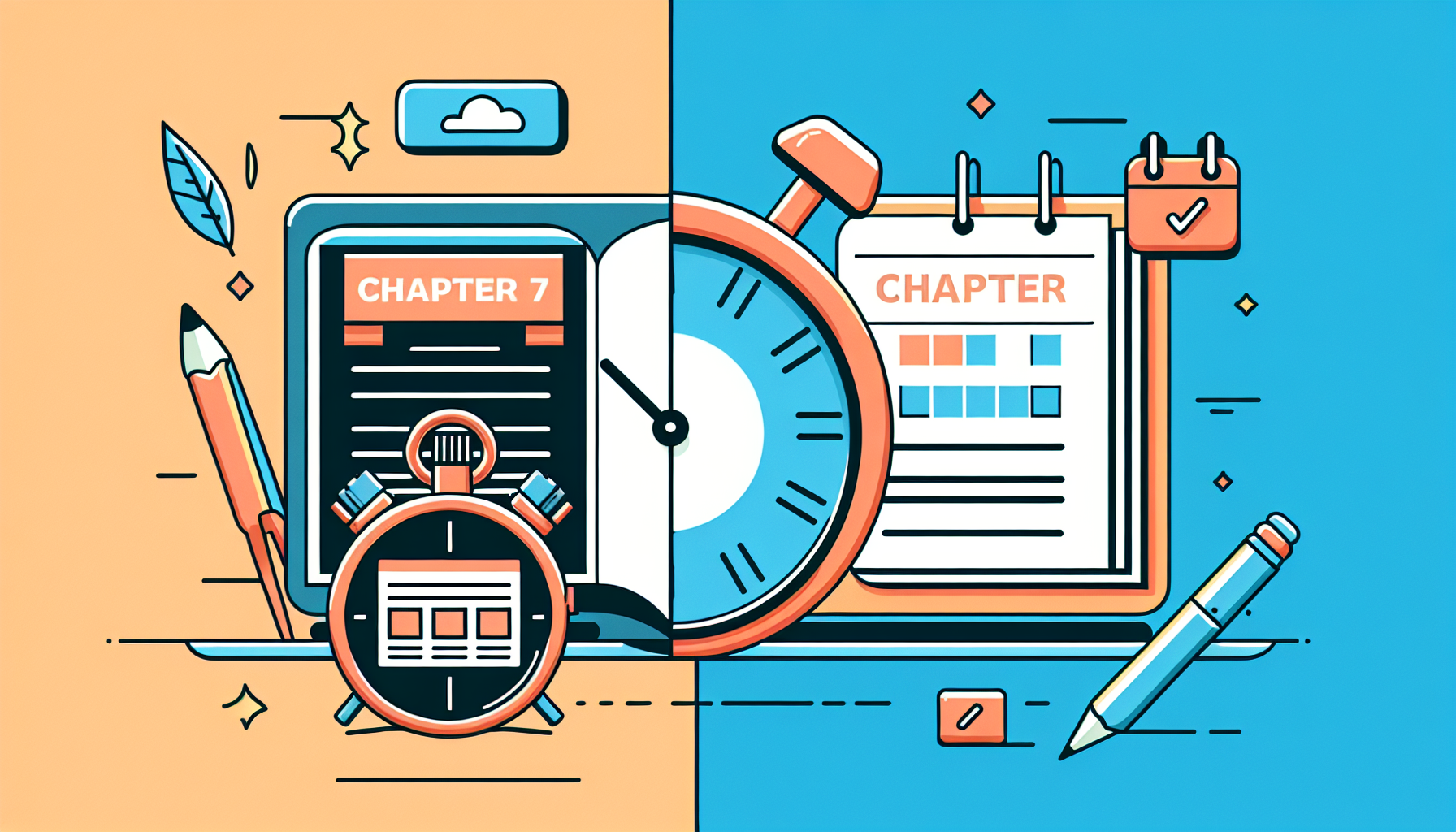
Choosing between filing for chapter 7 or chapter 13 bankruptcy is a big decision. Chapter 7 can wipe the slate clean for many of your debts, like card debt, medical debt, and utility bills, but it may require you to give up some non-exempt assets. If you have disposable income, you might be more eligible for chapter 13, allowing you to keep your assets and repay your creditors through a single monthly payment plan. Both paths have their advantages and disadvantages, factoring in the consequences of bankruptcy, like the impact on your credit. Getting legal advice is key to navigate these waters and decide what’s best for your financial distress.
What Is Chapter 13 Bankruptcy?
Chapter 13 bankruptcy is a plan that lets you repay your creditors, partially or fully, over time. It’s designed for people who have a regular income and can afford to repay some of their debts. Unlike chapter 7, you get to keep all your property, including non-exempt assets. It’s a way to get a clean slate without losing everything you own.
Pros and Cons Comparison
When comparing chapter 7 and chapter 13, each has its strengths and challenges. Chapter 7 is quick, often completed in months, and wipes out many debts entirely, but it might require sacrificing some assets. Chapter 13 takes longer, usually 3 to 5 years, but it allows you to keep your property and manageably pay down debts. Both impact your credit, but they offer a fresh start to rebuild your financial health. Weighing the pros and cons, including how each type of bankruptcy handles specific debts like alimony and child support or student loans, is crucial in making an informed decision that aligns with your financial recovery goals.
Strategic Considerations for Filing
Before deciding to file for Chapter 7 bankruptcy, it’s key to consider how it will impact your life. Think about whether you can handle having a mark on your credit report for up to 10 years, and what assets you might risk losing. It’s also important to review your debts; Chapter 7 can wipe out unsecured debts like personal loans and medical bills but won’t clear student loans or child support. Reflect on these factors carefully to ensure Chapter 7 aligns with your financial recovery goals.
Cost Analysis: The Financial Obligation of Filing Chapter 7
The cost of filing Chapter 7 bankruptcy involves more than just the filing fee. You’ll need to consider the cost of mandatory credit counseling sessions, and if you hire a bankruptcy attorney, their fees. Together, these expenses can add up, making it crucial to budget for them ahead of your decision. However, for many, the financial relief obtained through bankruptcy outweighs these initial costs.
Understanding the Fees and Expenses
Filing for Chapter 7 bankruptcy requires paying a filing fee, along with other potential costs such as credit counseling fees and attorney fees.
Choosing a Bankruptcy Attorney
When facing Chapter 7 cases, selecting the right bankruptcy attorney is vital. An experienced lawyer can guide you efficiently through the bankruptcy process, which becomes a public record, ensuring that your case is handled correctly and increasing the chances of a favorable outcome. The cost of hiring an attorney is an investment in securing your financial future, providing peace of mind during a challenging period.
Life After Bankruptcy: What to Expect

Life after bankruptcy offers a fresh start, freeing you from the burden of overwhelming debt.
Managing Finances Post-Discharge
After your bankruptcy discharge, it’s crucial to adopt responsible financial habits to rebuild your financial health.
The Role of Financial Education
Financial education plays a significant role in navigating life post-bankruptcy. It equips you with the knowledge to make informed financial decisions, helping you to manage your personal finance wisely. Understanding budgeting, saving, and credit use are key to preventing future financial distress and ensuring your financial stability in the long term.
Alternatives to Chapter 7 Bankruptcy
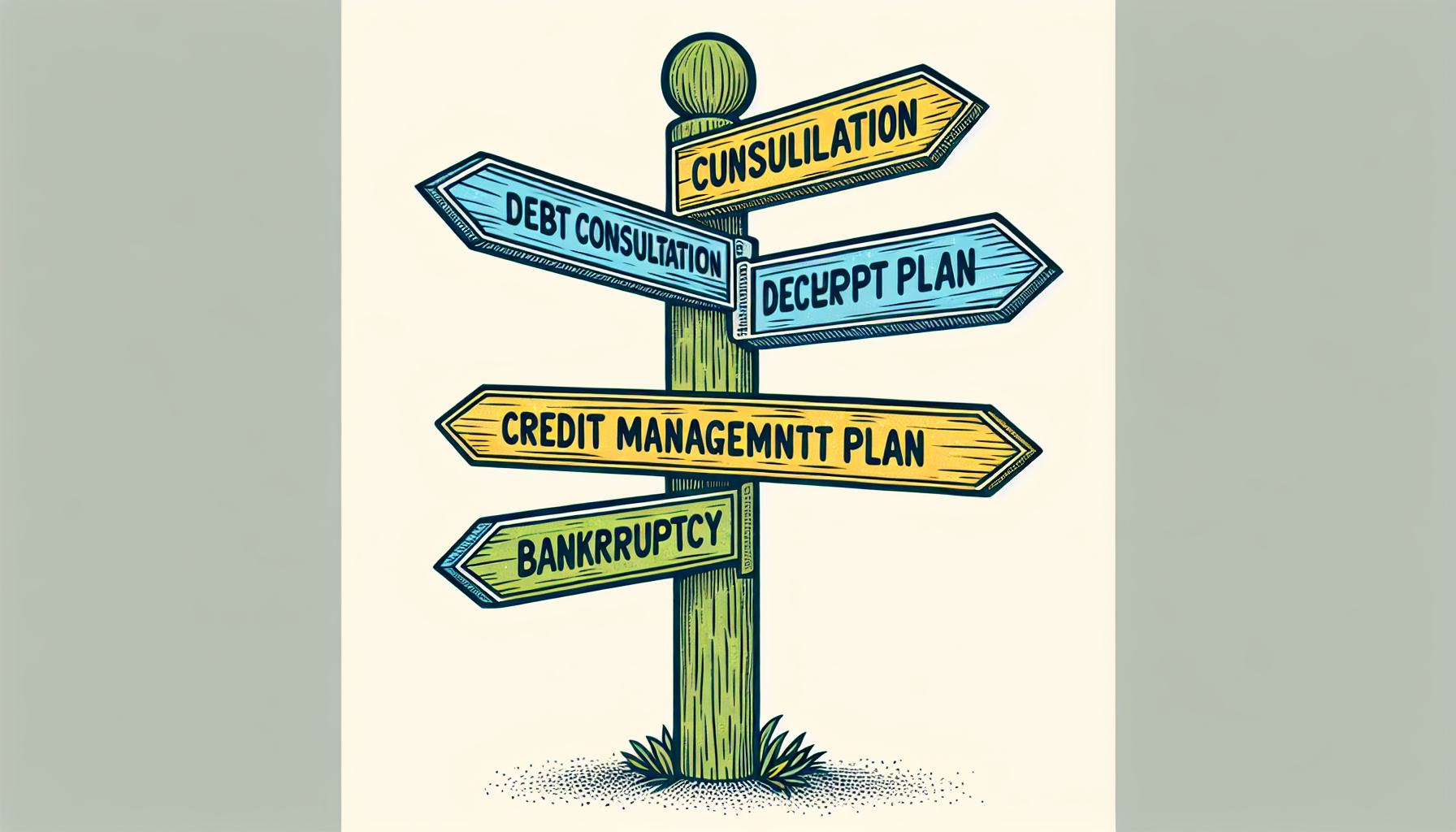
Before deciding on Chapter 7 bankruptcy, exploring alternatives is wise. Debt consolidation loans, debt management plans, and credit counseling can offer paths to debt relief without the significant impact on your credit score that bankruptcy entails. These options can provide a more manageable way to afford to repay your debts over time, potentially avoiding the need for bankruptcy.
Debt Consolidation as a Viable Option
Debt consolidation loans can simplify your financial situation by combining multiple debts into a single loan with a lower interest rate. This can make your debts easier to manage and potentially save you money on interest, making it easier to afford to repay your debts over time. However, it’s important to carefully consider the terms of any consolidation loan to ensure it actually benefits your financial situation.
The Benefits of Debt Management Plans
A debt management plan can provide a structured way to pay off your debts through monthly payments. By working with a counseling agency, you can potentially negotiate lower interest rates and waived fees with your creditors, making your debts more manageable. This plan allows you to focus on making a single monthly payment, which is distributed among your creditors, simplifying your finances and helping you work towards being debt-free.
Credit Counseling Services: A Preliminary Step
Engaging with a credit counseling agency is a crucial preliminary step before deciding on bankruptcy. These agencies can assess your financial situation, help you understand your debt relief options, including a debt management plan, and negotiate with creditors on your behalf. This guidance can be invaluable in making an informed decision about how to proceed with your debt relief efforts.
The Legal and Emotional Support System
Filing for bankruptcy is a significant decision that affects both your financial and emotional well-being. It’s essential to have a solid support system in place, including legal professionals who can navigate the bankruptcy process and provide you with the best debt relief options. Additionally, understanding the court’s role and how it finds solutions for debtors can offer reassurance during this challenging time.
The Importance of Professional Consultation
Seeking professional consultation before filing for bankruptcy is crucial in ensuring debtors a fresh start.
Bankruptcy Menu and Support Services
Exploring various debt relief options with the guidance of a professional can help you make an informed decision on whether filing for bankruptcy is right for you.
Embracing Community and Support Networks
Joining communities, such as the Facebook Group “I’m Thinking About Filing Bankruptcy and I’ve Got Questions,” can offer invaluable support and insight. Speaking with people who have gone through the Chapter 7 bankruptcy process provides real-life perspectives on the pros and cons, helping you to weigh your options more clearly. Remember, you’re not alone, and many resources are available to help you through this journey toward financial recovery.
Frequently Asked Questions About Chapter 7 Bankruptcy Downsides
Evaluating Eligibility: Who Can File for Chapter 7?
Deciding if you can file for Chapter 7 bankruptcy can seem tricky, but it’s all about understanding the basics. Both Chapter 7 and Chapter 13 are types of personal bankruptcy, each with its own rules. For Chapter 7, your monthly income plays a big role. If it’s below the state median, you might be eligible. It’s a good idea to schedule a free consultation with a bankruptcy attorney to look into your specific situation. They can help figure out if Chapter 7 is the right path for you or if another option might work better.
Can I ever get a Mortgage or Loan Post-Bankruptcy?
After filing for bankruptcy, getting a mortgage or loan might feel out of reach, but it’s definitely possible. You’ll need to give it some time and work on improving your financial health. Typically, lenders want to see a period of financial stability and on-time payments after a bankruptcy. This period can vary, but starting to rebuild your credit right away can help speed up the process. Remember, patience and responsible financial habits are your best friends on this journey.
Can I get credit cards and be able to rebuild credit after chapter 7 bankruptcy?
Yes, you can get credit cards after bankruptcy. Making on-time payments on these new credit lines is key to rebuilding your credit.
Final Thoughts: Weighing the Pros and Cons Carefully
Deciding to file for Chapter 7 bankruptcy is a significant step, one that comes with its own set of pros and cons. It’s essential to understand how federal bankruptcy laws can protect you, like preventing car repossession and managing tax debts, while also being mindful of the limitations, such as certain debts that remain after bankruptcy is discharged. Knowledge of bankruptcy basics, including exemption laws that protect certain assets, can provide a clearer picture of life after bankruptcy, guiding you through bankruptcy costs and the rebuilding phase. Remember, the goal is to make an informed decision that best suits your situation.
If you’re grappling with the decision, feeling overwhelmed by debt settlement considerations, facing the threat of car repossession, or worried about how to handle tax debts and personal injury claims, know that help is available. The Law Office of Richard Kistnen is here to provide clarity on your options and support you through the process. Don’t let another day pass by in uncertainty. Contact us at (718) 738-2324 or click here to book your complimentary, no obligation virtual bankruptcy consultation by clicking the link. Let us help you navigate through the frequently asked questions and find your path to financial freedom.